 By DailyYogafactsblog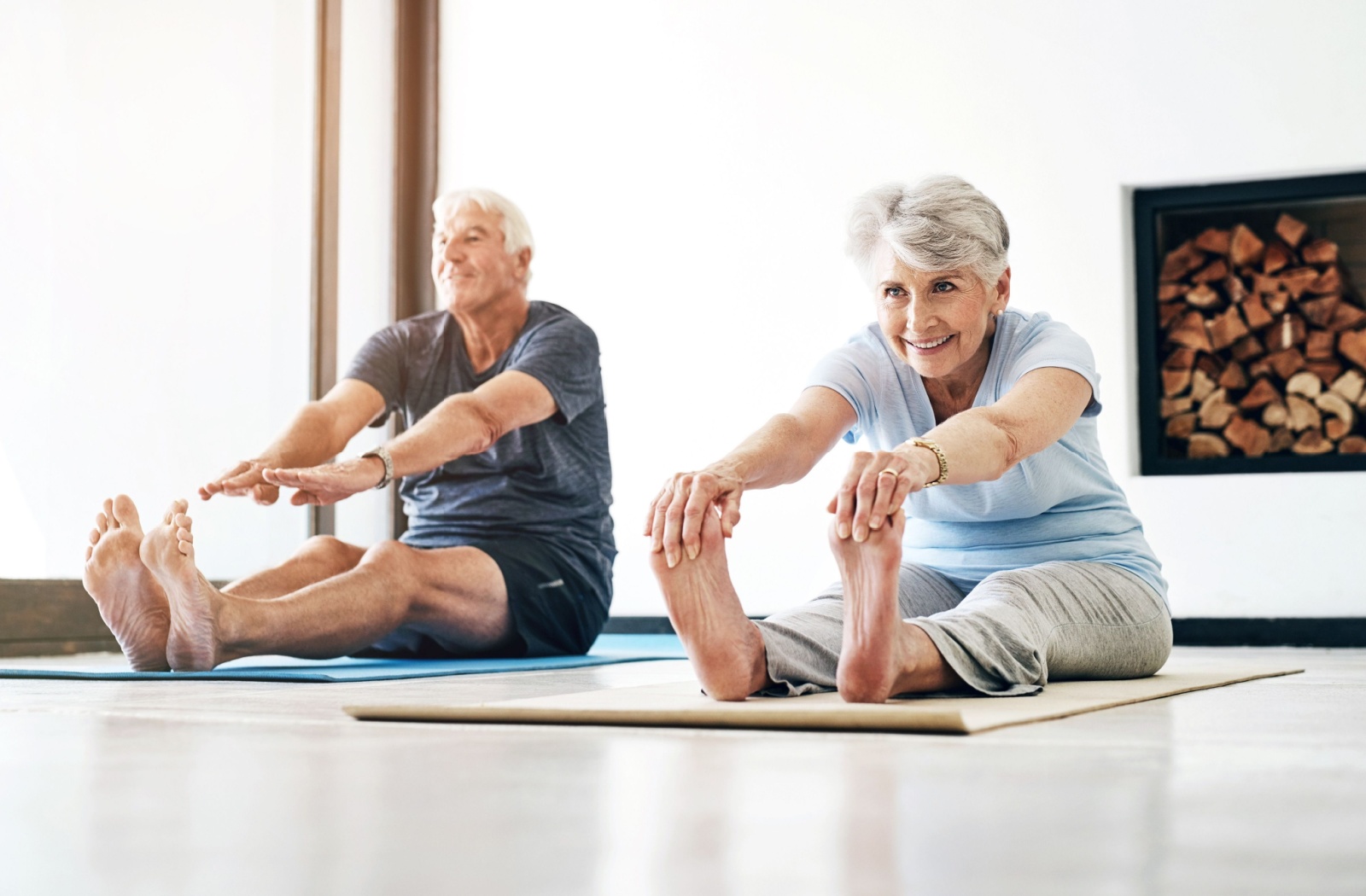
Introduction
Aging is a natural part of life, but how we age is greatly influenced by the choices we make each day. As the body changes over time, maintaining mobility, strength, balance, and mental clarity becomes increasingly important. Yoga offers a gentle yet powerful way for seniors to stay active, independent, and emotionally balanced. Unlike high-impact exercise, yoga can be adapted to suit all ability levels, making it one of the safest and most effective forms of movement for older adults.
Yoga for seniors focuses on slow, mindful movements, controlled breathing, and relaxation techniques that nurture both the body and the mind. Rather than striving for physical perfection, senior yoga emphasizes comfort, awareness, and consistency. With regular practice, yoga can help seniors move with greater ease, reduce discomfort, and cultivate a sense of calm and confidence that supports healthy aging and longevity.
Understanding Yoga for Seniors
Yoga for seniors is specifically designed to meet the physical, mental, and emotional needs of older adults. It differs from more vigorous yoga styles by prioritizing gentle movements, supported poses, and a slower pace. The goal is not to push the body to its limits, but to maintain flexibility, strength, and balance while honoring the body’s natural changes.
Senior yoga often incorporates the use of props such as chairs, blocks, straps, and cushions to provide stability and reduce strain on the joints. Many poses are performed seated or with support, making them accessible even for those with limited mobility, arthritis, or balance concerns. Breathing exercises and relaxation practices are also essential components, helping to improve lung function, reduce stress, and enhance overall well-being.
Importantly, yoga for seniors is adaptable. Whether someone is new to exercise, returning after a long break, or managing a chronic condition, yoga can be modified to suit individual needs. This adaptability makes yoga an inclusive practice that encourages safe movement, self-awareness, and long-term consistency.
Why Gentle Yoga Supports Longevity
Longevity is not just about living longer—it is about living better. Gentle yoga supports longevity by addressing the key aspects of healthy aging: physical mobility, mental clarity, emotional balance, and stress management. As we age, muscles naturally lose strength, joints may become stiff, and balance can decline. Gentle yoga helps counteract these changes by keeping the body moving in a safe, controlled manner.
Regular yoga practice improves circulation, supports joint health, and enhances posture, all of which contribute to greater comfort and independence in daily life. Balance-focused poses help reduce the risk of falls, while gentle strength-building movements support bone health and muscle tone. Over time, these benefits can help seniors remain active and self-reliant.
Beyond physical health, gentle yoga plays a vital role in mental and emotional longevity. Mindful breathing and relaxation practices calm the nervous system, lower stress levels, and promote better sleep. Yoga also encourages present-moment awareness, which can improve mood, reduce anxiety, and foster a positive outlook on aging. Together, these benefits create a holistic approach to longevity that nurtures both body and mind.
Who Can Benefit From Senior Yoga
Senior yoga is suitable for a wide range of individuals, regardless of fitness level or prior yoga experience. It is especially beneficial for older adults who want to stay active without placing excessive strain on their bodies. Beginners who have never practiced yoga before can safely start with gentle poses and gradually build confidence and strength.
Seniors managing chronic conditions such as arthritis, osteoporosis, high blood pressure, or mild back pain may also benefit from yoga when practiced mindfully and with proper modifications. The gentle nature of senior yoga allows individuals to move within their comfort zone while improving flexibility and circulation. Chair yoga and supported poses make the practice accessible for those with limited mobility or balance challenges.
Additionally, yoga can be valuable for seniors seeking mental and emotional support. Those experiencing stress, loneliness, or sleep difficulties may find that yoga’s calming and meditative elements provide a sense of peace and connection. Ultimately, senior yoga is for anyone who wishes to age gracefully, maintain independence, and cultivate a healthier, more balanced lifestyle at any stage of later life.
Benefits of Yoga for Seniors
Yoga offers a wide range of physical, mental, and emotional benefits that support healthy aging. For seniors, yoga is not about intense workouts or complex poses—it is about gentle movement, mindful breathing, and consistent practice. When practiced regularly and safely, yoga can enhance quality of life, promote independence, and help seniors feel more confident and comfortable in their bodies.
Improved Flexibility and Mobility
As we age, muscles naturally shorten and joints may become stiff due to reduced movement. This stiffness can make everyday activities—such as bending, reaching, or walking—more challenging. Yoga gently stretches muscles and connective tissues, helping to maintain and improve flexibility over time.
Through slow, controlled movements, yoga encourages joints to move through their natural range of motion without force or strain. This improved mobility supports smoother, more comfortable movement in daily life. Simple poses such as gentle forward bends, seated stretches, and spinal movements can help reduce tightness in the hips, back, shoulders, and neck.
Improved flexibility also contributes to better posture and alignment, reducing unnecessary strain on muscles and joints. Over time, seniors may notice greater ease in standing up, walking, and performing routine tasks, allowing them to stay active and engaged in their daily lives.
Better Balance and Fall Prevention
Balance naturally declines with age due to changes in muscle strength, coordination, and sensory awareness. Falls are a major concern for seniors and can lead to serious injuries. Yoga helps address this risk by strengthening stabilizing muscles and improving body awareness.
Many yoga poses focus on balance, encouraging seniors to engage their core muscles and maintain steady posture. Even simple standing poses, when practiced with support such as a chair or wall, can significantly enhance balance and coordination. Yoga also improves proprioception—the body’s ability to sense its position in space—which is essential for preventing falls.
In addition to physical balance, yoga promotes mental focus and calmness. This mindfulness helps seniors move more deliberately and confidently, reducing the likelihood of sudden or unstable movements. Over time, improved balance can lead to greater confidence in walking and daily activities.
Joint Health and Pain Relief
Joint discomfort is common among seniors, particularly for those with arthritis or chronic inflammation. Yoga supports joint health by gently lubricating the joints through mindful movement and controlled stretching. Unlike high-impact exercise, yoga places minimal stress on the joints, making it a safe and effective option for pain management.
Slow, rhythmic movements help increase circulation around the joints, delivering essential nutrients while reducing stiffness. Strengthening the muscles that support the joints also helps improve stability and reduce pressure on sensitive areas. Over time, this can lead to reduced discomfort and improved joint function.
Yoga also teaches body awareness, helping seniors recognize their limits and move without aggravating pain. Gentle relaxation and breathing practices can further reduce pain by calming the nervous system and easing muscle tension. For many seniors, yoga becomes a valuable tool for managing chronic pain and improving comfort naturally.
Enhanced Breathing and Lung Capacity
Breathing capacity often decreases with age due to reduced lung elasticity and shallow breathing habits. Yoga places strong emphasis on conscious, controlled breathing, which can help improve lung function and respiratory efficiency.
Gentle breathing exercises encourage deeper, fuller breaths, increasing oxygen intake and improving circulation throughout the body. This enhanced oxygen flow supports energy levels, brain function, and overall vitality. Improved breathing can also benefit seniors with mild respiratory issues by promoting relaxation and better breath control.
Breathing practices in yoga are closely linked to movement, helping seniors develop better coordination and rhythm. Over time, improved breath awareness can lead to greater endurance during daily activities and a stronger sense of calm and control.
Stress Reduction and Emotional Well-Being
Emotional health is just as important as physical health, especially during the later years of life. Seniors may experience stress, anxiety, loneliness, or changes in mood due to life transitions or health concerns. Yoga offers a powerful way to support emotional balance and mental clarity.
Through gentle movement, deep breathing, and relaxation techniques, yoga activates the body’s relaxation response. This helps reduce stress hormones, lower blood pressure, and promote a sense of calm. Meditation and mindfulness practices included in yoga encourage present-moment awareness, which can ease worry and improve emotional resilience.
Yoga also fosters a positive connection between mind and body, helping seniors feel more grounded and confident. Group classes or guided sessions can provide social interaction and a sense of community, further enhancing emotional well-being and reducing feelings of isolation.
Supporting Healthy Aging and Independence
One of the greatest benefits of yoga for seniors is its ability to support independence and quality of life. By improving strength, flexibility, balance, and mental clarity, yoga helps seniors maintain the ability to care for themselves and engage fully in daily activities.
Regular yoga practice encourages consistent movement, which is essential for preventing physical decline. Stronger muscles and better coordination make tasks such as climbing stairs, carrying groceries, or getting up from a chair easier and safer. Improved mental focus and emotional stability also contribute to better decision-making and confidence.
Yoga promotes a holistic approach to aging—one that values self-care, patience, and self-awareness. Rather than fighting the aging process, yoga helps seniors adapt gracefully, stay active, and enjoy life with greater comfort and confidence. Over time, this balanced approach supports not just longevity, but a healthier, more fulfilling life.
Safety Guidelines for Senior Yoga
Safety is the foundation of any successful yoga practice, especially for seniors. As the body ages, joints, muscles, bones, and balance systems require extra care and attention. Yoga should never feel rushed, forced, or painful. When practiced mindfully and with proper preparation, yoga can be one of the safest and most beneficial forms of physical activity for older adults. Following clear safety guidelines ensures that yoga remains a supportive, healing, and enjoyable practice.
Consulting a Healthcare Professional
Before beginning a yoga practice, seniors are encouraged to consult with a healthcare professional, particularly if they have existing medical conditions such as heart disease, osteoporosis, arthritis, high blood pressure, joint replacements, or chronic pain. A doctor or physical therapist can help identify any movements that should be avoided or modified.
This consultation is especially important for individuals who are new to exercise or returning after a long period of inactivity. Medical guidance provides peace of mind and helps seniors practice yoga with confidence, knowing they are moving in ways that support their health rather than compromise it. Once cleared, yoga can be safely adapted to individual needs and limitations.
Listening to the Body and Avoiding Pain
One of the most important principles of senior yoga is learning to listen to the body. Yoga should never cause sharp, sudden, or intense pain. While gentle stretching sensations are normal, pain is a signal to stop or adjust the pose.
Seniors are encouraged to move slowly, stay within a comfortable range of motion, and avoid comparing themselves to others. Each body is unique, and yoga is a personal journey rather than a performance. Resting when needed and skipping poses that feel uncomfortable are signs of wisdom, not weakness.
Over time, consistent and mindful practice helps build body awareness, allowing seniors to recognize their limits and make safe choices that protect joints and muscles.
Importance of Proper Warm-Up
Warming up is essential for preparing the body for movement and preventing injury. Aging muscles and joints benefit greatly from gradual, gentle warm-up exercises that increase blood flow and flexibility.
A proper warm-up helps loosen stiff joints, reduce muscle tension, and improve coordination. It also allows the body to transition smoothly from rest to activity, reducing the risk of strain. Seniors should never jump directly into poses without first warming up the body, even if the practice is short.
Warm-ups should be slow, controlled, and focused on major joints such as the neck, shoulders, spine, hips, knees, and ankles.
Using Props for Support and Stability
Yoga props play a vital role in senior yoga by providing support, balance, and comfort. Props help make poses accessible and reduce strain on the body. Common props include chairs, yoga blocks, straps, bolsters, cushions, and blankets.
A chair can be used for seated poses, balance support, or assistance with standing movements. Blocks and cushions help bring the floor closer, reducing the need to bend deeply. Straps support gentle stretching without forcing flexibility.
Using props is not a sign of limitation—it is a smart way to practice safely and effectively. Props allow seniors to experience the benefits of yoga while maintaining proper alignment and stability.
Breathing Safely During Practice
Breathing is a central component of yoga, but it must be practiced safely and naturally. Seniors should breathe slowly, deeply, and comfortably through the nose whenever possible. Breath should never be held or forced, as this can increase blood pressure and cause dizziness.
Gentle breathing techniques help calm the nervous system, improve oxygen flow, and support relaxation. Coordinating breath with movement—such as inhaling during gentle lifts and exhaling during relaxation—enhances safety and awareness.
If dizziness, shortness of breath, or discomfort occurs, seniors should stop and return to normal breathing. The goal is calm, steady breathing that supports movement and relaxation.
Preparing for a Senior Yoga Practice
Proper preparation creates a safe and enjoyable yoga experience. Setting up the right environment, choosing appropriate clothing, and having supportive props available allows seniors to focus fully on their practice without distraction or discomfort.
Choosing the Right Time and Environment
The best time for yoga is when the body feels most comfortable and alert. Many seniors prefer morning or early afternoon sessions when stiffness is lower and energy levels are higher. However, gentle yoga can also be practiced in the evening for relaxation and stress relief.
The practice environment should be quiet, well-lit, and free from obstacles. A clutter-free space reduces the risk of tripping or falling. The temperature should be comfortable—not too cold or too warm—to allow the body to relax and move freely.
Recommended Yoga Props (Chair, Blocks, Straps)
Props are essential tools for senior yoga and should be easily accessible during practice.
- Chair: Provides support for balance, seated poses, and transitions.
- Yoga Blocks: Reduce the distance to the floor and support proper alignment.
- Yoga Straps: Assist with gentle stretching and improve reach.
- Blankets or Cushions: Offer comfort and joint support during seated or resting poses.
Having these props nearby ensures that poses can be modified quickly and safely as needed.
Suitable Clothing and Footwear
Comfortable clothing allows freedom of movement and supports safety. Seniors should wear loose, breathable clothing that does not restrict circulation or movement. Layers are helpful for adjusting body temperature during practice.
Yoga is typically practiced barefoot to improve balance and foot strength. However, seniors who feel more secure wearing non-slip socks or supportive footwear may do so. The key is stability and comfort.
Creating a Calm and Comfortable Space
A calm environment enhances relaxation and focus. Soft lighting, gentle music, or natural light can create a peaceful atmosphere. Practicing in a familiar and comfortable space helps seniors feel at ease and confident.
Keeping water nearby and allowing plenty of space for movement contributes to a positive experience. A calm space encourages consistency and makes yoga a welcoming part of daily life.
Gentle Warm-Up Exercises
Gentle warm-up exercises prepare the body for yoga by increasing circulation and easing stiffness. These movements should be slow, controlled, and performed with mindful breathing.
Neck and Shoulder Rolls
Neck and shoulder tension is common among seniors. Gentle neck movements help release stiffness and improve range of motion. Slow shoulder rolls increase circulation and ease tension in the upper body.
Movements should be smooth and pain-free, avoiding sudden or forceful motions. These exercises help reduce discomfort and improve posture.
Wrist and Ankle Movements
Wrists and ankles play a key role in balance and mobility. Gentle circles and flexing movements help lubricate the joints and improve flexibility. These exercises are especially helpful for seniors with arthritis or joint stiffness.
Regular wrist and ankle movements support stability and reduce the risk of strain during standing or seated poses.
Seated Spinal Flexibility
The spine benefits greatly from gentle movement. Seated spinal flexion and extension exercises help maintain mobility, improve posture, and reduce stiffness in the back.
Slow, mindful movements encourage healthy spinal alignment and support better breathing. These exercises also prepare the spine for gentle yoga poses.
Gentle Joint Loosening Techniques
Joint loosening exercises involve slow, controlled movements of the shoulders, hips, knees, and elbows. These movements increase circulation, reduce stiffness, and prepare joints for deeper movement.
Gentle joint rotations and extensions help maintain joint health and promote comfort. Practicing these techniques regularly supports long-term mobility and reduces the risk of injury.
Common Challenges and Modifications
As beneficial as yoga is for seniors, it is important to recognize that aging bodies often come with unique challenges. Chronic conditions, joint sensitivity, reduced bone density, and balance concerns may require thoughtful modifications. Yoga is highly adaptable, and with the right approach, nearly everyone can practice safely and comfortably. Understanding common challenges and appropriate modifications allows seniors to enjoy yoga while protecting their health and well-being.
Yoga for Arthritis
Arthritis is one of the most common conditions affecting seniors, often causing joint pain, stiffness, and reduced mobility. While movement may feel uncomfortable at times, gentle and mindful yoga can actually help manage arthritis symptoms by improving circulation, maintaining joint function, and reducing stiffness.
When practicing yoga with arthritis, slow and controlled movements are essential. Poses should be entered and exited gradually, avoiding any sudden or jerky motions. Gentle range-of-motion exercises help lubricate the joints and keep them mobile without increasing inflammation. Seated and supported poses are often more comfortable than weight-bearing positions.
Using props such as chairs, cushions, and blocks can reduce pressure on affected joints. For example, a chair can support the body during standing poses, while cushions can provide comfort during seated postures. Seniors with arthritis should avoid deep bends or extreme joint positions and focus instead on smooth, pain-free movements.
Rest is equally important. Taking breaks when needed and practicing relaxation poses allows the joints to recover and prevents overexertion. Over time, consistent gentle practice may help reduce discomfort, improve flexibility, and support better joint health.
Yoga for Osteoporosis
Osteoporosis involves a reduction in bone density, increasing the risk of fractures. For seniors with this condition, safety is the top priority. Yoga can still be beneficial, but certain movements must be modified or avoided to protect the spine and fragile bones.
Weight-bearing poses performed gently and with proper alignment can help support bone health. Standing poses that build strength in the legs and hips may be helpful when done with support, such as a chair or wall. These poses encourage stability without placing excessive stress on the bones.
However, deep forward bends, strong twists, and rapid transitions should be avoided, as they may increase the risk of spinal compression or fractures. Instead, seniors with osteoporosis should focus on upright postures, gentle back extensions, and slow, controlled movements.
Maintaining good posture is especially important. Yoga can help strengthen the muscles that support the spine, promoting better alignment and reducing strain. Working with a knowledgeable instructor and using props ensures that movements remain safe and supportive.
Managing Balance Issues
Balance challenges are common among seniors and may result from changes in muscle strength, vision, or inner ear function. Yoga offers effective tools to improve balance, but practices must be adapted to prevent falls.
Balance poses should always be practiced with support. Using a chair, wall, or sturdy surface allows seniors to explore balance safely without fear of falling. Even lightly holding onto support can significantly increase confidence and stability.
Balance improvement begins with strengthening the legs and core muscles. Simple standing poses, weight shifts, and seated balance exercises help build these muscles gradually. Yoga also improves body awareness, teaching seniors how to distribute weight evenly and move with greater control.
Mental focus plays a key role in balance. Yoga encourages calm attention and mindful breathing, helping seniors stay present and steady. Over time, this combination of physical strength and mental awareness can greatly reduce fall risk and increase confidence in daily movement.
Modifying Poses for Chronic Conditions
Many seniors live with chronic conditions such as high blood pressure, heart disease, diabetes, or lower back pain. Yoga can still be practiced safely when poses are modified to meet individual needs.
For those with heart conditions or high blood pressure, gentle movements and slow transitions are essential. Inverted poses or breath-holding techniques should be avoided, and emphasis should be placed on smooth breathing and relaxed movement.
Seniors with lower back pain benefit from gentle spinal movements and supportive poses that maintain natural alignment. Using cushions or bolsters can reduce strain on the back and provide comfort during seated or lying poses.
Chronic fatigue or limited energy levels may require shorter sessions and frequent rest. Chair yoga or restorative poses allow seniors to stay active without exhaustion. Listening to the body and adjusting intensity from day to day ensures long-term safety and sustainability.
Above all, modifications should be personalized. Yoga is not a one-size-fits-all practice, and seniors are encouraged to adapt poses, skip movements, or rest as needed. With thoughtful modifications, yoga becomes a supportive tool that enhances health, comfort, and quality of life despite chronic conditions.
Frequently Asked Questions (FAQs)
Is Yoga Safe for Seniors?
Yes, yoga is generally safe for seniors when practiced mindfully and with appropriate modifications. Senior yoga focuses on gentle movements, controlled breathing, and supportive poses that respect the body’s natural limitations. Using props such as chairs, blocks, and straps further enhances safety and stability.
It is important for seniors to move at their own pace, avoid pain, and rest whenever needed. Consulting a healthcare professional before starting yoga is recommended, especially for individuals with chronic conditions or mobility concerns. When practiced safely, yoga can be one of the most accessible and beneficial forms of physical activity for older adults.
Can Beginners Start Yoga at an Older Age?
Absolutely. Yoga can be started at any age, even with no prior experience. Many people begin yoga later in life and experience significant improvements in mobility, balance, and overall well-being. Senior yoga classes are specifically designed for beginners, emphasizing slow movements and simple poses.
The beauty of yoga lies in its adaptability. Poses can be modified or performed seated, allowing seniors to participate comfortably regardless of fitness level. With patience and consistency, beginners often find that yoga becomes an enjoyable and sustainable way to stay active.
How Long Should Each Session Be?
The ideal length of a yoga session for seniors depends on individual energy levels, health, and experience. Short sessions of 15 to 30 minutes can be highly effective, especially for beginners or those with limited stamina. As comfort and confidence increase, sessions may gradually extend to 45 minutes or more.
Consistency is more important than duration. Practicing gentle yoga a few times a week—or even daily for short periods—can provide meaningful benefits without causing fatigue. Seniors should always listen to their bodies and stop when they feel tired.
Can Yoga Help With Pain and Stiffness?
Yes, gentle yoga can be very effective in reducing pain and stiffness, particularly in the joints, back, and muscles. Slow stretching and mindful movement help increase circulation, lubricate joints, and release muscle tension. Over time, this can lead to improved comfort and mobility.
Yoga also promotes relaxation and stress reduction, which can ease pain by calming the nervous system. While yoga is not a replacement for medical treatment, many seniors find it to be a valuable complementary practice for managing chronic discomfort naturally.
Conclusion
Long-Term Benefits of Gentle Yoga
Gentle yoga offers long-term benefits that extend far beyond physical flexibility. With regular practice, seniors can maintain strength, balance, and coordination while supporting joint health and circulation. Yoga also enhances breathing, improves posture, and encourages better body awareness.
Equally important are the mental and emotional benefits. Yoga helps reduce stress, improve sleep, and promote a positive outlook on aging. Over time, these combined benefits contribute to greater independence, confidence, and overall quality of life.
Encouragement for Lifelong Movement
Movement is essential at every stage of life, and it becomes even more important as we age. Yoga encourages seniors to keep moving in a safe, gentle, and enjoyable way. It is not about perfection or pushing limits, but about showing up consistently and honoring the body’s needs.
Even small, regular efforts can make a meaningful difference. Whether practiced for a few minutes a day or through guided classes, yoga supports a lifestyle of mindful movement that can be sustained for years to come.
Embracing Yoga for Healthy and Active Aging
Yoga offers a compassionate approach to aging—one that values self-care, awareness, and balance. By embracing yoga, seniors can cultivate strength, flexibility, and inner calm while adapting gracefully to the changes that come with age.
Healthy aging is not just about adding years to life, but adding life to years. Gentle yoga provides the tools to move with ease, breathe deeply, and live fully. With patience and consistency, yoga can become a lifelong companion on the journey toward healthy, active, and fulfilling aging.