 By DailyYogafactsblog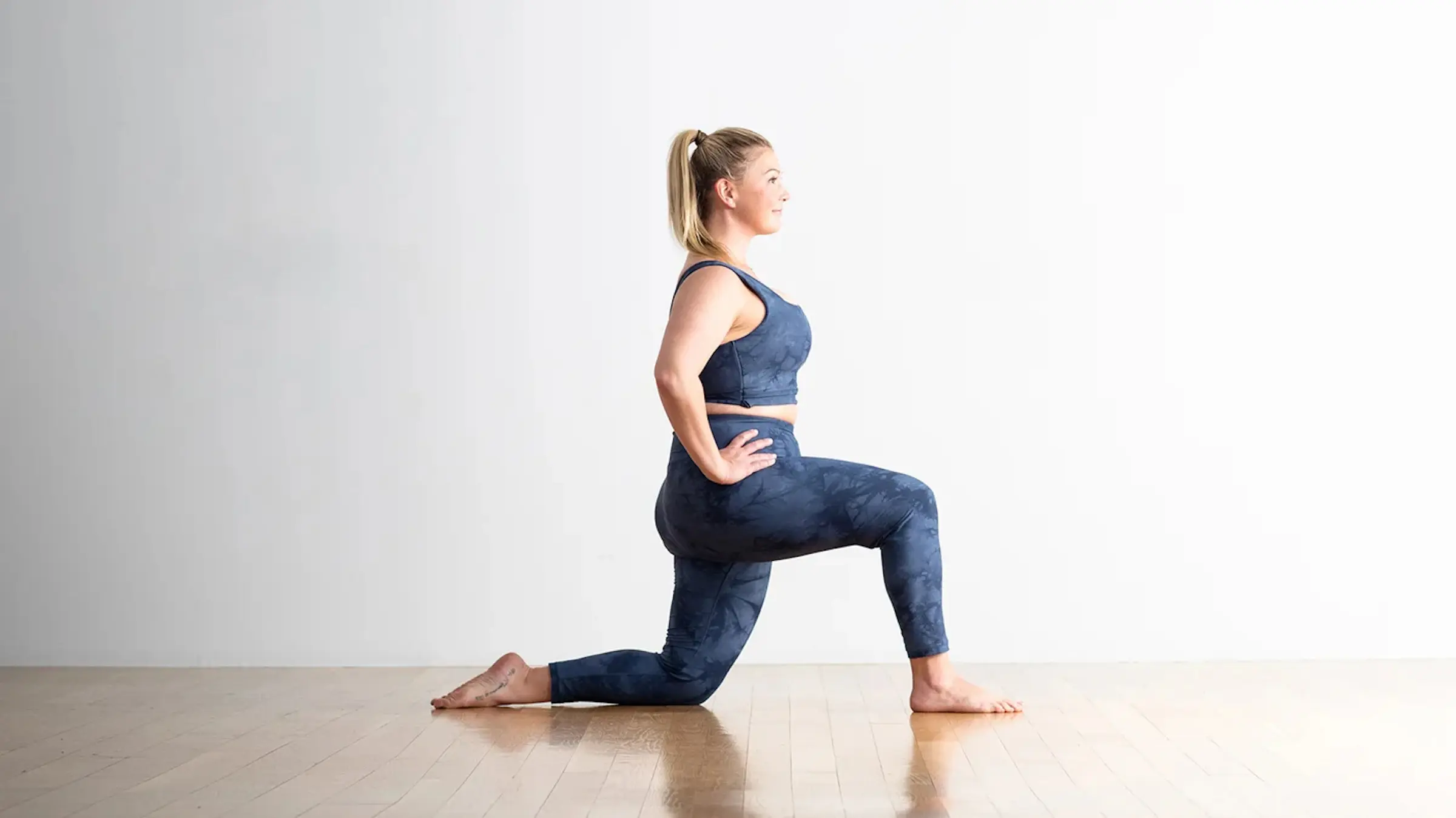
Introduction
Running is one of the most popular and accessible forms of exercise worldwide. It improves cardiovascular health, builds mental resilience, and helps maintain a healthy body weight. However, running is also a high-impact, repetitive activity. Over time, the constant forward motion and repeated stress on the same muscle groups can lead to tightness, muscle imbalances, poor posture, and overuse injuries.
Yoga offers a powerful complementary practice for runners. While running primarily strengthens and shortens certain muscles, yoga works to lengthen tight areas, strengthen stabilizing muscles, improve balance, and restore natural movement patterns. Beyond physical benefits, yoga also trains the breath and mind—two often overlooked components of running performance.
When combined intelligently, yoga and running create a balanced approach to fitness that supports long-term performance, injury prevention, and overall well-being.
Why Runners Need Yoga
Most runners focus heavily on mileage, speed, and endurance while spending minimal time on flexibility, mobility, and recovery. This imbalance can eventually limit performance and increase injury risk. Yoga addresses the areas that running alone does not.
Running is predominantly a linear, forward-moving activity. Yoga, on the other hand, moves the body in multiple directions, promoting joint health and muscular balance. Yoga also emphasizes body awareness, helping runners recognize poor movement habits before they turn into injuries.
Additionally, yoga trains controlled breathing and mental focus, which are essential for maintaining pace, managing fatigue, and staying calm under physical stress. For runners at any level—beginner, recreational, or competitive—yoga provides tools to run more efficiently and sustainably.
Common Running-Related Tightness and Injuries
Because running uses the same muscles repeatedly, certain areas tend to become overworked and tight.
Common Areas of Tightness
- Hip flexors – Tight hip flexors shorten stride length and contribute to lower back pain
- Hamstrings – Limited flexibility can strain the knees and lower back
- Calves and Achilles tendon – Excess tension increases the risk of strains and tendon injuries
- Glutes – Weak or tight glutes can affect pelvic stability
- Lower back – Often tight due to poor posture and lack of core engagement
Common Running Injuries
- Runner’s knee (patellofemoral pain syndrome)
- Shin splints
- Plantar fasciitis
- IT band syndrome
- Achilles tendinitis
- Lower back and hip pain
Yoga helps by stretching tight muscles, strengthening weak ones, and improving joint alignment, reducing both the frequency and severity of these issues.
Benefits of Yoga for Runners
Improved Flexibility and Mobility
Flexibility allows muscles to move through their full range of motion, while mobility ensures joints move efficiently and safely. Yoga improves both by combining gentle stretching, active engagement, and controlled breathing.
For runners, improved flexibility:
- Increases stride efficiency
- Reduces muscle stiffness after runs
- Improves joint health in hips, knees, and ankles
- Allows smoother, more fluid movement
Better mobility also helps runners adapt to uneven terrain, sudden changes in pace, and long-distance fatigue.
Injury Prevention and Recovery
One of yoga’s greatest benefits for runners is its role in injury prevention. Yoga strengthens stabilizing muscles that are often neglected in running, such as the hips, core, and smaller supporting muscles around the joints.
Yoga aids recovery by:
- Increasing blood circulation to tired muscles
- Reducing muscle soreness and inflammation
- Releasing fascial tension
- Calming the nervous system after intense training
Gentle post-run yoga sessions can significantly speed up recovery, allowing runners to train consistently without burnout.
Better Running Posture and Alignment
Poor posture while running can waste energy and place unnecessary stress on the joints. Many runners develop rounded shoulders, a tight chest, and an overarched or collapsed lower back.
Yoga improves posture by:
- Strengthening the core and back muscles
- Opening the chest and shoulders
- Improving pelvic alignment
- Teaching awareness of body positioning
When posture improves, runners experience:
- Less fatigue
- Improved breathing capacity
- Reduced risk of back and knee pain
- More efficient energy use
Enhanced Breathing and Endurance
Breathing is central to both yoga and running. Yoga teaches diaphragmatic breathing, encouraging deeper, more efficient oxygen intake.
For runners, this leads to:
- Improved oxygen delivery to muscles
- Better pacing and endurance
- Reduced side stitches
- Improved mental focus during long runs
Breathing techniques learned in yoga help runners stay calm under physical stress, manage race anxiety, and maintain rhythm during challenging segments.
Overall Mind-Body Balance
Beyond physical benefits, yoga supports mental resilience. Running can be physically demanding and mentally exhausting. Yoga promotes:
- Mental clarity
- Stress reduction
- Improved concentration
- Greater enjoyment of training
This mind-body connection helps runners stay motivated, focused, and consistent over the long term.
Key Muscle Groups Runners Must Stretch
Running places repetitive stress on specific muscle groups. If these muscles remain tight or imbalanced, they can restrict movement, reduce efficiency, and increase injury risk. Targeted stretching through yoga helps maintain muscle elasticity, joint health, and proper alignment.
Hips and Hip Flexors
The hip flexors—primarily the iliopsoas and rectus femoris—play a crucial role in lifting the leg forward with each stride. Because running involves constant hip flexion, these muscles tend to become short and tight, especially in runners who also sit for long periods during the day.
Tight hip flexors can:
- Limit stride length
- Tilt the pelvis forward
- Cause lower back discomfort
- Contribute to knee and hip injuries
Yoga stretches for the hips help restore natural range of motion, improve pelvic alignment, and allow the glutes to function more effectively. Opening the hips also reduces pressure on the lower spine, making running feel smoother and less strained.
Hamstrings
The hamstrings assist with knee flexion and hip extension during running. When tight, they can restrict leg movement and place excessive stress on the knees and lower back.
Tight hamstrings may lead to:
- Reduced running efficiency
- Increased risk of muscle strains
- Lower back pain
- Poor posture while running
Yoga-based hamstring stretches focus on gradual lengthening, rather than forceful stretching. This approach improves flexibility without compromising muscle strength, allowing runners to maintain stability while increasing stride comfort.
Quadriceps
The quadriceps are heavily engaged in propulsion and shock absorption, especially during downhill running or speed work. Overworked quadriceps often become tight, pulling on the knees and affecting overall leg alignment.
Tight quadriceps can:
- Increase pressure on the knee joint
- Reduce hip mobility
- Contribute to runner’s knee
Stretching the quadriceps through yoga helps balance the front and back of the legs. This balance improves knee tracking, reduces joint stress, and enhances overall leg coordination during running.
Calves and Ankles
The calves and ankles are responsible for push-off power, balance, and shock absorption. Every step in running places significant demand on these structures, especially in forefoot or midfoot strikers.
Restricted calves and ankles can result in:
- Achilles tendon pain
- Plantar fasciitis
- Reduced ankle mobility
- Increased risk of strains
Yoga stretches for this area improve ankle flexibility and calf elasticity, allowing for smoother transitions from heel to toe. Healthy ankle mobility also supports better balance and adaptability on uneven surfaces.
Glutes and Lower Back
The glutes are the powerhouse muscles of running. When they are weak or tight, the lower back often compensates, leading to discomfort and inefficient movement patterns.
Problems associated with tight or inactive glutes include:
- Lower back pain
- Hip instability
- Knee misalignment
- Reduced running power
Yoga helps activate and stretch the glutes while gently releasing the lower back. This combination improves pelvic stability, protects the spine, and allows runners to generate power without unnecessary strain.
Warm-Up Yoga Stretches Before Running
A proper warm-up prepares the body for movement by increasing blood flow, activating key muscles, and improving joint mobility. Yoga-based warm-ups are particularly effective because they combine movement, breath, and awareness.
Dynamic vs. Static Stretching
Understanding the difference between dynamic and static stretching is essential for runners.
Dynamic Stretching involves controlled movement through a range of motion. It is ideal before running because it:
- Warms up muscles
- Improves joint lubrication
- Activates stabilizing muscles
- Prepares the nervous system for activity
Examples include gentle lunges, leg swings, and flowing yoga sequences.
Static Stretching involves holding a stretch for an extended period. While beneficial for flexibility, it is best reserved for post-run or recovery sessions, as long holds before running may temporarily reduce muscle power.
A yoga warm-up should focus primarily on dynamic movements, keeping the body active and responsive.
Gentle Mobility Poses
Mobility poses emphasize smooth, controlled movement rather than deep stretching. These poses help runners feel loose, balanced, and ready to move.
Gentle yoga poses before running:
- Increase hip and ankle mobility
- Activate the core and glutes
- Improve balance and coordination
- Reduce stiffness without causing fatigue
Short sequences lasting 5–10 minutes can significantly improve running comfort and reduce the risk of early-run tightness.
Breath Awareness and Activation
Breath is often overlooked in warm-ups, yet it plays a vital role in performance. Yoga teaches runners how to coordinate breath with movement, preparing both the body and mind.
Benefits of breath-focused warm-ups include:
- Increased oxygen delivery to muscles
- Improved focus and mental readiness
- Reduced pre-run anxiety
- Better rhythm and pacing
Slow, deep breathing activates the parasympathetic nervous system, helping runners begin their run calm, centered, and energized rather than tense or rushed.
Short Yoga Routines for Runners
Runners often avoid yoga because they believe it requires long sessions. In reality, short, targeted yoga routines can be extremely effective when practiced consistently. These routines support warm-up, recovery, and active rest, fitting easily into even the busiest training schedules.
10-Minute Pre-Run Flow
A pre-run yoga flow should be dynamic, energizing, and mobility-focused. The goal is not deep stretching but preparing the body for impact and repetitive movement.
Key benefits of a pre-run flow:
- Increases blood flow to major muscle groups
- Improves joint mobility in hips, knees, and ankles
- Activates glutes and core
- Enhances coordination and balance
A typical pre-run flow includes:
- Gentle spinal movements to wake up the nervous system
- Dynamic lunges to open hips
- Light hamstring and calf activation
- Standing poses to improve balance and posture
This short routine helps runners start their run feeling loose, stable, and mentally focused.
15-Minute Post-Run Recovery Sequence
Post-run yoga focuses on cooling down, lengthening muscles, and calming the nervous system. After running, muscles are warm and more receptive to gentle stretching.
Benefits of post-run yoga:
- Reduces muscle soreness and stiffness
- Improves circulation and waste removal
- Promotes faster recovery
- Lowers stress hormones
A recovery sequence typically emphasizes:
- Hip flexor and quadriceps release
- Hamstring and calf stretching
- Glute and lower back relaxation
- Slow, deep breathing
Holding poses longer after running allows muscles to release safely and deeply, supporting long-term flexibility and injury prevention.
Rest-Day Mobility Routine
Rest days are essential for adaptation and injury prevention. A rest-day yoga routine should focus on gentle mobility, joint health, and relaxation rather than intensity.
Rest-day yoga helps by:
- Maintaining flexibility without fatigue
- Releasing lingering tension
- Improving joint lubrication
- Supporting mental recovery
This type of routine often includes slow, mindful movements, supported stretches, and restorative poses that leave runners feeling refreshed rather than tired.
Tips for Combining Yoga and Running
Successfully combining yoga and running requires balance. The two practices should complement each other rather than compete for recovery resources.
Weekly Practice Schedule
A balanced weekly routine might include:
- 3–5 running sessions
- 2–4 short yoga sessions
- At least 1 full rest or active recovery day
Yoga sessions can be:
- Short flows on running days
- Longer recovery sessions after intense runs
- Gentle mobility sessions on rest days
Consistency matters more than duration. Even 10–15 minutes of yoga can make a noticeable difference.
How Often Runners Should Stretch
Stretching frequency depends on training intensity and individual needs.
General guidelines:
- Light mobility work daily
- Dynamic stretching before runs
- Deeper static stretching after runs or on rest days
- Extra attention to tight areas after long or intense runs
Regular stretching maintains muscle elasticity and prevents stiffness from accumulating over time.
Listening to Your Body
One of yoga’s greatest lessons is body awareness. Runners often push through discomfort, but yoga encourages tuning into subtle signals.
Listening to your body means:
- Modifying poses when needed
- Respecting fatigue and soreness
- Avoiding comparison with others
- Allowing recovery when necessary
This awareness helps runners avoid overtraining and stay consistent in the long run.
Common Mistakes Runners Make with Stretching
Even well-intentioned runners can make mistakes when stretching. Yoga helps correct these habits, but awareness is essential.
Overstretching Tight Muscles
Tight muscles often feel like they need aggressive stretching, but overstretching can cause micro-injuries and instability.
Common mistakes include:
- Forcing flexibility
- Ignoring muscle engagement
- Stretching cold muscles
Yoga emphasizes controlled, active stretching, balancing strength and flexibility for safer results.
Ignoring Pain Signals
Stretching should never be painful. Pain is a warning sign, not a challenge to overcome.
Ignoring pain can lead to:
- Muscle strains
- Joint irritation
- Chronic injuries
Yoga teaches the difference between productive sensation and harmful pain, helping runners stay injury-free.
Poor Alignment in Poses
Incorrect alignment can place stress on joints and reduce the effectiveness of a stretch.
Common alignment issues:
- Collapsing knees or arches
- Overarching the lower back
- Rounded shoulders
Practicing proper alignment improves posture, balance, and movement efficiency—both on and off the mat.
Who Should Practice Yoga for Running
Yoga is beneficial for runners at every level, regardless of age or experience.
Beginners
New runners often experience muscle soreness and stiffness as their bodies adapt.
Yoga helps beginners:
- Build flexibility safely
- Improve coordination
- Learn body awareness
- Reduce early injury risk
Gentle yoga sessions support a smooth transition into regular running.
Long-Distance Runners
Endurance runners face repetitive stress over long periods.
Yoga benefits long-distance runners by:
- Preventing overuse injuries
- Supporting mental resilience
- Improving recovery between long runs
- Maintaining mobility during high-mileage phases
Competitive and Trail Runners
Competitive and trail runners require strength, balance, and adaptability.
Yoga helps by:
- Enhancing balance on uneven terrain
- Improving agility and stability
- Supporting faster recovery during intense training cycles
- Improving focus and mental control during races
Conclusion
Yoga is one of the most effective tools runners can use to support long-term performance and health. By incorporating short, purposeful yoga routines into training, runners can improve flexibility, mobility, posture, breathing, and mental resilience.
Long-Term Benefits of Yoga for Runners
With consistent practice, runners can expect:
- Fewer injuries
- Faster recovery
- Improved running efficiency
- Better posture and breathing
- Greater enjoyment of running
Making Yoga a Consistent Part of Training
The key to success is simplicity and consistency. Yoga does not need to be long or complicated. Short, focused sessions practiced regularly can transform how runners feel and perform.
When yoga becomes a natural part of training—not an afterthought—runners move with greater ease, confidence, and longevity, making running a sustainable practice for life.