 By DailyYogafactsblog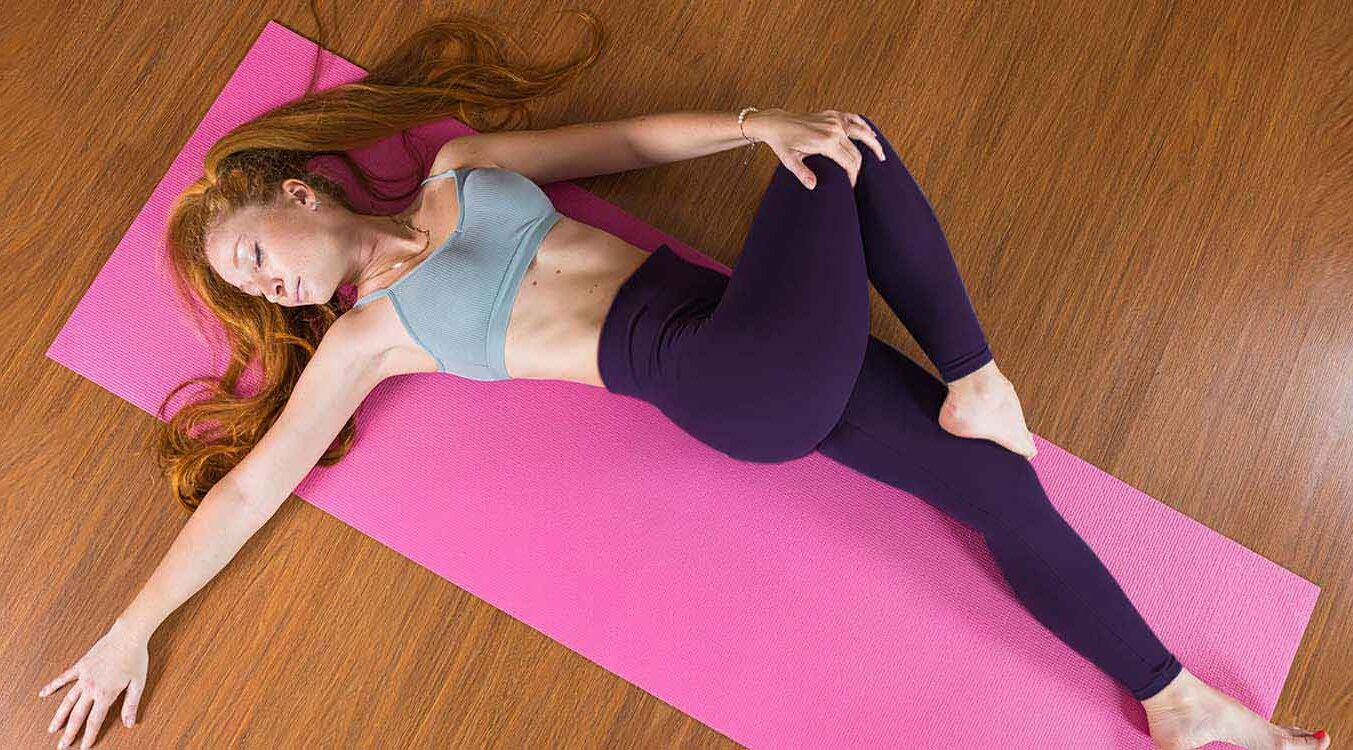
Introduction
Quality sleep is not a luxury—it is a biological necessity. In today’s fast-paced, screen-filled world, many people struggle to fall asleep, stay asleep, or wake feeling truly refreshed. Chronic sleep deprivation affects not only energy levels but also mental clarity, emotional balance, immunity, and long-term health. While medications and supplements are often used as quick fixes, gentle, mindful practices like yoga offer a natural and sustainable way to prepare the body and mind for rest. Practicing the right yoga poses before bedtime can calm the nervous system, release physical tension, and create the ideal conditions for deep, restorative sleep.
Why Sleep Matters for Overall Health
Sleep is the foundation of physical, mental, and emotional well-being. During sleep, the body performs essential repair and maintenance processes that cannot occur while we are awake.
Physically, sleep supports immune function, hormone regulation, muscle recovery, and cardiovascular health. Growth hormone is released during deep sleep, helping repair tissues and maintain healthy metabolism. Inadequate sleep has been linked to increased risk of heart disease, diabetes, obesity, and weakened immunity.
Mentally, sleep plays a critical role in memory consolidation, learning, focus, and decision-making. A lack of quality sleep can impair concentration, reduce productivity, and negatively affect problem-solving abilities. Over time, chronic sleep deprivation increases the risk of anxiety, depression, and cognitive decline.
Emotionally, sleep helps regulate mood and stress responses. When sleep is insufficient, the brain’s emotional centers become more reactive, making it harder to cope with everyday challenges. Prioritizing sleep is therefore essential not just for feeling rested, but for maintaining balance, resilience, and overall quality of life.
How Yoga Supports Deep, Restful Sleep
Yoga supports better sleep by addressing both the physical and mental causes of sleep disturbance. One of its most powerful effects is on the nervous system. Gentle yoga postures, slow movements, and mindful breathing activate the parasympathetic nervous system—the body’s “rest and digest” mode—helping shift the body out of stress and into relaxation.
Physically, yoga helps release tension stored in common problem areas such as the neck, shoulders, lower back, and hips. This physical ease reduces discomfort that often interferes with falling asleep or staying asleep. Restorative and supine poses also improve circulation and reduce restlessness in the body.
Mentally, yoga encourages present-moment awareness, which calms racing thoughts and quiets mental chatter. By focusing on breath and sensation, the mind gradually detaches from worries, overstimulation, and screen-induced alertness. Over time, a consistent bedtime yoga practice trains the body to associate these movements with rest, making it easier to fall asleep naturally.
Unlike vigorous daytime yoga, nighttime yoga is slow, gentle, and nurturing—designed not to energize, but to soothe. When practiced regularly, it becomes a powerful, drug-free tool for improving sleep quality and creating a healthier relationship with rest.
The Science Behind Yoga and Sleep
Sleep is regulated by a delicate balance between the nervous system, hormones, and brain activity. When this balance is disrupted by chronic stress, overstimulation, or irregular routines, the body remains in a heightened state of alertness that makes restful sleep difficult. Yoga helps restore this balance by influencing the nervous system, calming the mind, and preparing the body for the natural sleep cycle. Scientific research increasingly shows that gentle yoga and mindful breathing before bed can improve sleep quality, reduce sleep latency (the time it takes to fall asleep), and enhance overall relaxation.
Nervous System Relaxation and Parasympathetic Response
The autonomic nervous system has two main branches: the sympathetic nervous system, responsible for the “fight or flight” response, and the parasympathetic nervous system, which governs “rest and digest” functions. Many people spend most of their day in sympathetic mode due to work pressure, screen exposure, and constant mental stimulation. Going to bed in this state makes it difficult for the body to fully relax.
Yoga, especially slow and gentle practices, stimulates the parasympathetic nervous system. Forward folds, supported poses, and supine postures signal safety to the body, encouraging a physiological shift toward relaxation. Deep, controlled breathing used in yoga further enhances this effect by slowing the heart rate and lowering blood pressure. As the parasympathetic response increases, muscle tension softens, digestion improves, and the mind becomes quieter—creating ideal conditions for sleep.
This shift is not just psychological; it is measurable. Studies have shown that yoga can increase heart rate variability (HRV), a key indicator of nervous system balance and resilience. Higher HRV is associated with better stress management and improved sleep quality.
Reducing Stress Hormones Before Bed
Stress hormones, particularly cortisol, play a major role in sleep disruption. Cortisol follows a natural rhythm, peaking in the morning to help us wake up and gradually decreasing throughout the day. However, chronic stress, late-night screen use, and mental overactivity can cause cortisol levels to remain elevated at night, interfering with the body’s ability to fall asleep.
Yoga helps lower cortisol levels by combining physical movement with mindfulness and breath regulation. Gentle stretching reduces physical stress stored in the muscles, while mindful awareness reduces mental stress. Breathing techniques such as slow nasal breathing and extended exhalations directly influence the vagus nerve, which helps suppress excess stress hormone release.
Over time, regular bedtime yoga practice can help normalize the body’s stress response, making it easier to unwind naturally in the evening. This reduction in stress hormones not only improves sleep onset but also supports deeper, more restorative sleep stages.
Preparing for a Bedtime Yoga Practice
A successful bedtime yoga practice is not about intensity or achievement; it is about creating a ritual that signals the body and mind that it is time to rest. Preparation is just as important as the poses themselves. By setting the right conditions, you allow yoga to work more effectively as a bridge between wakefulness and sleep.
Best Time to Practice
The ideal time for bedtime yoga is usually 20 to 60 minutes before going to sleep. This window allows the nervous system enough time to settle before you lie down. Practicing too early may not carry the calming effects into bedtime, while practicing immediately before lying down may feel rushed.
It’s important to keep the practice gentle and predictable. Practicing at the same time each night helps establish a consistent circadian rhythm, training the body to associate yoga with relaxation and sleep. Even a short practice of 10–15 minutes can be effective if done regularly.
Avoid stimulating styles of yoga, such as power yoga or fast vinyasa, in the evening. These styles increase heart rate and body temperature, which can delay sleep. Nighttime yoga should feel slow, grounding, and soothing.
Creating a Calm Sleep Environment
Your environment plays a significant role in how deeply you relax during bedtime yoga. Choose a quiet, dimly lit space free from distractions. Soft lighting or lamps are preferable to bright overhead lights, as they encourage melatonin production.
Minimize noise by turning off notifications, television, and other electronics. If helpful, gentle background sounds such as soft music or white noise can enhance relaxation. Use comfortable clothing and supportive props like blankets, bolsters, or pillows to allow the body to fully relax without strain.
Temperature also matters. A slightly cool room supports better sleep, while warmth from blankets can help the body feel safe and grounded during yoga poses.
Breath Awareness and Intention Setting
Breath is the bridge between the body and the nervous system, making breath awareness a cornerstone of bedtime yoga. Begin your practice by simply noticing your breath without trying to change it. This awareness alone helps anchor the mind in the present moment.
Gradually encourage slower, deeper breathing, especially extending the exhale. Longer exhalations activate the parasympathetic nervous system and deepen relaxation. Breathing through the nose is especially effective, as it promotes calm and reduces overstimulation.
Setting an intention at the start of your practice further enhances its effectiveness. This intention might be as simple as “I allow myself to rest,” or “I release the day and welcome sleep.” Intention setting shifts the mind away from to-do lists and worries, creating a mental boundary between daytime activity and nighttime rest.
Together, mindful breathing and intention setting transform bedtime yoga from a physical routine into a powerful sleep-supporting ritual—one that prepares the entire system for deep, restorative sleep.
7 Yoga Poses for Better Sleep
The following poses are gentle, grounding, and specifically chosen to calm the nervous system, release tension, and prepare the body for rest. Move slowly, breathe deeply, and avoid pushing into discomfort. Bedtime yoga is about relaxation, not performance.
1. Child’s Pose (Balasana)
Child’s Pose is one of the most soothing and grounding yoga postures, making it ideal for bedtime practice. This pose gently stretches the lower back, hips, thighs, and ankles while allowing the upper body to fully relax.
By folding forward and resting the torso, Child’s Pose encourages introspection and a sense of safety. The gentle pressure on the forehead—especially if supported by a pillow or block—stimulates the vagus nerve, which helps calm the nervous system and reduce anxiety.
How to practice:
Kneel on the floor, bring your big toes together, and sit back on your heels. Separate your knees slightly and fold forward, resting your chest between your thighs. Extend your arms forward or rest them alongside your body. Breathe slowly and deeply for 1–3 minutes.
Sleep benefits:
- Calms the mind and reduces mental fatigue
- Releases tension in the back and hips
- Signals the body to shift into rest mode
2. Cat–Cow Pose (Marjaryasana–Bitilasana)
Cat–Cow is a gentle spinal movement that helps release accumulated tension from the day, especially in the neck, shoulders, and lower back. This flowing movement also synchronizes breath with motion, which is deeply calming for the nervous system.
The rhythmic nature of Cat–Cow helps quiet racing thoughts and brings awareness into the body. It is particularly helpful if you’ve been sitting for long hours or feeling physically stiff before bed.
How to practice:
Come onto all fours with wrists under shoulders and knees under hips. Inhale as you drop your belly and lift your chest (Cow Pose). Exhale as you round your spine and tuck your chin (Cat Pose). Move slowly with the breath for 5–10 rounds.
Sleep benefits:
- Relieves spinal and neck tension
- Encourages mindful breathing
- Prepares the body for stillness
3. Seated Forward Fold (Paschimottanasana)
Seated Forward Fold is a classic calming pose that encourages the body to turn inward. Forward bends are known to soothe the nervous system and reduce stress by lowering heart rate and quieting the mind.
This pose gently stretches the hamstrings and spine while encouraging surrender and release. It’s especially beneficial for calming mental overstimulation before sleep.
How to practice:
Sit with your legs extended straight in front of you. Inhale to lengthen your spine, then exhale and hinge forward from the hips. Rest your hands on your legs, ankles, or feet. Use a cushion under your knees or a bolster on your thighs for support. Hold for 1–2 minutes.
Sleep benefits:
- Reduces anxiety and mental restlessness
- Stretches the back of the body
- Encourages deep relaxation
4. Reclining Bound Angle Pose (Supta Baddha Konasana)
This restorative pose is deeply relaxing and nurturing, making it perfect for bedtime. It gently opens the hips and chest while fully supporting the body in a reclined position.
When supported with pillows or bolsters, this pose feels safe and effortless, allowing the body to completely let go. It is especially helpful for emotional tension and stress stored in the hips.
How to practice:
Lie on your back and bring the soles of your feet together, letting your knees fall open. Support your knees with pillows or blocks. Place one hand on your belly and one on your chest. Stay for 3–5 minutes, breathing slowly.
Sleep benefits:
- Encourages deep nervous system relaxation
- Reduces emotional stress
- Supports slow, steady breathing
5. Legs Up the Wall (Viparita Karani)
Legs Up the Wall is one of the most effective poses for calming the body and mind before sleep. It reverses gravity, allowing blood and lymphatic fluid to drain from the legs while soothing the nervous system.
This pose is particularly beneficial if you experience tired legs, swelling, or restlessness at night. It also helps slow the heart rate and promote a sense of ease.
How to practice:
Sit sideways next to a wall and gently swing your legs up as you lie back. Rest your arms by your sides or on your belly. You may place a folded blanket under your hips for comfort. Stay for 3–5 minutes.
Sleep benefits:
- Reduces physical fatigue
- Calms the nervous system
- Prepares the body for deep rest
6. Supine Spinal Twist (Supta Matsyendrasana)
Supine spinal twists help release tension in the spine, lower back, and hips—areas that often hold stress from daily activities. Twists also gently massage the internal organs, aiding digestion and relaxation.
This pose creates a sense of grounding and stability, helping the body feel settled and ready for sleep.
How to practice:
Lie on your back and bring one knee into your chest. Gently guide it across your body, keeping both shoulders relaxed on the floor. Extend the opposite arm out to the side. Hold for 1–2 minutes, then switch sides.
Sleep benefits:
- Relieves lower back tension
- Encourages spinal relaxation
- Promotes a sense of calm and balance
7. Corpse Pose with Guided Relaxation (Savasana)
Savasana is the most important pose for sleep preparation. While it appears simple, it allows the body to fully integrate the benefits of the practice and enter a deeply restful state.
When paired with guided relaxation or body scanning, Savasana helps release residual tension and quiet the mind. This pose closely mimics the state between wakefulness and sleep, making it ideal as the final posture before bed.
How to practice:
Lie flat on your back with legs extended and arms relaxed at your sides, palms facing up. Close your eyes and consciously relax each part of the body from head to toe. Stay for 5–10 minutes.
Sleep benefits:
- Deeply calms the mind
- Reduces stress and fatigue
- Smoothly transitions the body into sleep
Practiced together, these seven poses create a gentle, effective nighttime routine that helps you unwind, let go of the day, and prepare your body and mind for deep, restorative sleep.
Breathing Techniques to Enhance Sleep
Breathing is one of the most powerful and immediate tools for calming the body and mind. Because breath directly influences the nervous system, mindful breathing techniques can help slow the heart rate, quiet mental chatter, and signal the body that it is safe to rest. When practiced alongside gentle yoga poses, these techniques deepen relaxation and make it easier to fall asleep naturally.
Slow Belly Breathing
Slow belly breathing, also known as diaphragmatic breathing, is one of the simplest and most effective ways to prepare the body for sleep. Unlike shallow chest breathing—which often accompanies stress and anxiety—belly breathing encourages full oxygen exchange and activates the parasympathetic nervous system.
When you breathe deeply into the belly, the diaphragm moves downward, gently massaging internal organs and stimulating the vagus nerve. This response lowers heart rate and blood pressure, reduces cortisol levels, and creates a feeling of calm throughout the body.
How to practice:
Lie on your back or sit comfortably. Place one hand on your belly and the other on your chest. Inhale slowly through your nose, allowing your belly to rise while your chest stays relatively still. Exhale slowly through your nose or mouth, letting the belly fall. Continue for 5–10 minutes, gradually slowing the breath.
Sleep benefits:
- Calms the nervous system
- Reduces anxiety and mental restlessness
- Encourages a smooth transition into sleep
This technique is especially helpful if you find yourself lying in bed with racing thoughts or physical tension.
4–7–8 Breathing Technique
The 4–7–8 breathing technique is a structured breathing pattern designed to induce deep relaxation. It works by extending the exhale, which strongly activates the body’s relaxation response and helps quiet the mind.
This technique is particularly useful for people who struggle with falling asleep quickly or waking up due to stress or anxiety. With regular practice, it can help retrain the body to relax more easily at bedtime.
How to practice:
Sit or lie comfortably. Inhale quietly through your nose for a count of 4. Hold the breath gently for a count of 7. Exhale slowly through your mouth for a count of 8, allowing the body to soften. Repeat for 4–6 cycles.
Sleep benefits:
- Slows the heart rate
- Reduces stress and nervous tension
- Helps quiet mental chatter
If the breath hold feels uncomfortable, shorten the counts slightly while maintaining a longer exhale than inhale.
Common Mistakes to Avoid in Nighttime Yoga
While yoga can be a powerful sleep aid, certain habits and approaches can unintentionally interfere with rest. Being mindful of these common mistakes helps ensure your nighttime practice supports, rather than disrupts, sleep.
Overstretching Before Bed
One of the most common mistakes in nighttime yoga is overstretching. While gentle stretching is beneficial, pushing too deeply into poses can activate the muscles and nervous system, making it harder to relax.
Deep or intense stretches may create micro-tension or discomfort that lingers when you lie down. This can lead to restlessness, muscle soreness, or difficulty falling asleep.
How to avoid it:
Focus on comfort rather than depth. Use props such as pillows, blankets, or bolsters to support the body. Move slowly, avoid forcing flexibility, and exit poses if you feel strain or sharp sensations. Nighttime yoga should feel soothing and effortless.
Practicing Too Vigorously
Vigorous yoga styles increase heart rate, body temperature, and adrenaline—all of which signal the body to stay alert. Practicing fast-paced flows, strong holds, or intense sequences close to bedtime can overstimulate the nervous system and delay sleep.
Even if vigorous yoga helps reduce stress during the day, it is best reserved for mornings or afternoons rather than late evenings.
How to avoid it:
Choose slow, restorative, or yin-style poses at night. Keep movements minimal, transitions gentle, and breathing slow. If you feel energized rather than relaxed after your practice, it’s a sign the intensity is too high for bedtime.
By combining calming breathing techniques with gentle, mindful movement—and avoiding common nighttime yoga mistakes—you create a powerful routine that supports deep relaxation and restful sleep. Over time, this consistent approach helps train the body and mind to unwind naturally at the end of the day.
Frequently Asked Questions (FAQs)
How Long Should Bedtime Yoga Be?
Bedtime yoga does not need to be long to be effective. For most people, a practice of 10 to 30 minutes is ideal. Shorter sessions are often more sustainable and easier to maintain consistently, which is key for improving sleep over time.
If you are new to yoga or feeling particularly tired, even 5–10 minutes of gentle stretching and breathing can make a noticeable difference. On days when stress levels are high, a longer, slower practice of 20–30 minutes may help release deeper tension. The goal is not duration, but how calm and relaxed you feel at the end of the practice.
Consistency matters more than length. Practicing a brief bedtime routine every night is far more beneficial than doing a long session only occasionally.
Can Yoga Help With Insomnia?
Yes, yoga can be very helpful for managing insomnia, especially when insomnia is related to stress, anxiety, or an overactive mind. Gentle yoga, combined with mindful breathing and relaxation techniques, helps calm the nervous system and reduce the mental and physical tension that often interferes with sleep.
Yoga supports better sleep by:
- Lowering stress hormones such as cortisol
- Activating the parasympathetic nervous system
- Reducing muscle tension and physical discomfort
- Encouraging mindfulness and emotional balance
While yoga may not replace medical treatment for severe or chronic insomnia, many people find that a regular nighttime yoga practice significantly improves sleep quality and reduces the time it takes to fall asleep. For best results, yoga should be part of a broader sleep-friendly lifestyle that includes consistent sleep times and reduced screen exposure at night.
Is It Safe to Practice Yoga in Bed?
Yes, practicing yoga in bed can be safe and effective, especially for gentle poses and breathing exercises. In-bed yoga is a great option if you have limited mobility, feel extremely tired, or want a very soft transition into sleep.
However, bed yoga works best for supine poses, gentle twists, stretches, and breathing techniques. Poses that require balance, weight-bearing, or strong engagement may feel unstable on a mattress.
To practice safely:
- Choose slow, supported movements
- Avoid standing or balancing poses
- Use pillows for support and comfort
- Stop if you feel strain or discomfort
For many people, in-bed yoga becomes a comforting ritual that makes falling asleep feel more natural and effortless.
Conclusion
Building a Consistent Sleep-Friendly Yoga Routine
A sleep-friendly yoga routine is not about perfection or complexity—it is about consistency and intention. By practicing gentle yoga at the same time each evening, you train your body and mind to recognize these movements as a signal that it is time to rest.
Start small and keep the routine simple. Choose a few calming poses, pair them with slow breathing, and finish with relaxation. Over time, this routine becomes a powerful habit that supports your natural sleep cycle and helps you unwind more easily each night.
Consistency builds trust between your body and mind. The more regularly you practice, the more effectively your nervous system responds to the cues of relaxation and rest.
Listening to Your Body and Honoring Rest
Perhaps the most important lesson of bedtime yoga is learning to listen to your body. Some nights you may feel stiff or restless; other nights you may feel deeply fatigued. Honor these differences by adjusting your practice to meet your body where it is.
There is no need to push, strive, or achieve in nighttime yoga. Rest itself is the goal. By approaching your practice with kindness and awareness, you cultivate a healthier relationship with sleep—one rooted in patience, self-care, and balance.
Over time, this mindful approach not only improves sleep but also enhances overall well-being, reminding you that deep rest is essential, deserving, and healing.