 By DailyYogafactsblog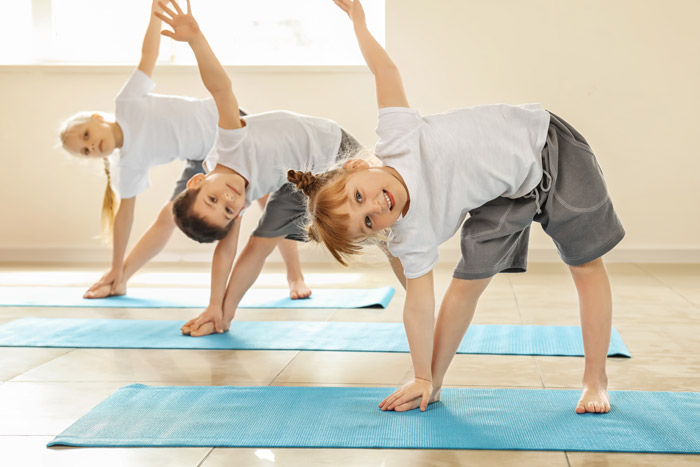
Introduction
Yoga is more than just a form of exercise—it’s a playful and engaging way for children to develop their bodies, minds, and hearts. For kids, yoga can be a magical adventure that combines movement, imagination, and mindfulness, all while promoting healthy growth and development. This guide is designed to introduce children to the joys of yoga in a safe, fun, and educational way. Whether your child is active, shy, energetic, or creative, yoga offers something valuable for every personality.
Why Yoga is Great for Kids
Children live in a world filled with distractions, technology, and sometimes stressful situations, from school pressures to social dynamics. Yoga provides a safe space for children to slow down, breathe, and connect with themselves. Unlike competitive sports, yoga emphasizes personal growth, self-awareness, and fun.
- Engages the Body and Mind: Yoga encourages children to move in ways that build strength, flexibility, and coordination while also focusing attention and awareness.
- Encourages Imagination: Many yoga poses are inspired by animals, nature, and adventure, allowing children to engage their creativity while practicing.
- Supports Emotional Health: Yoga teaches kids how to manage feelings, calm their minds, and practice patience.
By practicing yoga, children not only stay active but also learn lifelong skills that help them thrive both physically and emotionally.
Benefits of Yoga for Children
Yoga offers a wide range of benefits for children, which can be grouped into physical, mental and emotional, and social and behavioral advantages.
Physical Benefits
Yoga helps children develop their bodies in a holistic way:
- Improves Flexibility: Many yoga poses gently stretch muscles, tendons, and joints, increasing overall flexibility and reducing stiffness.
- Builds Strength: Poses like Plank, Warrior, and Tree strengthen the core, arms, legs, and back. Strong muscles support healthy posture and growth.
- Enhances Balance and Coordination: Balancing poses teach kids body awareness and spatial coordination, which are useful for sports, dance, and daily activities.
- Promotes Healthy Habits: Practicing yoga encourages children to move their bodies regularly and develop a positive relationship with exercise.
- Supports Posture and Spinal Health: Stretching and strengthening the spine helps prevent slouching, especially important as children grow.
Mental and Emotional Benefits
Yoga is not only physical—it’s a powerful tool for emotional development:
- Reduces Stress and Anxiety: Simple breathing exercises and calming poses help children release tension and manage stress.
- Improves Focus and Concentration: Mindful movement trains attention skills, which can enhance performance in school and daily tasks.
- Boosts Self-Esteem and Confidence: Mastering new poses and routines gives children a sense of achievement and pride.
- Encourages Mindfulness and Self-Awareness: Kids learn to notice their thoughts, feelings, and bodies in a gentle, non-judgmental way.
- Develops Patience and Emotional Regulation: Holding poses and learning sequences teaches children to manage impulses and practice self-control.
Social and Behavioral Benefits
Yoga can also improve how children interact with others and manage social situations:
- Promotes Cooperation and Teamwork: Partner poses and group yoga games encourage children to work together and support one another.
- Teaches Respect and Empathy: By listening to instructions and being mindful of others’ space and abilities, children cultivate respect for peers.
- Enhances Communication Skills: Yoga games and guided storytelling improve verbal and non-verbal communication.
- Encourages Positive Behavior: Mindfulness and self-regulation learned in yoga often translate to calmer behavior in the classroom and at home.
How to Use This Guide
This guide is designed to make yoga fun, engaging, and safe for children of all ages and abilities. Here’s how to get the most out of it:
- Follow the Poses Step by Step: Each pose includes clear instructions, illustrations (or imaginative descriptions), and tips for making it playful.
- Incorporate Themes and Stories: Many sections include animal poses, adventure sequences, or imaginative scenarios to keep children motivated.
- Adapt to Your Child’s Needs: Children grow and develop at different rates. Feel free to modify poses, shorten sequences, or add breaks when necessary.
- Make It Consistent but Flexible: Short daily sessions (even 10–15 minutes) are often more effective than occasional long sessions.
- Encourage, Don’t Force: Yoga should be a joyful experience. Celebrate effort and creativity, not perfection.
- Use Props and Music: Mats, blocks, soft toys, or gentle background music can enhance the experience and keep children engaged.
By using this guide, children can develop healthy habits, strengthen their bodies, and cultivate mindfulness, all while having fun and exploring the magical world of yoga.
Getting Started with Kids Yoga
Yoga for children is all about combining movement, imagination, and mindfulness. Unlike adults, kids respond best to activities that feel like play rather than strict exercise routines. Before diving into poses, it’s essential to create a safe, engaging, and enjoyable environment.
1. Setting Up a Safe Yoga Space
Creating the right environment is the first step in helping children enjoy yoga safely.
Tips for a Safe Space:
- Flat, Non-Slippery Surface: Practice on a carpet, yoga mat, or soft rug to prevent slips or falls.
- Clear the Area: Remove furniture, sharp corners, and fragile objects from the immediate area.
- Defined “Yoga Zone”: Use a mat or tape outline to give children a clear boundary for movement.
- Good Lighting and Ventilation: Bright enough to see poses clearly, but soft enough to create a calm atmosphere. Fresh air is ideal to keep children energized.
- Inviting Decor: Adding colorful mats, posters, or small stuffed animals makes the space feel fun and encourages participation.
A space that is safe and playful helps children focus and enjoy their practice without distractions.
2. Choosing the Right Props and Accessories
Props make yoga accessible, fun, and safe for children of all ages.
Helpful Props:
- Yoga Mats: Provide cushioning and traction, giving kids a safe spot for each pose.
- Yoga Blocks or Cushions: Help with balance and flexibility, especially for shorter or younger children.
- Straps or Bands: Assist in stretching, particularly for tight muscles.
- Stuffed Animals or Toys: Can represent animals in poses, serve as balance partners, or encourage imaginative play.
- Blankets or Towels: Cushion knees and joints during floor poses or relaxation.
Tip: Choose props that are lightweight, durable, and age-appropriate, so children can move them safely on their own.
3. Tips for Engaging Children
To keep children interested in yoga, practice must feel like a game or adventure.
Strategies for Engagement:
- Use Imagination and Stories: Pretend to be animals, superheroes, or explorers. Poses can represent lions roaring, trees swaying, or frogs jumping.
- Incorporate Games: Yoga freeze dance, obstacle poses, or “mirror me” games make practice playful.
- Positive Encouragement: Praise effort, creativity, and focus instead of perfect execution.
- Short Sessions: Start with 10–15 minutes and gradually extend as attention spans grow.
- Music and Rhythm: Gentle instrumental music or rhythmic chanting can guide breathing and movement.
The key is to make yoga fun, interactive, and full of imagination—this encourages children to keep coming back.
4. Warm-Up Exercises for Kids
Warming up prepares muscles, increases circulation, and reduces the risk of injury. Warm-ups for children should also be playful.
Fun Warm-Up Ideas:
- Animal Movements: Crawl like a cat, hop like a frog, or stretch like a puppy.
- Gentle Stretching: Reach arms to the sky, bend forward to touch toes, or twist side-to-side.
- Jumping and Wiggles: Light jumps, wiggles, or shaking hands and legs release energy and prepare the body.
- Breathing Exercises: Balloon breaths (deep inhale, big exhale) or blowing imaginary bubbles help children focus and calm their bodies.
Tip: Keep warm-ups short and energetic—around 3–5 minutes—to prepare for the main yoga practice.
Basic Yoga Poses for Children
Once the space is ready and children are warmed up, it’s time to start with simple, foundational poses. These poses focus on balance, strength, flexibility, and fun.
1. Mountain Pose (Tadasana) – Standing Tall and Strong
Purpose: Builds posture, balance, and awareness.
How to Do It:
- Stand with feet together or slightly apart.
- Spread toes wide and distribute weight evenly.
- Reach arms overhead, palms facing each other.
- Lift chest and imagine growing taller like a mountain.
- Breathe deeply, holding for 3–5 breaths.
Fun Tip: Ask children to imagine themselves as a tall, strong mountain with the wind gently blowing around them.
Benefits:
- Improves posture and alignment
- Strengthens legs and core
- Teaches focus and stability
2. Tree Pose (Vrikshasana) – Balance and Focus
Purpose: Enhances balance, concentration, and leg strength.
How to Do It:
- Stand tall in Mountain Pose.
- Shift weight to the left foot, lifting the right foot to rest on the inner calf or thigh (avoid the knee).
- Press hands together at the chest or raise them overhead like tree branches.
- Focus eyes on a fixed point to maintain balance.
- Hold for 3–5 breaths, then switch sides.
Fun Tip: Imagine being a tree in a forest—feel your roots grounding you and branches reaching for the sun.
Benefits:
- Strengthens legs and core muscles
- Improves focus and concentration
- Enhances balance and body awareness
3. Cat-Cow Pose (Marjaryasana-Bitilasana) – Stretching the Spine
Purpose: Warms up the spine, improves flexibility, and teaches coordination with breath.
How to Do It:
- Start on hands and knees, wrists under shoulders, knees under hips.
- Cat Pose: Exhale, round the back, tuck the chin toward the chest, and draw the belly in.
- Cow Pose: Inhale, arch the back, lift the head and tailbone toward the ceiling.
- Flow slowly between Cat and Cow for 5–8 breaths.
Fun Tip: Pretend to be a stretching cat and a playful cow in a sunny meadow.
Benefits:
- Increases spinal flexibility
- Strengthens the back and core
- Encourages breath awareness and coordination
4. Downward-Facing Dog (Adho Mukha Svanasana) – Full-Body Stretch
Purpose: Stretches the whole body and strengthens arms and legs.
How to Do It:
- Start on hands and knees.
- Lift hips toward the ceiling, forming an inverted “V” shape.
- Press heels toward the floor (they don’t have to touch).
- Keep arms straight and head relaxed between shoulders.
- Hold for 3–5 breaths.
Fun Tip: Ask children to imagine being a playful dog stretching after a nap, wagging an imaginary tail.
Benefits:
- Strengthens arms, legs, and core
- Stretches hamstrings, calves, and spine
- Improves posture and overall body awareness
5. Child’s Pose (Balasana) – Relaxation and Rest
Purpose: Provides gentle stretching and a moment to relax and reset.
How to Do It:
- Kneel on the mat with knees wide and big toes touching.
- Sit back on the heels and fold forward, resting forehead on the mat.
- Stretch arms forward or place them by the sides.
- Close eyes and breathe deeply for 5–10 breaths.
Fun Tip: Pretend to be a tiny seed resting in the soil, soaking up sunlight and water before growing again.
Benefits:
- Gently stretches back, hips, and thighs
- Calms the mind and reduces stress
- Provides a moment of rest between more active poses
Encouraging Consistency
Consistency is key to helping children gain the full benefits of yoga. However, maintaining a routine for kids is best achieved when yoga is fun, engaging, and rewarding rather than forced. This chapter offers strategies to make yoga a natural and enjoyable part of a child’s life.
1. Making Yoga a Fun Habit
Creating a habit begins with routine, excitement, and choice:
- Set a Regular Schedule: Choose a predictable time each day or several times a week. Short sessions of 10–20 minutes are often more effective than occasional long practices. Morning or after school sessions can work well.
- Keep It Playful: Use games, stories, animal poses, or adventure themes to make sessions enjoyable. Children are more likely to repeat activities they associate with fun.
- Let Children Have Choices: Allow kids to pick poses, sequences, or themes. Giving them control increases engagement and intrinsic motivation.
- Positive Reinforcement: Praise effort and participation. Even a small acknowledgment (“You balanced beautifully in Tree Pose!”) encourages consistency.
- Combine Yoga With Other Daily Routines: Pair yoga with music, storytelling, or breathing exercises to make it an integrated part of daily life rather than a separate task.
2. Yoga Challenges for Kids
Challenges are a great way to motivate children and track progress:
- Pose Streaks: Challenge children to practice one pose every day for a week. For example, “Can you hold Tree Pose every day for 5 breaths?”
- Sequence Adventure: Encourage children to create their own 5–10 pose yoga sequence and practice it daily.
- Balance Challenges: Count how many seconds a child can hold a pose like Tree or Warrior, gradually increasing over time.
- Family Yoga Challenge: Involve siblings or parents. Practicing together makes yoga social, fun, and encouraging.
Tip: Use charts, stickers, or small rewards to celebrate progress. Visual feedback helps children feel accomplished and motivated.
3. Celebrating Progress and Achievements
Celebrating small wins reinforces positive behavior and builds confidence:
- Praise Effort, Not Perfection: Focus on the child’s dedication, creativity, or bravery rather than flawless execution of poses.
- Track Milestones: Keep a simple journal of new poses learned or improvements in balance and flexibility.
- Showcase Creations: Let children design their own yoga-themed art, story, or pose chart.
- Share Success: Practice with friends, siblings, or parents and allow children to demonstrate their favorite poses.
Benefits: Recognizing achievements helps children feel proud, motivated, and eager to continue their yoga journey.
Conclusion
Yoga is a gift that grows with a child, offering physical, mental, and emotional benefits that extend into adulthood. When introduced in a playful, imaginative, and supportive way, children are more likely to embrace yoga as a lifelong practice.
Long-Term Benefits of Yoga for Children
Practicing yoga regularly can have lasting benefits:
- Physical Health: Improves flexibility, balance, strength, and posture while supporting healthy growth.
- Emotional Regulation: Children learn mindfulness, patience, and self-calming techniques.
- Cognitive Development: Focused breathing and mindful movement enhance attention, memory, and problem-solving skills.
- Social Skills: Partner and group activities build cooperation, empathy, and communication.
- Self-Confidence: Mastering poses and sequences boosts self-esteem and resilience.
Yoga encourages children to connect with their bodies and minds, fostering a strong foundation for health, happiness, and emotional well-being.
Encouragement for Lifelong Practice
- Start Early, Keep It Light: Introduce yoga in a fun, pressure-free way. Early positive experiences make yoga a natural part of life.
- Emphasize Fun Over Perfection: The goal is enjoyment, creativity, and self-expression, not competition.
- Integrate Yoga Into Daily Life: Short sessions, breathing breaks, or playful poses during playtime keep yoga consistent.
- Model Yoga as Adults: Children learn by example—parents and caregivers practicing yoga inspire kids to continue.
By fostering curiosity, imagination, and consistency, yoga becomes more than exercise—it becomes a lifelong companion for children’s health and happiness.
Resources
To make your child’s yoga journey easier, here are some recommended tools, books, and videos:
Suggested Books and Apps
- Books:
- “Yoga for Kids” by Susannah Hoffman – Fun poses and sequences for children.
- “I Am Yoga” by Susan Verde – A story-based approach to yoga and mindfulness.
- “Good Night Yoga” by Mariam Gates – Yoga poses and relaxation techniques for bedtime.
- Apps:
- Cosmic Kids Yoga: Story-based yoga adventures for kids.
- Yoga for Kids & Family: Guided poses and sequences for different age groups.
- Kiddopia – Yoga & Mindfulness: Interactive yoga and mindfulness activities for children.
Online Yoga Videos for Kids
- YouTube Channels:
- Cosmic Kids Yoga (interactive adventures)
- Yoga with Adriene (family-friendly sessions)
- The Yoga Institute Kids Yoga Series
- Streaming Services: Some apps like Glo for Kids and DoYogaWithMe offer guided sessions for various ages.
Tip: Always preview videos first to ensure they are safe and age-appropriate.
Yoga Props and Accessories for Home Practice
- Yoga Mats: Non-slip, cushioned mats in fun colors or patterns.
- Blocks and Cushions: Help with balance, flexibility, and safe stretching.
- Straps or Bands: Assist in gentle stretching for younger children.
- Soft Toys or Stuffed Animals: Encourage imaginative poses and playful engagement.
- Blankets: Add comfort for floor poses and relaxation sequences.
Having simple props at home can make yoga more accessible, safe, and exciting for children, while encouraging creativity and independence.