 By DailyYogafactsblog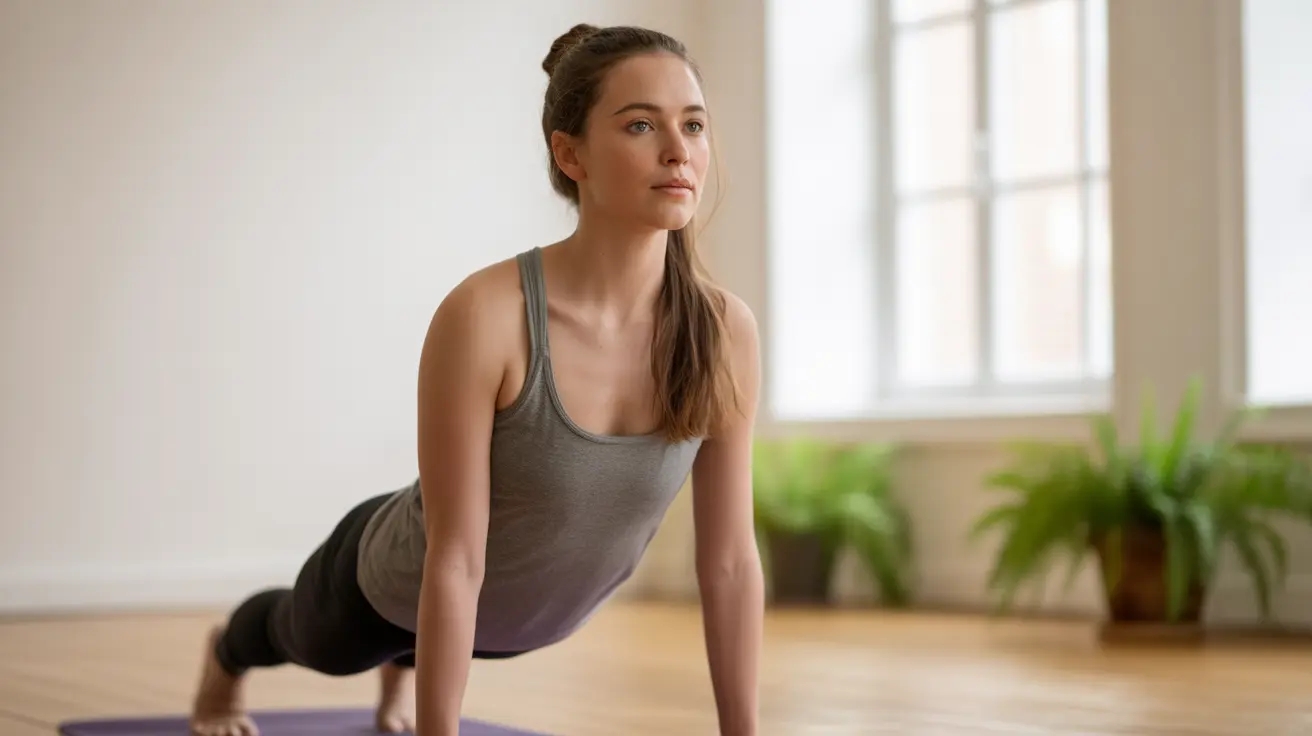
Introduction
Yoga has become an increasingly popular practice for people seeking better physical health, mental clarity, and emotional balance. With the rise of online classes, mobile apps, and virtual instructors, practicing yoga at home has never been more accessible. Home yoga allows individuals to integrate movement, breath, and mindfulness into daily life without the limitations of travel, schedules, or studio fees. However, while yoga is widely known for its healing and restorative benefits, it must be practiced correctly and mindfully to avoid strain or injury—especially when practicing independently at home.
Unlike a studio setting, where an instructor can offer real-time guidance and corrections, home practice requires greater personal awareness and responsibility. Practicing yoga safely at home ensures that the body is supported, movements are intentional, and progress is sustainable. A safe approach allows practitioners to experience yoga’s full benefits while reducing the risk of injury, burnout, or frustration. Whether you are a beginner or an experienced yogi, understanding the importance of safety is the foundation of a successful and long-lasting home yoga practice.
Importance of Safe Home Yoga Practice
Practicing yoga safely at home is essential because the absence of in-person supervision increases the risk of improper alignment and overexertion. Many yoga poses appear simple but require precise positioning of joints, muscles, and breath. Without proper awareness, practitioners may unknowingly place excessive strain on vulnerable areas such as the lower back, knees, neck, or shoulders. Over time, these small misalignments can lead to discomfort or injury.
Safe home yoga practice emphasizes listening to the body rather than forcing it into poses. Yoga is not about achieving a perfect shape; it is about cultivating balance, strength, and awareness. When practiced safely, yoga becomes a tool for healing rather than harm. Respecting personal limits, modifying poses when needed, and resting when the body signals fatigue are all essential elements of a safe practice.
Another critical aspect of safety is consistency. Practicing with poor technique may not cause immediate pain, but it can create long-term issues that interrupt progress. A safe approach allows practitioners to build strength and flexibility gradually, creating a strong foundation that supports advanced poses in the future. Additionally, safe practice fosters mental confidence, reducing fear and anxiety associated with movement, especially for beginners or individuals recovering from injury.
Practicing safely also includes creating a supportive environment—using proper props, warming up adequately, maintaining steady breathing, and avoiding distractions. When safety becomes a priority, yoga transforms into a sustainable lifestyle practice rather than a short-term fitness trend.
Benefits of Practicing Yoga at Home
Practicing yoga at home offers a wide range of physical, mental, emotional, and practical benefits. One of the most significant advantages is convenience. Home yoga eliminates the need to commute, making it easier to practice regularly. This accessibility encourages consistency, which is essential for experiencing yoga’s long-term benefits.
Home practice allows individuals to move at their own pace. Without the pressure of keeping up with a class, practitioners can spend extra time in poses, focus on alignment, or rest whenever needed. This self-paced approach supports deeper body awareness and reduces the risk of overexertion. It is especially beneficial for beginners, seniors, and individuals with physical limitations.
Another major benefit is personalization. At home, yoga routines can be tailored to individual goals, whether they involve flexibility, strength, stress relief, digestion, hormonal balance, or improved sleep. Practitioners can choose styles, durations, and intensity levels that suit their current needs. This flexibility makes yoga more inclusive and adaptable to changing lifestyles and health conditions.
Mentally and emotionally, home yoga provides a private and comfortable space for self-reflection and relaxation. Practicing in a familiar environment can reduce self-consciousness and encourage mindfulness. It allows practitioners to connect more deeply with their breath and inner state, supporting stress reduction, emotional balance, and mental clarity.
Additionally, home yoga is cost-effective. It reduces or eliminates studio fees while still offering access to high-quality instruction through online resources. Over time, this makes yoga more accessible and sustainable for people from all backgrounds.
When practiced safely and consistently, yoga at home becomes a powerful tool for holistic well-being. It empowers individuals to take charge of their health, cultivate self-discipline, and build a lifelong practice that supports both body and mind.
Understanding the Basics of Yoga Safety
Yoga is a holistic practice that integrates the body, breath, and mind. While it is generally gentle and therapeutic, safety is essential to ensure that yoga supports health rather than causing strain or injury. Understanding the basics of yoga safety helps practitioners build a strong, sustainable foundation—especially when practicing at home without direct supervision. Safe yoga practice is rooted in awareness, patience, and respect for the body’s natural limits. Rather than pushing for extreme flexibility or strength, yoga encourages mindful movement and gradual progress.
At its core, yoga safety means moving with intention, maintaining proper alignment, breathing steadily, and stopping when something doesn’t feel right. By developing body awareness and creating a supportive practice environment, practitioners can reduce the risk of injury and experience yoga as a lifelong wellness tool.
Listening to Your Body
Listening to your body is one of the most important principles of safe yoga practice. Every body is unique, and physical abilities vary from person to person and even from day to day. Factors such as stress levels, sleep quality, hydration, age, and prior injuries can significantly affect how the body responds to movement.
Yoga encourages inner awareness rather than external comparison. If a pose feels uncomfortable or unstable, it is a signal to ease back, modify, or rest. Ignoring these signals can lead to strain or injury over time. Listening to the body means paying attention to sensations, breath quality, and energy levels throughout the practice.
Breath is a powerful indicator of safety. If breathing becomes strained or shallow, it often means the body is working beyond a comfortable limit. Smooth, steady breathing suggests that the pose is being performed safely. Pausing, using props, or coming out of a pose is not a failure—it is a form of self-respect and mindfulness.
Knowing Your Limits
Knowing your limits is essential for building a safe and sustainable yoga practice. Yoga is not about forcing the body into advanced poses or achieving perfection. Instead, it is about meeting the body where it is and progressing gradually.
Each person has different flexibility, strength, balance, and mobility levels. Beginners may need more time to develop stability, while experienced practitioners may still have limitations in certain areas. Accepting these limits helps prevent overuse injuries and frustration.
Pushing beyond limits often occurs when practitioners compare themselves to others or try to replicate poses seen in videos or social media. This approach increases the risk of injury, especially in the joints and lower back. Respecting limits means choosing appropriate pose variations, taking breaks when needed, and allowing the body to evolve naturally over time.
Yoga teaches patience and consistency. Small, mindful improvements lead to long-term strength and flexibility, whereas rushing progress can cause setbacks.
Pain vs. Discomfort: What’s the Difference?
Understanding the difference between pain and discomfort is critical for yoga safety. Mild discomfort is common in yoga, especially when stretching tight muscles or holding poses that build strength. This type of sensation usually feels like gentle tension, warmth, or effort and should ease with steady breathing.
Pain, on the other hand, is a warning signal. Sharp, stabbing, burning, or sudden sensations—especially in the joints, spine, or neck—indicate that something is wrong. Pain may also be accompanied by holding the breath or a strong urge to escape the pose immediately.
Discomfort should never turn into pain. If pain occurs, the pose should be stopped or modified right away. Continuing through pain can lead to muscle strains, ligament damage, or joint injuries. Yoga prioritizes safety and awareness over endurance, making it essential to honor these signals.
Preparing Your Space for Safe Yoga Practice
A safe and supportive environment plays a crucial role in preventing injuries and enhancing focus during yoga practice. Preparing your space properly helps eliminate distractions, supports correct alignment, and creates a calming atmosphere conducive to mindfulness.
The practice area should allow free movement in all directions without obstacles. Furniture, sharp objects, or slippery surfaces can pose risks, especially during standing or balancing poses. A clean, organized space promotes mental clarity and reduces the chance of accidents.
Consistency also matters. Practicing in the same designated area helps establish a routine and signals the mind and body that it is time for yoga, enhancing both safety and effectiveness.
Choosing a Quiet and Comfortable Area
A quiet and comfortable area allows practitioners to focus fully on their practice without unnecessary interruptions. Noise, clutter, and distractions can break concentration and increase the risk of losing balance or missing alignment cues.
The space should be large enough to stretch the arms and legs comfortably in all directions. Privacy is also important, as it encourages relaxation and reduces self-consciousness. A peaceful environment supports deeper breathing, improved concentration, and a more meditative experience.
If complete silence is not possible, soft background music or natural sounds can help create a calming atmosphere. The goal is to create a space where the mind feels at ease and the body can move freely and safely.
Proper Flooring and Yoga Mat Selection
The right flooring and yoga mat are essential for safety and comfort. Slippery surfaces increase the risk of falls, while overly hard floors can strain joints. A high-quality yoga mat provides grip, cushioning, and stability during poses.
Mats should be non-slip and thick enough to protect the knees, elbows, and spine, especially during floor-based poses. However, they should not be so thick that they compromise balance in standing poses. Choosing a mat appropriate for your practice style—such as extra cushioning for gentle yoga or firm grip for active styles—enhances safety and confidence.
Practicing barefoot is generally recommended, as it improves balance and connection with the ground. Ensuring the mat lies flat without curling edges also prevents tripping or slipping.
Lighting, Ventilation, and Room Temperature
Proper lighting, ventilation, and room temperature significantly affect the safety and quality of yoga practice. Lighting should be soft yet sufficient to see body alignment clearly. Dim lighting can promote relaxation, but it should not be so dark that it compromises visibility or balance.
Good ventilation ensures fresh airflow, preventing overheating and discomfort. Stale or humid air can make breathing difficult, particularly during more active practices. Opening a window or using a fan at a gentle setting can help maintain comfort.
Room temperature should be moderate—not too hot or too cold. Excessive heat increases the risk of dehydration and overstretching, while cold temperatures can make muscles stiff and prone to injury. A comfortable environment supports smooth movement, steady breathing, and overall safety throughout the practice.
Choosing the Right Yoga Style
Choosing the right yoga style is a key factor in practicing yoga safely at home. Not all yoga styles are suitable for everyone, especially for beginners or individuals with limited mobility, health conditions, or low fitness levels. Each style of yoga varies in pace, intensity, focus, and physical demand. Selecting a style that aligns with your current abilities helps prevent injury, builds confidence, and supports steady progress.
Practicing an inappropriate or overly intense style too early can lead to strain, fatigue, or discouragement. Yoga is meant to support well-being, not overwhelm the body. By choosing a suitable style and progressing gradually, practitioners can create a balanced and enjoyable home yoga practice that evolves naturally over time.
Beginner-Friendly Yoga Styles
Beginner-friendly yoga styles focus on gentle movements, basic poses, and proper alignment rather than speed or complexity. These styles provide a strong foundation and help new practitioners develop body awareness, flexibility, and strength safely.
Hatha Yoga is one of the most recommended styles for beginners. It moves at a slower pace and emphasizes holding poses with correct alignment and controlled breathing. This allows practitioners to understand each posture and make adjustments as needed.
Gentle Yoga is ideal for seniors, beginners, or those recovering from injury. It involves slow, supported movements, often using props such as blocks, bolsters, or chairs to reduce strain on joints and muscles.
Restorative Yoga focuses on deep relaxation and stress relief. Poses are fully supported and held for longer periods, making it excellent for recovery, relaxation, and nervous system balance.
Yin Yoga, when practiced carefully, can also be beginner-friendly. It targets deep connective tissues with passive stretching. However, it should be approached gently, especially for those with joint sensitivity.
Starting with these styles allows practitioners to build confidence and strength while minimizing the risk of injury.
Avoiding Advanced Poses Too Early
One of the most common causes of yoga-related injuries is attempting advanced poses too early. Poses such as deep backbends, arm balances, inversions, and extreme twists require a strong foundation of strength, flexibility, balance, and body awareness.
Trying to force the body into advanced postures before it is ready can place excessive stress on joints, ligaments, and the spine. This often leads to strains, especially in the lower back, shoulders, neck, and knees. Yoga progress should be gradual, allowing muscles and connective tissues time to adapt.
Yoga is not a competition. Comparing yourself to others or trying to mimic advanced poses seen online can be harmful. Instead, focus on mastering basic poses and learning proper alignment. Modifications and props should be used freely to support safe progress.
Advanced poses will naturally become accessible over time as strength and flexibility develop. Patience and consistency are far more effective than rushing progress.
Selecting Classes or Videos Based on Your Level
When practicing yoga at home, choosing appropriate classes or videos is essential for safety. Many online resources clearly label sessions by level, such as beginner, intermediate, or advanced. Beginners should start with beginner-specific content that explains alignment, breathing, and transitions in detail.
It is important to read descriptions carefully and choose classes that match your physical condition, experience level, and goals. Sessions that move too quickly or lack clear instructions can increase the risk of improper alignment.
Look for instructors who emphasize safety cues, offer modifications, and encourage rest when needed. Videos that demonstrate poses from multiple angles or provide verbal alignment guidance are especially helpful for home practice.
Shorter sessions are ideal when starting out, allowing the body o adapt gradually. As confidence and strength improve, duration and intensity can be increased safely.
Warm-Up and Cool-Down Essentials
Warm-up and cool-down practices are essential components of safe yoga practice. Skipping these phases increases the risk of muscle strain, joint stress, and post-practice stiffness. A well-structured yoga session begins by preparing the body for movement and ends by allowing it to relax and recover.
Warm-ups increase blood circulation, loosen joints, and awaken muscles, making movement smoother and safer. Cool-downs help regulate the nervous system, reduce muscle tension, and promote recovery. Together, they support injury prevention and enhance the overall effectiveness of the practice.
Importance of Warming Up
Warming up prepares the body physically and mentally for yoga practice. Cold muscles are less flexible and more prone to injury, especially during stretches and weight-bearing poses. A proper warm-up gradually increases heart rate, circulation, and joint mobility.
Gentle movements such as neck rolls, shoulder shrugs, spinal flexion and extension, and slow sun salutations help prepare the body for deeper poses. Warm-ups also improve coordination and balance, reducing the likelihood of sudden strain or loss of stability.
Mentally, warming up allows practitioners to transition into a focused and mindful state. It encourages breath awareness and helps establish a steady rhythm for the practice.
Safe Stretching Techniques
Safe stretching in yoga involves moving slowly, breathing steadily, and avoiding force. Stretches should feel gentle and controlled, never sharp or painful. The goal is to release tension, not to push the body beyond its limits.
Dynamic stretching—slow, repeated movements—is ideal during warm-ups, while static stretching—holding poses—should be approached cautiously and only after the body is warm. Proper alignment is essential to ensure that stretches target muscles rather than joints.
Using props such as blocks, straps, or bolsters helps maintain safety and comfort. Stretching should always be paired with steady breathing; if the breath becomes strained, it is a sign to ease back.
Cooling Down and Relaxation Practices
Cooling down allows the body to return to a state of balance after physical effort. It reduces muscle tension, slows the heart rate, and calms the nervous system. Skipping the cool-down phase can leave the body feeling tight or restless.
Gentle poses such as seated forward bends, gentle twists, legs-up-the-wall, and supine stretches are effective for cooling down. These poses encourage relaxation and help release any remaining tension.
Relaxation practices such as Savasana, guided body scans, or slow breathing exercises are essential for integrating the benefits of yoga. They support mental clarity, emotional balance, and deep rest.
A complete cool-down reinforces the mind–body connection and ensures that yoga practice ends in a state of calm and restoration, making it safer and more beneficial in the long term.
Safety Tips for Online and Video-Based Yoga
Online and video-based yoga have made the practice more accessible than ever, allowing people to learn and practice from the comfort of their homes. However, the lack of in-person supervision means practitioners must take extra care to ensure safety. Without an instructor physically present to offer corrections, it becomes essential to choose the right resources, stay attentive, and practice mindfully. By following key safety guidelines, online yoga can be just as effective and safe as studio-based practice.
Choosing Certified Instructors
One of the most important safety considerations for online yoga is selecting classes led by certified and experienced instructors. Certified instructors have undergone formal training in anatomy, alignment, and injury prevention, which helps ensure that poses are taught safely and responsibly.
Look for instructors who clearly mention their credentials, such as yoga teacher training certifications (e.g., 200-hour or 500-hour training). Experienced instructors often emphasize proper alignment, breathing techniques, and modifications for different body types and abilities. They also tend to provide safety cues and reminders throughout the session.
Avoid videos that rush through poses without explanation or encourage pushing through discomfort. A trustworthy instructor will encourage listening to the body, resting when needed, and using props or modifications. Choosing qualified instructors builds confidence and significantly reduces the risk of injury during home practice.
Following Clear Verbal Instructions
Clear verbal guidance is essential when practicing yoga through videos. Since it may not always be possible to watch the screen continuously—especially during balance poses or floor work—verbal instructions play a crucial role in maintaining proper alignment and safety.
Choose classes where the instructor explains poses step by step, names body parts clearly, and offers alignment cues. Instructions should include how to enter and exit poses safely, where to place the feet or hands, and how to engage or relax specific muscles.
Pay close attention to cues related to breath and sensation. Instructors who remind you to breathe steadily and avoid strain help prevent overexertion. If instructions feel confusing or rushed, it is safer to pause the session and adjust rather than continuing with uncertainty.
Pausing and Rewinding When Needed
One of the greatest advantages of video-based yoga is the ability to pause and rewind. Practitioners should take full advantage of this feature to ensure safety and understanding. There is no pressure to keep up with the pace of the class, unlike in a live studio environment.
If a pose feels unclear or challenging, pause the video and take time to adjust your alignment or use props. Rewinding allows you to rewatch demonstrations and better understand transitions between poses, which is especially helpful for beginners.
Stopping the video to rest is equally important. Yoga should never feel rushed or exhausting. Pausing when the body needs a break helps prevent strain and encourages a more mindful and personalized practice.
Conclusion
Practicing yoga safely at home is not about perfection—it is about awareness, patience, and respect for the body. With the right approach, home yoga can be a powerful tool for improving physical health, reducing stress, and cultivating mental clarity. Safety forms the foundation of a successful yoga practice, allowing practitioners to enjoy long-term benefits without injury or burnout.
By understanding yoga safety principles, preparing a supportive environment, choosing appropriate styles and resources, and practicing mindfully, individuals can create a fulfilling and sustainable home yoga routine.
Key Safety Takeaways
- Always listen to your body and respect its limits
- Choose beginner-appropriate styles and progress gradually
- Avoid pain and never force poses
- Warm up before practice and cool down afterward
- Use props and modifications to support alignment
- Select certified instructors and well-structured online classes
- Pause, rest, and rewind whenever needed
Building a Sustainable and Injury-Free Practice
A sustainable yoga practice is built on consistency, balance, and self-care. Rather than practicing intensely for short periods, aim for regular, moderate sessions that support both strength and recovery. Allow rest days when needed and adjust your practice based on how your body feels.
Injury-free yoga comes from patience and awareness. Progress may be slow at times, but steady practice leads to lasting improvements in flexibility, strength, and overall well-being. Yoga is a lifelong journey, not a destination.
Encouragement to Practice Mindfully at Home
Practicing yoga at home offers a unique opportunity to connect deeply with yourself in a comfortable and personal space. By prioritizing safety and mindfulness, you create an environment where growth happens naturally and sustainably.
Approach each session with curiosity rather than expectation. Honor your body, breathe consciously, and move with intention. When practiced mindfully and safely, home yoga becomes more than exercise—it becomes a nourishing daily ritual that supports long-term health, balance, and inner peace.