 By DailyYogafactsblog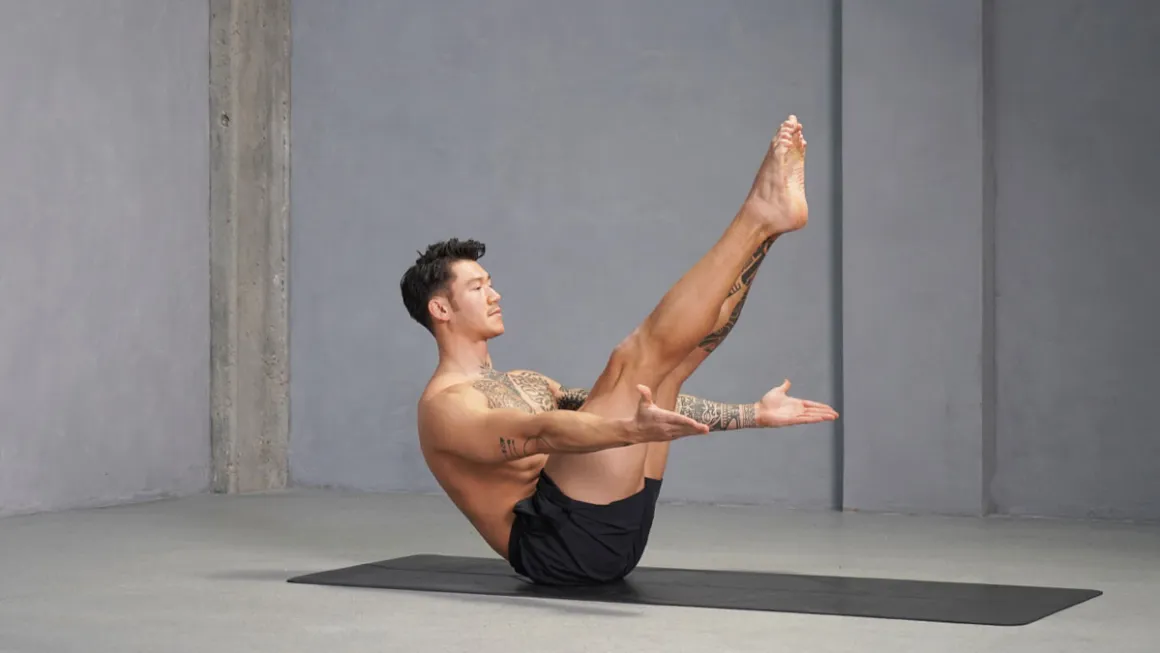
Introduction
Strength is often associated with lifting heavy weights, intense gym workouts, and bulky muscles. However, yoga offers a powerful and highly effective approach to building strength that goes beyond traditional methods. Yoga develops strength using your own body weight, controlled movement, balance, and sustained muscle engagement. Instead of focusing on isolated muscle groups, yoga emphasizes full-body integration, functional strength, and stability. This makes it a sustainable and holistic way to become stronger while also improving flexibility, posture, and mental focus.
Yoga is suitable for people of all fitness levels because strength is built gradually and mindfully. Whether you are a beginner or an experienced practitioner, yoga allows you to progress at your own pace, making it a safe and adaptable practice for long-term strength development.
Understanding Strength in Yoga
In yoga, strength is not just about muscle size or the ability to lift heavy objects. It is about control, endurance, balance, and stability. Yoga strength focuses on how well you can support your body, maintain proper alignment, and hold poses with steady breathing. This type of strength is often referred to as functional strength, meaning it supports everyday movements and reduces the risk of injury.
Yoga also strengthens smaller stabilizing muscles that are often neglected in conventional workouts. These muscles play a crucial role in joint health and overall body balance. Additionally, yoga trains muscular endurance by encouraging practitioners to hold poses for extended periods. This helps muscles become stronger over time without placing excessive strain on joints.
Mental strength is another key aspect of yoga. Holding challenging poses requires patience, focus, and the ability to stay calm under physical stress. This mental resilience directly supports physical strength, allowing the body to perform more efficiently and safely.
Why Yoga Is Effective for Building Strength
Yoga is highly effective for building strength because it uses natural body mechanics and consistent muscle engagement. Instead of relying on external weights, yoga relies on gravity and your own body weight to create resistance. This approach reduces the risk of injury while still providing sufficient challenge to muscles.
Another reason yoga works so well for strength building is its emphasis on alignment and controlled movement. Proper alignment ensures that muscles are activated correctly, preventing compensation and imbalances. Over time, this leads to stronger, more evenly developed muscles.
Yoga also promotes balance between strength and flexibility. Tight muscles are more prone to injury, while flexible yet strong muscles perform better. By combining both elements, yoga creates a resilient and adaptable body. Furthermore, yoga encourages consistency rather than intensity, which is essential for long-term strength gains.
How Yoga Builds Strength
Yoga builds strength through slow, intentional movements, sustained poses, and mindful breathing. Each posture requires muscles to work together, creating a full-body strengthening effect. Unlike fast-paced workouts, yoga encourages you to move deliberately, allowing muscles to remain engaged for longer durations.
Transitions between poses also contribute to strength development. Flow-based practices such as Vinyasa and Power Yoga involve continuous movement that challenges muscles dynamically. Over time, these repeated movements improve muscular endurance and coordination.
Breath control plays a significant role as well. Deep, controlled breathing supports muscle engagement and oxygen delivery, allowing you to hold poses longer and build strength more effectively.
Bodyweight Resistance Explained
Bodyweight resistance is the foundation of strength building in yoga. Every pose requires you to lift, hold, or balance your body against gravity. For example, poses like Plank, Chaturanga, and Chair Pose demand significant muscle activation to support your body weight.
The beauty of bodyweight resistance is its adaptability. As you become stronger, poses naturally become more challenging through deeper engagement, longer holds, or advanced variations. This progressive overload occurs without the need for additional equipment, making yoga accessible and effective for strength development.
Because bodyweight resistance follows natural movement patterns, it improves functional strength that translates directly into daily activities. It also places less stress on joints compared to heavy weightlifting, making it suitable for people of all ages.
Isometric Holds and Muscle Engagement
Isometric holds are a key component of yoga-based strength training. An isometric hold occurs when muscles are engaged without changing length, such as holding Warrior II or Plank Pose. These sustained contractions significantly increase muscle endurance and stability.
Holding poses forces muscles to remain active for extended periods, which strengthens both major muscle groups and smaller stabilizers. This type of training improves joint support and overall body control. Isometric holds also enhance mind-body awareness, helping practitioners recognize which muscles are working and how to engage them effectively.
Over time, these holds lead to improved muscular tone and strength without excessive strain. They also build mental focus, as maintaining stillness during challenging poses requires concentration and breath control.
Mind–Muscle Connection in Yoga
The mind–muscle connection is one of yoga’s most powerful tools for building strength. Yoga encourages you to be fully present and aware of how your body moves and feels in each pose. This awareness allows for more effective muscle activation and better alignment.
By consciously engaging specific muscles, you improve the quality of each posture. For example, actively engaging the core during standing poses enhances stability and protects the lower back. This intentional engagement leads to faster strength gains and reduces the risk of injury.
Additionally, the mind–muscle connection improves breathing efficiency and relaxation, allowing you to hold poses longer and with better form. Over time, this deep connection transforms yoga into a highly effective strength-building practice that nurtures both physical and mental resilience.
Types of Strength Developed Through Yoga
Yoga develops multiple forms of strength that work together to support overall physical performance and daily movement. Unlike traditional workouts that often isolate muscles, yoga trains the body as a connected system. This results in balanced, functional strength that improves posture, stability, and endurance.
Upper Body Strength
Yoga is highly effective for building upper body strength using bodyweight resistance. Poses such as Plank, Chaturanga, Downward-Facing Dog, and arm balances require the shoulders, chest, arms, and upper back to support and stabilize the body.
Regular practice strengthens the deltoids, triceps, biceps, pectoral muscles, and the muscles surrounding the shoulder joints. Unlike weightlifting, yoga strengthens these muscles through controlled, sustained engagement, which improves joint stability and reduces the risk of shoulder injuries. Over time, this leads to improved posture, better arm endurance, and increased pushing and pulling strength.
Core Strength
The core is the foundation of nearly every yoga pose. In yoga, core strength goes beyond visible abdominal muscles and includes deep stabilizing muscles such as the transverse abdominis, obliques, and lower back muscles.
Poses like Boat Pose, Plank, Side Plank, and balancing postures demand constant core engagement to maintain alignment and stability. A strong core supports the spine, improves balance, and enhances coordination. This type of strength also protects the lower back and makes everyday movements such as bending, lifting, and twisting safer and more efficient.
Lower Body Strength
Yoga builds strong and resilient legs through standing and balancing poses that engage the thighs, hips, glutes, and calves. Poses such as Chair Pose, Warrior series, Lunges, and Goddess Pose require the lower body to support body weight while maintaining balance and alignment.
These poses develop muscular endurance and strength in the legs without excessive joint stress. Lower body strength gained through yoga improves mobility, supports knee and hip health, and enhances athletic performance. It also contributes to better balance and stability as you move through daily activities.
Functional and Stabilizer Muscle Strength
One of yoga’s greatest strengths is its ability to target small stabilizer muscles that are often overlooked. These muscles support joints, improve balance, and enhance coordination.
Balancing poses like Tree Pose, Eagle Pose, and Half Moon Pose activate stabilizer muscles in the ankles, knees, hips, and core. Strengthening these muscles improves joint integrity and reduces the risk of injuries. Functional strength developed through yoga directly translates to better posture, smoother movement, and increased body awareness in everyday life.
Best Yoga Styles for Strength Building
Different yoga styles emphasize strength in unique ways. Choosing the right style depends on your fitness level, goals, and preferences.
Power Yoga
Power Yoga is a dynamic and physically demanding style designed specifically to build strength and endurance. It incorporates fast-paced flows, challenging poses, and minimal rest, making it an excellent full-body workout.
This style focuses heavily on upper body and core strength through poses like Plank, Chaturanga, and arm balances. Power Yoga is ideal for those looking to build muscle tone, improve cardiovascular fitness, and increase overall strength.
Vinyasa Flow
Vinyasa Flow links breath with movement, creating a continuous sequence of poses. This constant motion builds strength through repetition and sustained muscle engagement.
Vinyasa strengthens the entire body while improving coordination and flexibility. Transitions between poses play a major role in building strength, especially in the core and upper body. This style is suitable for practitioners who enjoy variety and fluid movement.
Ashtanga Yoga
Ashtanga Yoga follows a structured sequence of poses that progressively build strength and discipline. The practice is physically demanding and emphasizes consistent repetition.
Ashtanga develops significant upper body, core, and leg strength through challenging poses and transitions. It also builds mental resilience and endurance, making it ideal for practitioners seeking a disciplined and strength-focused approach.
Hatha Yoga for Strength
Hatha Yoga is a slower-paced practice that focuses on holding poses for longer periods. This makes it effective for building strength through isometric holds.
Holding poses allows muscles to engage deeply and steadily, improving endurance and stability. Hatha Yoga is especially beneficial for beginners or those recovering from injury who want to build strength safely and mindfully.
Yin Yoga for Supportive Strength
Yin Yoga is not traditionally known for building muscular strength, but it plays a supportive role in a strength-focused practice. It targets connective tissues, ligaments, and joints.
By improving joint health and flexibility, Yin Yoga supports stronger and more resilient muscles. It also enhances recovery and prevents stiffness, making it a valuable complement to more active strength-building styles.
Key Yoga Poses for Building Strength
Certain yoga poses are especially effective for developing strength across different muscle groups.
Standing Strength Poses
Standing poses build strength in the legs, hips, and core while improving balance and posture. Poses such as Warrior I, Warrior II, Warrior III, Chair Pose, and Goddess Pose require sustained muscle engagement.
These poses improve lower body endurance and functional strength while teaching proper alignment and stability.
Arm-Balancing Poses
Arm balances are among the most challenging and rewarding strength-building poses in yoga. Poses like Crow Pose, Side Crow, and Firefly Pose develop significant upper body and core strength.
These poses also enhance coordination, balance, and mental focus. Practicing arm balances builds confidence and full-body control.
Core-Strengthening Poses
Core-focused poses directly target abdominal and lower back muscles. Boat Pose, Plank, Side Plank, Dolphin Pose, and Forearm Plank are excellent for building core stability.
A strong core supports nearly every yoga pose and improves overall body strength and balance.
Lower Body Strength Poses
Poses such as Chair Pose, Lunges, Warrior series, Bridge Pose, and Squat variations strengthen the legs and glutes.
These poses improve joint stability, increase muscular endurance, and support functional movement patterns used in daily life.
Beginner-Friendly Strength-Building Yoga Poses
Strength-building yoga is accessible to beginners when practiced with proper guidance and modifications.
Foundational Poses for New Practitioners
Beginners should focus on foundational poses that teach alignment and controlled muscle engagement. Poses such as Mountain Pose, Chair Pose, Low Lunge, Plank (with knees down), Bridge Pose, and Downward-Facing Dog build strength gradually and safely.
These poses establish a strong base and prepare the body for more advanced postures.
Modifications and Props for Support
Yoga props such as blocks, straps, and bolsters make strength-building poses more accessible. Using blocks in standing poses improves balance, while straps help maintain proper alignment and muscle engagement.
Modifications like lowering the knees in Plank or using the wall for balance allow beginners to build strength without strain. These supportive tools encourage safe progress and long-term consistency in practice.
Nutrition and Recovery for Strength Building
Building strength through yoga is not limited to what happens on the mat. Proper nutrition and adequate recovery play a vital role in helping muscles repair, grow, and perform efficiently. When yoga is combined with mindful eating and restorative habits, strength gains become more sustainable and long-lasting.
Supporting Muscles Through Diet
A balanced diet provides the essential nutrients required for muscle recovery and strength development. Protein is particularly important, as it helps repair muscle fibers that are challenged during yoga practice. Including quality protein sources such as lentils, beans, eggs, dairy, tofu, nuts, seeds, and lean meats supports muscle maintenance and growth.
Carbohydrates are equally important because they provide energy for strength-based yoga sessions. Whole grains, fruits, and vegetables help replenish glycogen stores and prevent fatigue. Healthy fats from sources like avocados, olive oil, nuts, and seeds support joint health and reduce inflammation.
Micronutrients such as magnesium, calcium, and iron also play a key role in muscle function and recovery. Eating a variety of whole foods ensures that the body receives these nutrients naturally. Staying consistent with nourishing meals helps the body adapt to strength-building demands and improves overall performance.
Rest, Sleep, and Hydration
Recovery is when the body becomes stronger. Adequate rest allows muscles to repair and adapt after strength-focused yoga sessions. Overtraining without proper recovery can lead to fatigue, reduced performance, and increased risk of injury.
Sleep is one of the most powerful recovery tools. During deep sleep, the body releases growth hormones that support muscle repair and tissue regeneration. Aiming for quality sleep each night enhances strength gains and mental clarity.
Hydration is equally essential. Water supports muscle contraction, joint lubrication, and nutrient transport. Even mild dehydration can reduce strength and endurance. Drinking enough water before and after yoga practice helps maintain energy levels and supports effective recovery.
Benefits Beyond Physical Strength
Strength-building yoga offers benefits that extend far beyond muscle development. It enhances mental, emotional, and structural health, creating a balanced and resilient body and mind.
Mental Resilience
Yoga builds mental resilience by encouraging focus, patience, and controlled breathing during challenging poses. Holding strength-based postures requires concentration and the ability to remain calm under physical stress.
This mental training carries over into daily life, helping practitioners manage stress, improve emotional regulation, and develop confidence. Over time, yoga strengthens not only the body but also the ability to face challenges with clarity and composure.
Improved Balance and Posture
Many strength-building yoga poses emphasize alignment and stability, which naturally improves balance and posture. Strengthening the core, legs, and back supports the spine and encourages proper body alignment.
Improved posture reduces strain on muscles and joints, alleviating common issues such as back pain and neck tension. Better balance also enhances coordination and reduces the risk of falls, especially as the body ages.
Injury Prevention
Yoga strengthens muscles while improving flexibility and joint mobility, creating a well-rounded and injury-resistant body. Strong muscles provide better support for joints, while flexibility prevents excessive strain during movement.
By promoting mindful movement and body awareness, yoga helps practitioners recognize their limits and avoid overexertion. This balanced approach significantly reduces the likelihood of common fitness-related injuries.
Who Can Benefit From Strength-Building Yoga
Strength-building yoga is inclusive and adaptable, making it suitable for a wide range of individuals regardless of age or fitness level.
Beginners
Beginners benefit from yoga’s gradual and controlled approach to strength development. Foundational poses and modifications allow new practitioners to build strength safely without overwhelming the body.
Yoga also teaches proper alignment and breathing from the start, creating healthy movement patterns that support long-term progress.
Athletes
Athletes use strength-building yoga to improve performance, enhance mobility, and prevent injuries. Yoga strengthens stabilizer muscles, improves balance, and increases core stability, all of which are essential for athletic movement.
It also supports recovery by reducing muscle tightness and improving circulation, making it a valuable complement to intense training routines.
Older Adults
For older adults, yoga offers a safe and effective way to maintain muscle strength, balance, and mobility. Strength-building poses can be modified to suit individual needs, reducing stress on joints while improving stability.
Regular practice helps preserve independence, improve posture, and reduce the risk of falls, contributing to a higher quality of life.
Conclusion
Long-Term Strength Gains Through Yoga
Yoga builds strength gradually and sustainably by emphasizing consistency, alignment, and mindful movement. Rather than focusing on quick results, yoga encourages steady progress that supports long-term physical health and resilience.
Over time, regular practice leads to stronger muscles, improved balance, better posture, and enhanced mental clarity. These benefits accumulate, creating lasting strength that supports everyday life.
Staying Consistent With Practice
Consistency is the key to building strength with yoga. Practicing regularly, even for short sessions, helps the body adapt and grow stronger over time. Listening to your body, allowing for rest, and maintaining a balanced routine ensures continued progress without burnout.
By combining mindful practice with proper nutrition, recovery, and patience, yoga becomes a powerful lifelong tool for building strength, stability, and overall well-being.