 By DailyYogafactsblog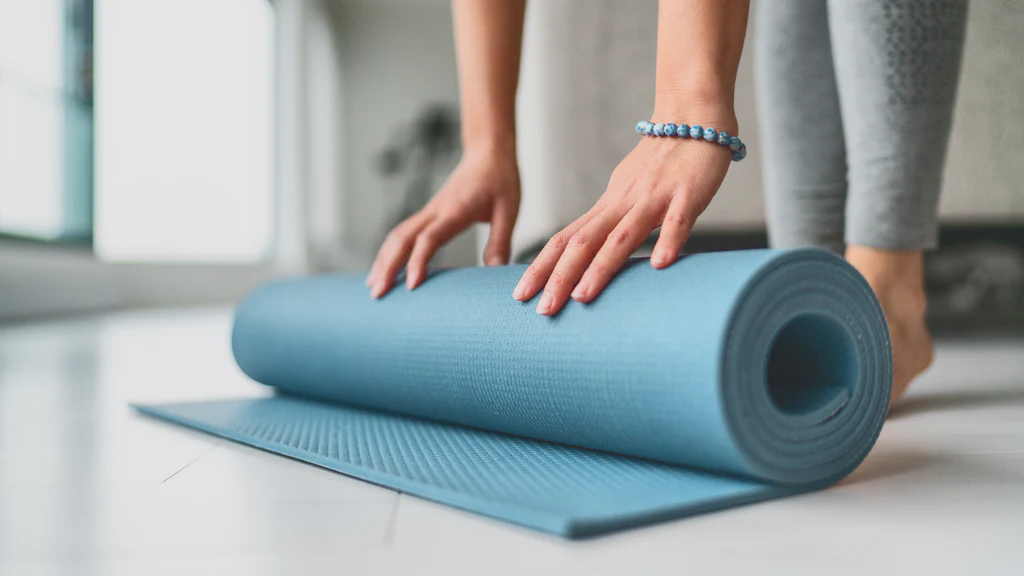
Introduction
Yoga has been practiced for thousands of years, evolving from ancient traditions into a modern form of exercise, mindfulness, and self-care. Today, millions of people around the world turn to yoga not only for flexibility and strength but also for stress relief, mental clarity, and overall well-being. One of the first questions new practitioners often ask is: “Do I need a yoga mat?”
This question may seem simple, but it touches on several important aspects of the yoga experience, including safety, comfort, performance, and even the mental aspect of creating a personal practice space. Understanding why this question matters helps you make an informed choice that fits your style, environment, and needs.
Why the Question of a Yoga Mat Matters
A yoga mat is often considered an essential tool, but it is not strictly mandatory. The need for a mat depends on factors such as:
- Comfort and Cushioning: Yoga involves positions that put pressure on your joints, knees, wrists, and spine. Practicing on hard floors without support can be uncomfortable or even painful over time. A mat provides padding that protects your body while allowing you to focus on the poses themselves.
- Safety and Stability: Certain poses, especially balancing postures, require a stable surface to prevent slipping. Mats with grip help maintain alignment and reduce the risk of injury, particularly during dynamic styles like Vinyasa or Power Yoga.
- Hygiene and Personal Space: A yoga mat defines your personal practice area. This is especially important in studios, gyms, or outdoor spaces where the floor may not be clean. It creates a clean, personal zone that reduces exposure to dirt and germs.
- Psychological Benefits: Beyond the physical, a yoga mat signals a dedicated practice space. Rolling out your mat can serve as a mental cue, helping you transition into a focused, mindful state.
Overview of Yoga Practice Without a Mat
While mats provide many benefits, yoga can also be practiced without one, depending on your environment and style:
- On Carpet or Soft Surfaces: Carpeted floors or rugs can provide some cushioning, making a mat optional for gentle practices like Hatha or Yin Yoga.
- Outdoors: Grass, sand, or even smooth soil can be suitable for yoga, though uneven surfaces may require extra attention for balance poses.
- Using Alternatives: Many people substitute yoga mats with towels, blankets, or foam pads. While these options may not offer the same grip or structure, they can be effective for a temporary or home practice.
- Bare Floors: It is possible to practice directly on wooden, tile, or concrete floors. However, caution is needed with joint-heavy poses or slippery surfaces. In these cases, focusing on alignment, slow movements, and perhaps a small towel under vulnerable areas can help prevent discomfort or injury.
Ultimately, yoga is flexible—literally and figuratively. While a mat enhances comfort, safety, and focus, your practice can continue without one, adapting to your environment and needs. Understanding the pros and cons of practicing with or without a mat will help you make the best choice for your personal journey.
The Purpose of a Yoga Mat
A yoga mat is more than just a piece of rubber or fabric—it’s a tool designed to enhance your practice in multiple ways. While some people can practice yoga on bare floors or alternative surfaces, using a mat provides distinct advantages that improve comfort, safety, and focus. Understanding these purposes will help you decide whether a mat is right for you and what type to choose.
Cushioning and Comfort
Yoga involves poses that put pressure on your joints, spine, and muscles. For example:
- Knees: Poses like Child’s Pose, Cat-Cow, or Low Lunges require kneeling, which can be uncomfortable on hard floors.
- Wrists: Weight-bearing poses like Downward Dog or Plank can strain the wrists without padding.
- Spine and Hips: Lying poses, such as Savasana or Supine Twists, benefit from soft support to prevent discomfort.
A yoga mat provides cushioning that protects sensitive areas, allowing you to hold poses longer and move more confidently. It can reduce joint pain, muscle fatigue, and the risk of bruising or soreness, making your practice safer and more enjoyable.
Grip and Stability
Many yoga poses require balance and precise alignment. Practicing on a slippery or uneven surface increases the risk of falling or misaligning your body. A yoga mat:
- Offers traction for hands and feet, helping you maintain poses without slipping.
- Improves confidence in balancing postures like Tree Pose or Warrior III.
- Supports dynamic flows, such as Vinyasa sequences, where stability is crucial for smooth transitions.
The texture of the mat, often slightly sticky, provides a surface that grips your skin while still allowing natural movement. This grip is particularly valuable during sweaty sessions, such as Hot Yoga or Power Yoga.
Hygiene and Personal Space
A yoga mat also serves as a personal practice zone, offering psychological and hygienic benefits:
- Cleanliness: Studios, gyms, or outdoor spaces can harbor dirt, bacteria, or sweat from other practitioners. A mat creates a clean surface exclusively for you.
- Boundaries: It visually defines your space, helping maintain focus and avoid encroaching on others.
- Mental Cue: Rolling out your mat signals your mind that it’s time to focus, aiding in concentration and mindfulness.
Even if you practice at home, a mat keeps your area hygienic and comfortable, especially if you share space with family or pets.
Support for Various Surfaces
Yoga is practiced in diverse environments: wooden floors, tiles, concrete, carpets, or outdoors on grass and sand. A yoga mat:
- Provides uniform support across uneven surfaces.
- Absorbs minor shocks from hard floors, reducing strain on joints.
- Creates a consistent practice area that can adapt to indoor or outdoor settings.
Without a mat, you might need extra blankets or cushions to make hard surfaces comfortable, but a mat consolidates support and convenience into a single tool.
Types of Yoga Mats
Not all mats are created equal. Choosing the right type depends on your practice style, environment, and personal preferences. Here’s a detailed breakdown of common yoga mats:
Standard PVC Mats
- Material: Polyvinyl chloride (PVC), a durable synthetic material.
- Features: Affordable, widely available, provides good cushioning and grip.
- Pros: Durable, easy to clean, consistent texture.
- Cons: Not eco-friendly, can have a chemical odor initially, less biodegradable.
- Best For: Beginners or general home practice where cost and durability are priorities.
Eco-Friendly Mats (TPE, Natural Rubber, Jute, Cork)
- TPE Mats: Thermoplastic Elastomer mats are lightweight, non-toxic, and recyclable.
- Natural Rubber Mats: Made from latex, these mats are sticky, biodegradable, and provide excellent grip.
- Jute Mats: Made from natural fibers, they are eco-conscious with a textured, non-slip surface.
- Cork Mats: Cork provides a naturally antimicrobial surface and excellent grip, especially when wet.
- Pros: Environmentally friendly, safe for sensitive skin, biodegradable (natural options).
- Cons: Often more expensive, may have less cushioning than PVC, can be heavier (natural rubber).
- Best For: Eco-conscious practitioners, hot yoga, or those sensitive to synthetic materials.
Travel and Foldable Mats
- Features: Lightweight, compact, sometimes foldable or rollable for easy transport.
- Pros: Perfect for traveling, small spaces, or outdoor sessions.
- Cons: Usually thinner, providing less cushioning and grip.
- Best For: Frequent travelers, outdoor yoga enthusiasts, or urban practitioners with limited storage space.
Extra Thick or Extra Thin Mats
- Extra Thick Mats (6–12 mm): Provide maximum cushioning for joint support; ideal for restorative yoga or injury recovery.
- Extra Thin Mats (1–3 mm): Lightweight and portable; allow better balance feedback for advanced practitioners.
- Pros: Thickness can tailor comfort and portability to your needs.
- Cons: Thick mats may reduce balance challenge; thin mats may be uncomfortable on hard surfaces.
- Best For: Beginners or seniors may prefer thicker mats; advanced or traveling yogis may prefer thinner mats.
Do You Really Need a Yoga Mat?
While yoga mats are commonly seen as essential, the truth is that yoga can be practiced without one—but the mat can make a significant difference in comfort, safety, and focus. Understanding when a mat is necessary, and when alternatives may suffice, helps you make an informed choice for your practice.
Practicing Yoga on the Floor Without a Mat
Yoga originated long before mats existed, and practitioners often used bare floors or natural surfaces. You can still do the same today, with some considerations:
- Hard Surfaces: Wooden floors, tile, or concrete can be used, but may cause discomfort in kneeling or lying poses. Over time, this can lead to joint pain, bruising, or soreness in sensitive areas like knees, elbows, and spine.
- Slippery Surfaces: Smooth floors may make balancing poses like Warrior III or Crow Pose challenging. Extra focus on slow transitions and controlled movements is necessary to avoid slipping.
- Mental Awareness: Practicing without a mat can improve body awareness because you rely more on your balance, alignment, and core engagement to maintain stability.
Key takeaway: Practicing without a mat is possible, but your comfort, safety, and posture may be compromised in certain poses or styles.
Alternatives to a Yoga Mat
If you don’t have a mat, several alternatives can work, though each comes with trade-offs:
- Towels: Thick bath towels or microfiber towels provide padding and some traction, especially for gentle flows. They are portable and easy to wash but may slip on smooth surfaces.
- Blankets: Folded blankets give extra cushioning, ideal for restorative yoga or floor-based poses. They are less stable for dynamic sequences or balancing poses.
- Carpet or Rugs: Carpet offers softness, but uneven texture can challenge balance and may reduce grip, making poses like Plank or Downward Dog slightly unstable.
- Grass or Outdoor Surfaces: Practicing outdoors connects you with nature and provides some natural cushioning. Uneven terrain can challenge balance but may enhance proprioception (body awareness).
Note: While these alternatives can suffice temporarily, they rarely match the combination of grip, cushioning, and portability that a dedicated yoga mat provides.
Situations Where a Mat Is Essential
Certain scenarios make a yoga mat indispensable:
- Hot Yoga or Sweaty Practices: Mats prevent slipping when your hands and feet become sweaty.
- Dynamic Flows: Vinyasa, Power Yoga, or Ashtanga involve frequent transitions and require stable surfaces.
- Joint Sensitivity: Seniors, beginners, or those with knee, wrist, or back issues benefit from the cushioning a mat provides.
- Shared Spaces: In studios, gyms, or outdoor classes, a mat ensures hygiene and defines your personal space.
Ultimately, a yoga mat is not mandatory, but it is highly recommended for consistent, safe, and comfortable practice
Choosing the Right Yoga Mat
If you decide to invest in a mat, selecting the right one is crucial. Not all mats are the same, and your choice can impact your practice significantly.
Thickness Considerations
- Standard Thickness (4–6 mm): Provides adequate cushioning for most practitioners. Balances comfort and stability.
- Extra Thick (6–12 mm): Ideal for beginners, restorative yoga, or anyone with joint issues. Offers superior padding but may reduce balance challenge.
- Extra Thin (1–3 mm): Lightweight and portable, allows better feedback from the floor for advanced poses but less cushioning for knees and spine.
Choosing thickness depends on your practice style, joint sensitivity, and portability needs.
Texture and Grip
- Smooth Mats: Comfortable for stretches but may become slippery during sweaty sessions.
- Textured Mats: Offer better traction for hands and feet, reducing the risk of slipping in standing or balancing poses.
- Sticky Mats: Excellent for alignment and stability in flow-based practices.
Grip is essential for dynamic movements and stability in balancing poses, particularly if you sweat during practice.
Durability and Weight
- Durability: PVC mats tend to last longer, while eco-friendly mats like cork or natural rubber may wear faster but are more environmentally friendly.
- Weight: Lightweight mats are easy to carry for travel or outdoor practice. Heavier mats provide stability but can be cumbersome.
Consider how often you will transport your mat versus keeping it at home to determine the optimal weight and material.
Size and Portability
- Length: Standard mats are 68–72 inches, suitable for most people. Taller practitioners may prefer mats over 72 inches.
- Width: Wider mats give more space for spreading out arms and legs comfortably.
- Portability: Foldable or travel mats are ideal for commuters, travelers, or outdoor yoga.
Matching mat size to your body dimensions and lifestyle ensures a comfortable and convenient practice.
Price vs. Quality
- Budget Mats: Affordable and functional for beginners, though may wear faster or lack premium grip.
- Mid-Range Mats: Offer better durability, grip, and eco-friendly options.
- Premium Mats: High-quality materials, superior grip, eco-conscious, and longer lifespan—but at a higher cost.
The right investment balances price, comfort, durability, and eco-friendliness, depending on your priorities and frequency of practice.
Special Considerations
While most yoga practitioners benefit from using a mat, certain groups or practices require extra thought to ensure comfort, safety, and effectiveness.
Yoga for Beginners
Beginners often face challenges with balance, flexibility, and holding poses for extended periods. A yoga mat provides several advantages for those just starting:
- Extra Cushioning: Protects knees, wrists, and spine, reducing discomfort during poses like Cat-Cow, Downward Dog, or Low Lunge.
- Stable Surface: A non-slip mat helps maintain alignment and prevents injuries from slipping.
- Defined Space: Helps create a focused environment for practice, which is important when learning new movements.
For beginners, investing in a medium-thickness mat (4–6 mm) with decent grip is usually ideal, balancing comfort and stability without feeling bulky.
Hot Yoga and Sweaty Practices
Hot Yoga, Bikram Yoga, or any high-intensity, heated yoga sessions create unique challenges:
- Sweat Management: Floors become slippery during these practices. A mat with excellent traction or an additional yoga towel is essential to prevent falls.
- Durability: Mats used in sweaty environments must be easy to clean and resistant to moisture to prevent odor and wear.
- Grip: Sticky or textured surfaces ensure hands and feet stay secure even when wet.
Using the right mat in sweaty practices not only ensures safety but also improves confidence in challenging postures.
Yoga for Seniors or Individuals with Joint Issues
For seniors, or anyone with arthritis, back pain, or other joint concerns:
- Cushioning is Critical: Extra-thick mats (6–12 mm) can prevent strain and bruising during seated, kneeling, or floor poses.
- Stability Matters: Mats should provide a balance between softness and firmness; too soft can make balance difficult, too hard can hurt joints.
- Accessibility: Mats should be lightweight and easy to roll out without effort, allowing safe, independent practice.
A well-chosen mat makes yoga accessible, safe, and comfortable, supporting longevity in practice.
Pros and Cons of Using a Yoga Mat
While mats offer many benefits, they also have some trade-offs. Understanding them helps in making an informed choice.
Benefits
- Comfort and Cushioning: Reduces joint pain and allows longer practice.
- Grip and Stability: Improves alignment and safety, especially in balancing or dynamic poses.
- Hygiene and Personal Space: Provides a clean, defined area for practice.
- Mental Focus: Rolling out a mat acts as a mental cue to transition into mindfulness.
- Portability: Allows practice anywhere—from home to studios to outdoor spaces.
Drawbacks
- Cost: High-quality mats can be expensive, although cheaper alternatives exist.
- Storage and Weight: Some mats are bulky or heavy, making them less portable.
- Environmental Concerns: Many synthetic mats are non-biodegradable; eco-friendly options cost more.
- Over-Reliance: Practitioners may become dependent on the mat, finding balance or grip difficult without it.
Cost vs. Convenience
When deciding on a mat, weigh how often you practice against comfort and durability:
- Infrequent Practitioners: A budget mat or temporary alternative (towel, carpet) may suffice.
- Regular Practitioners: Investing in a high-quality mat ensures longevity, comfort, and consistent performance.
- Frequent Travelers: A lightweight travel mat balances convenience with usability, even if it lacks cushioning.
Ultimately, the “right” mat depends on your lifestyle, practice frequency, and personal needs.
Conclusion
Making the Decision That Fits Your Practice
Yoga is a flexible practice, both literally and figuratively. While a mat enhances safety, comfort, and focus, it is not strictly necessary. Beginners, seniors, and those practicing dynamic or sweaty yoga styles benefit most from a mat, whereas some experienced practitioners can adapt to floors or alternative surfaces.
When choosing a mat, consider:
- Your practice style (gentle vs. dynamic)
- Joint and body needs
- Portability and environment
- Budget and sustainability
The best mat is one that allows you to practice safely, comfortably, and consistently.
Encouragement for Consistent Yoga Practice
Consistency is more important than equipment. Whether you practice on a mat, carpet, grass, or towel, the key is showing up regularly. A yoga mat can enhance your experience, but your dedication, mindfulness, and enjoyment are what make your practice transformative.
FAQs
Can I Do Yoga Without a Mat?
Yes, yoga can be done without a mat using alternatives like towels, blankets, or carpet. However, a mat provides cushioning, grip, hygiene, and a defined space, improving comfort, safety, and focus.
How Thick Should My Yoga Mat Be?
- Beginners or those with joint sensitivity: 6–12 mm for cushioning.
- Regular practitioners: 4–6 mm for balance and comfort.
- Advanced or traveling practitioners: 1–3 mm for portability and floor feedback.
Are Expensive Mats Worth It?
High-quality mats often provide better grip, durability, eco-friendliness, and comfort. They are worth the investment for regular practice, but budget mats can work for beginners or occasional practitioners.
Can I Use a Towel Instead of a Mat?
Yes, towels can provide temporary cushioning and some grip. They work well for gentle or indoor practices but may slip on smooth surfaces and lack durability and stability for dynamic or hot yoga.