 By DailyYogafactsblog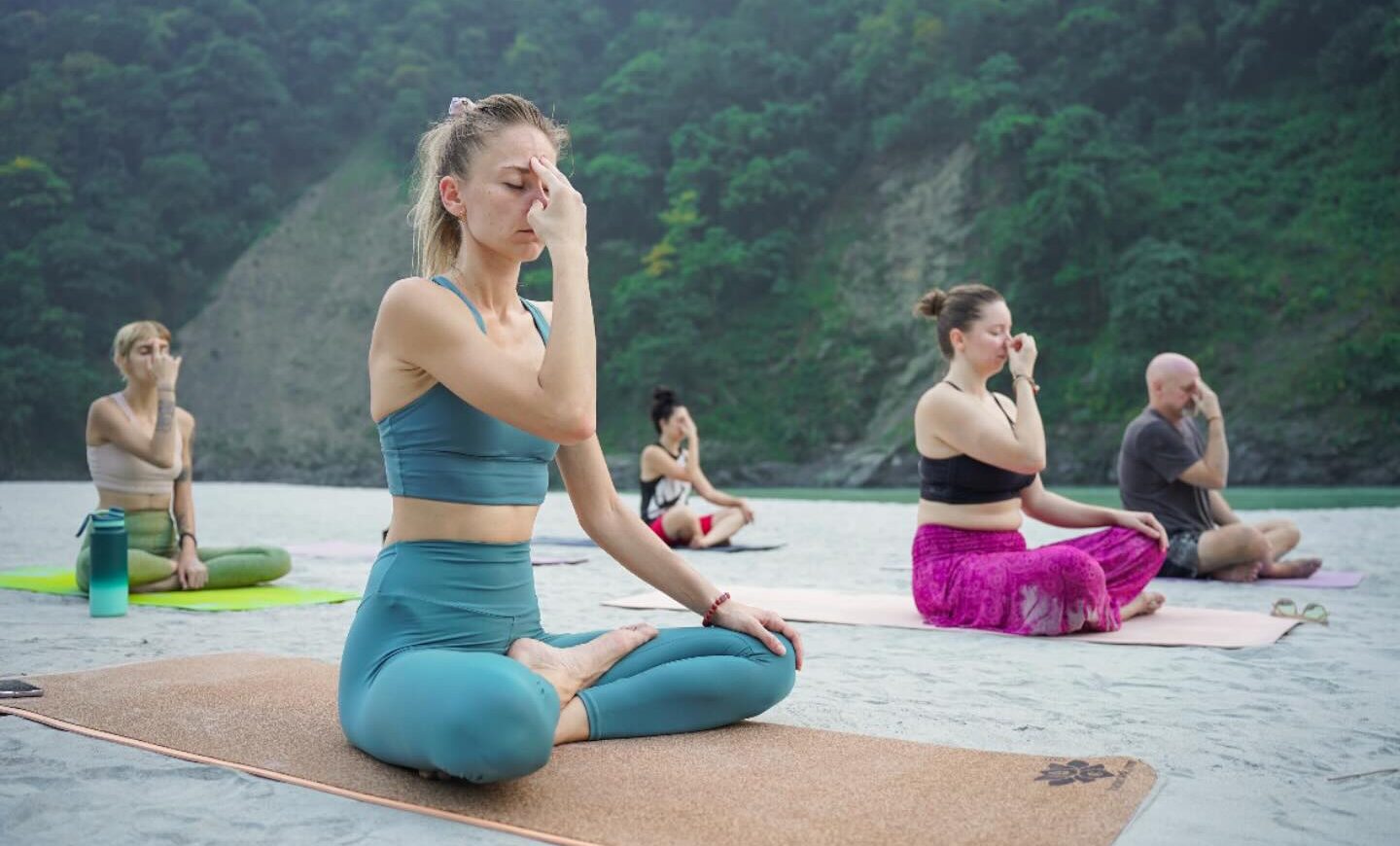
Introduction
Breath is the foundation of yoga. Every movement, posture, and moment of stillness in yoga is guided by the rhythm of the breath. Long before yoga was understood as a physical practice, ancient yogis recognized breathing as a powerful tool for influencing the body, calming the mind, and awakening inner awareness. In modern yoga practice, breath remains the bridge that connects physical effort with mental clarity and emotional balance.
Whether you are holding a steady pose, flowing through a sequence, or sitting quietly in meditation, the quality of your breath shapes your experience. Conscious breathing transforms yoga from simple exercise into a holistic practice that nurtures both inner and outer well-being.
The Importance of Breath in Yoga
In yoga, breath is more than oxygen exchange—it is a source of life energy, known as prana. The way we breathe directly affects our nervous system, heart rate, focus, and emotional state. Shallow or irregular breathing often leads to tension, fatigue, and distraction, while slow, mindful breathing encourages relaxation and presence.
Breath acts as a guide during asana practice, helping practitioners move with control and awareness. Inhaling often creates space and expansion, while exhaling supports grounding and release. By syncing breath with movement, yoga becomes smoother, safer, and more effective, reducing strain and enhancing flexibility and strength.
Beyond physical practice, breath anchors the mind in the present moment. When attention drifts or stress arises, returning to the breath brings clarity and calm. This is why breath awareness is central not only to yoga postures but also to meditation and mindfulness practices.
How Pranayama Supports Mind–Body Balance
Pranayama, the yogic practice of breath regulation, is designed to balance the body’s energy and stabilize the mind. Through controlled breathing patterns, pranayama influences the autonomic nervous system, helping shift the body from a state of stress to one of relaxation and healing.
On a physical level, pranayama improves lung capacity, circulation, and oxygen delivery to tissues. It supports digestion, boosts energy levels, and enhances overall vitality. Mentally, regular pranayama practice reduces anxiety, sharpens concentration, and promotes emotional resilience.
Most importantly, pranayama creates harmony between the body and mind. When breath becomes steady and intentional, thoughts naturally settle, and awareness deepens. This balance allows practitioners to experience yoga not just as a physical discipline, but as a path toward inner calm, self-awareness, and lasting well-being.
Understanding Pranayama
Pranayama is a core component of yoga that goes far beyond simple breathing exercises. It is the conscious regulation of breath designed to influence energy flow, mental clarity, and inner balance. By learning how to breathe with awareness and intention, practitioners gain greater control over both physical vitality and mental states. Understanding pranayama helps bridge the gap between external yoga practices and deeper internal awareness.
What Is Pranayama?
The word pranayama comes from two Sanskrit roots: prana, meaning life force or vital energy, and ayama, meaning extension, expansion, or control. Together, pranayama refers to the practice of expanding and regulating life energy through the breath.
In yoga, breath is seen as the primary vehicle for prana. Pranayama techniques use specific rhythms, depths, and patterns of inhalation, exhalation, and sometimes breath retention to guide this energy throughout the body. Unlike unconscious breathing, pranayama is practiced with intention, precision, and mindfulness, making it a powerful tool for self-regulation and inner transformation.
The Connection Between Breath, Energy, and Awareness
Breath serves as a direct link between the body and the mind. While most bodily functions occur automatically, breathing can be both involuntary and voluntary. This unique quality allows breath to act as a bridge between physical processes and conscious awareness.
When breathing is calm and steady, the mind naturally becomes more focused and relaxed. Conversely, irregular or rapid breathing often reflects mental agitation or emotional stress. Through pranayama, practitioners learn to observe and guide the breath, which in turn helps regulate energy flow and stabilize awareness.
As prana moves smoothly through the body, energy levels improve and mental clarity deepens. This heightened awareness allows practitioners to recognize subtle sensations, emotional patterns, and thought habits, fostering greater self-understanding and mindfulness both on and off the mat.
Pranayama in the Eight Limbs of Yoga
In Patanjali’s Yoga Sutras, pranayama is the fourth limb of the Eightfold Path of yoga, following ethical principles (yamas), personal observances (niyamas), and physical postures (asana). Its placement highlights its importance as a transitional practice between the external and internal aspects of yoga.
Pranayama prepares the practitioner for deeper practices such as sense withdrawal (pratyahara), concentration (dharana), meditation (dhyana), and ultimately self-realization (samadhi). By calming the nervous system and refining awareness, pranayama creates the inner stillness necessary for meditation to arise naturally.
Rather than being separate from other limbs, pranayama supports and enhances the entire yogic path. It strengthens the body for asana, sharpens focus for meditation, and cultivates balance that aligns daily life with yogic principles.
Foundational Breathing Techniques
Foundational breathing techniques form the basis of all pranayama and yoga practices. Before exploring advanced breath control methods, it is essential to understand how to breathe naturally, consciously, and in harmony with the body. These basic techniques cultivate awareness, improve breathing efficiency, and create a stable foundation for both physical postures and meditation.
Natural Yogic Breathing
Natural yogic breathing is the most fundamental and instinctive way of breathing, yet it is often forgotten in daily life due to stress, poor posture, and shallow habits. This style of breathing is slow, deep, and relaxed, allowing the breath to flow effortlessly without force or tension.
In natural yogic breathing, inhalation gently expands the abdomen, ribs, and chest, while exhalation allows the body to soften and release. The breath moves smoothly through the nose, maintaining a calm and steady rhythm. This type of breathing supports optimal oxygen exchange, relaxes the nervous system, and restores a sense of ease in the body.
Practicing natural yogic breathing helps reconnect with the body’s innate intelligence. It encourages relaxation, reduces mental chatter, and prepares the practitioner for more structured pranayama techniques.
Awareness of Breath (Mindful Breathing)
Awareness of breath, often called mindful breathing, focuses on observing the breath exactly as it is, without trying to change it. This practice builds a deep connection between breath and awareness, making it a powerful tool for mindfulness and meditation.
By simply noticing the sensation of air entering and leaving the nostrils, the rise and fall of the chest or abdomen, or the rhythm of each breath, the mind becomes anchored in the present moment. When distractions arise, gently returning attention to the breath strengthens concentration and mental clarity.
Mindful breathing cultivates patience, emotional balance, and self-awareness. It serves as a foundation for all meditative practices and helps develop a calm, steady state of mind that carries into daily life.
Breath and Posture Alignment
Proper posture plays a crucial role in effective breathing. When the spine is aligned and the body is balanced, the lungs can expand fully, allowing breath to flow freely and efficiently. Poor posture, such as slouching or excessive tension, restricts breathing and reduces its benefits.
In yoga, aligning breath with posture enhances both stability and comfort. A lengthened spine, relaxed shoulders, and open chest create space for deeper inhalation, while a grounded and supported posture encourages complete exhalation. Whether seated, standing, or moving through poses, posture and breath work together to support balance and awareness.
Understanding the relationship between breath and alignment helps prevent strain and improves the overall quality of practice. When breath flows naturally through a well-aligned body, yoga becomes a harmonious experience of movement, stillness, and mindful presence.
Beginner-Friendly Pranayama Practices
Beginner-friendly pranayama practices help build awareness of how the breath moves through the body. Many people breathe unconsciously and shallowly due to stress, poor posture, or sedentary habits. These foundational techniques gently retrain the breath, improve breathing efficiency, and prepare the practitioner for more advanced pranayama. Each practice should be performed slowly, comfortably, and without force.
Diaphragmatic (Abdominal) Breathing
Diaphragmatic breathing, also known as abdominal breathing, is the most natural and efficient way to breathe. It engages the diaphragm fully, allowing the lungs to expand deeply and draw in more oxygen with less effort.
How it works:
During inhalation, the diaphragm moves downward, causing the abdomen to gently expand. During exhalation, the abdomen softens and draws inward. The chest and shoulders remain relatively relaxed and still.
Benefits:
This technique calms the nervous system, reduces stress and anxiety, and improves oxygen delivery throughout the body. It supports digestion, lowers heart rate, and promotes deep relaxation. Diaphragmatic breathing is especially helpful for beginners learning to slow and stabilize their breath.
Practice tips:
This practice can be done lying down or seated comfortably. Placing one hand on the abdomen helps develop awareness of the breath’s movement.
Thoracic (Chest) Breathing
Thoracic breathing emphasizes expansion and contraction of the rib cage and chest. While it is less efficient when practiced alone, it plays an important role in increasing lung capacity and breath awareness.
How it works:
As you inhale, the ribs move outward and the chest expands. During exhalation, the chest gently contracts. The abdomen remains relatively stable throughout the breath cycle.
Benefits:
Thoracic breathing increases awareness of the mid-lung region, improves posture-related breathing restrictions, and enhances respiratory control. It is useful for developing breath awareness and strengthening the intercostal muscles between the ribs.
Practice tips:
Maintain an upright posture with relaxed shoulders to avoid tension. This technique should be practiced gently and mindfully, without strain.
Clavicular (Upper Chest) Breathing
Clavicular breathing focuses on the upper chest and collarbone area. It is the shallowest form of breathing and is often associated with stress or anxiety. When practiced consciously and briefly, however, it can help develop full breath awareness.
How it works:
Inhalation lifts the upper chest and collarbones slightly, while exhalation allows them to soften and descend. This breath occurs at the top of the lungs.
Benefits:
Clavicular breathing increases awareness of breath patterns and highlights habits of shallow breathing. It helps practitioners understand breath limitations and prepare for integrated breathing techniques.
Practice tips:
This technique should not be practiced alone for extended periods. Instead, it is best used as a learning tool to recognize upper chest movement within the full breath.
Three-Part Breath (Dirga Pranayama)
Three-Part Breath, or Dirga Pranayama, combines abdominal, thoracic, and clavicular breathing into one smooth, continuous breath. It is one of the most effective beginner practices for developing deep, balanced breathing.
How it works:
Inhalation begins in the abdomen, expands into the rib cage, and finishes in the upper chest. Exhalation reverses this process, releasing from the upper chest, ribs, and abdomen. The breath is slow, fluid, and uninterrupted.
Benefits:
Dirga Pranayama improves lung capacity, enhances breath awareness, and deeply calms the nervous system. It helps release tension, reduces anxiety, and promotes a sense of grounded relaxation. This practice is ideal before meditation, sleep, or restorative yoga.
Practice tips:
Practice in a comfortable seated or lying position. Focus on creating a smooth, wave-like breath without forcing any part of the body.
Calming Breathing Techniques
Calming breathing techniques are designed to soothe the nervous system, quiet the mind, and release physical and emotional tension. These practices are especially helpful during periods of stress, anxiety, restlessness, or before meditation and sleep. By slowing and regulating the breath, calming pranayama techniques encourage relaxation, mental clarity, and inner balance.
Nadi Shodhana (Alternate Nostril Breathing)
Nadi Shodhana is one of the most well-known and widely practiced calming pranayama techniques. The term nadi refers to energy channels in the body, while shodhana means purification or cleansing. This practice is believed to balance the flow of energy between the left and right sides of the body, promoting harmony between the mind and nervous system.
How it is practiced:
The technique involves breathing alternately through one nostril at a time using the fingers to gently close each nostril. Inhalation and exhalation are slow, smooth, and controlled, with equal emphasis on both.
Benefits:
Nadi Shodhana calms the mind, reduces anxiety, and improves focus. It helps regulate the nervous system, lowers stress levels, and supports emotional balance. Regular practice is known to improve mental clarity, enhance lung function, and prepare the mind for meditation.
When to practice:
This technique is ideal in the morning to set a calm tone for the day or in the evening to unwind. It is also beneficial before meditation, exams, or stressful situations.
Chandra Bhedana (Moon-Piercing Breath)
Chandra Bhedana is a cooling and calming breathing technique associated with the lunar energy (chandra). It emphasizes inhaling through the left nostril and exhaling through the right, which is believed to activate calming, restorative qualities in the body.
How it is practiced:
In Chandra Bhedana, the right nostril is gently closed while inhaling through the left nostril. The breath is then released through the right nostril. The breathing is slow and controlled, without strain.
Benefits:
This technique helps reduce excess heat in the body, calm emotional agitation, and promote relaxation. It is particularly useful for individuals experiencing stress, irritability, insomnia, or mental overactivity. Chandra Bhedana also supports lower blood pressure and helps quiet the mind.
When to practice:
Best practiced in the evening, before sleep, or during times of emotional imbalance. It is especially beneficial in hot climates or after intense physical activity.
Bhramari (Bee Breath)
Bhramari, known as Bee Breath, is a deeply soothing pranayama technique that uses sound vibration to calm the mind and nervous system. The gentle humming sound produced during exhalation resembles the buzzing of a bee, creating a calming resonance throughout the head and chest.
How it is practiced:
In Bhramari, the practitioner inhales slowly through the nose and exhales while making a steady humming sound. The ears may be gently closed with the fingers to enhance internal awareness and vibration.
Benefits:
Bhramari is highly effective in reducing anxiety, stress, and anger. It helps relieve mental tension, headaches, and insomnia. The vibrations produced during the practice calm the brain, improve concentration, and create a sense of inner peace.
When to practice:
This technique is ideal before meditation, during moments of emotional overwhelm, or before bedtime. It is safe for beginners and offers immediate calming effects.
Final Note on Calming Pranayama
Calming breathing techniques are gentle yet powerful tools for restoring balance and tranquility. Practicing them regularly can improve emotional resilience, mental clarity, and overall well-being. These techniques are best performed slowly, with awareness and without force, allowing the breath to guide the body and mind into a state of deep relaxation.
Creating a Daily Breathing Practice
Establishing a daily breathing practice is one of the most effective ways to experience the true benefits of pranayama. Unlike occasional practice, consistency allows the nervous system, mind, and body to gradually adapt and respond positively to conscious breathing. A daily routine does not need to be long or complicated—what matters most is regularity, awareness, and ease.
A daily breathing practice creates moments of stillness in an otherwise busy day. It helps cultivate self-awareness, emotional balance, and mental clarity, making breathwork a practical and sustainable tool for long-term well-being.
How Long and How Often to Practice
For beginners, even 5 to 10 minutes a day can be highly beneficial. Starting with short sessions prevents strain and helps build a habit without feeling overwhelming. As comfort and familiarity increase, practice time can gradually extend to 15–30 minutes, depending on individual needs and experience.
Practicing once daily is sufficient for most people, but those seeking deeper benefits may practice twice a day—once in the morning and once in the evening. The key is to listen to the body and avoid forcing the breath. Gentle, relaxed breathing practiced regularly is far more effective than longer sessions done inconsistently.
Best Time of Day for Pranayama
Traditionally, pranayama is practiced in the early morning, when the mind is calm and the environment is quiet. Morning practice helps set a balanced tone for the day, energizing the body while calming the mind.
Evening practice can also be beneficial, especially for stress relief and relaxation. Gentle, calming techniques are ideal before bedtime to promote restful sleep. Pranayama should generally be practiced on an empty or light stomach, allowing the breath to flow freely without discomfort.
Ultimately, the best time to practice is the time you can commit to consistently. Regularity is more important than timing.
Integrating Breathwork into Daily Life
Pranayama does not need to be limited to a yoga mat. Conscious breathing can be woven into everyday activities, making it a practical tool for managing stress and maintaining awareness.
Simple practices such as slowing the breath during moments of tension, taking mindful breaths before responding to challenges, or observing the breath while walking or sitting can have a powerful calming effect. Breath awareness during daily tasks helps maintain emotional balance and prevents stress from accumulating.
By integrating breathwork into daily life, breathing becomes a natural support system rather than a separate practice.
Frequently Asked Questions (FAQs)
Can Beginners Practice All Breathing Techniques?
Beginners can safely practice many basic breathing techniques, such as natural breathing, mindful breathing, and gentle pranayama like Nadi Shodhana. However, advanced or forceful techniques should be learned gradually and preferably under guidance. Listening to the body and practicing with patience is essential for safe progress.
How Is Pranayama Different from Meditation?
Pranayama focuses on regulating and controlling the breath to influence energy and mental states, while meditation emphasizes stillness and awareness of the mind. Pranayama often prepares the body and mind for meditation by calming mental fluctuations. Though distinct, both practices complement each other and work best when practiced together.
Can Breathing Techniques Replace Medical Treatment?
Breathing techniques are supportive practices that enhance overall well-being, reduce stress, and promote balance. However, they should not replace professional medical care or treatment. Pranayama works best as a complementary practice alongside medical advice and healthy lifestyle choices.
Conclusion
Conscious breathing is a lifelong skill that supports physical health, mental clarity, and emotional balance. Through consistent pranayama practice, the breath becomes a powerful guide toward self-awareness and inner calm.
The Lifelong Benefits of Conscious Breathing
Regular breath awareness strengthens the nervous system, improves energy flow, and cultivates resilience in daily life. Over time, conscious breathing enhances focus, emotional stability, and overall vitality, making it an essential tool for holistic wellness.
Encouragement for Consistent Practice
The true benefits of pranayama unfold through steady and patient practice. Start small, remain consistent, and allow the breath to guide you naturally. With time, conscious breathing becomes more than a practice—it becomes a way of living with balance, presence, and ease.