 By DailyYogafactsblog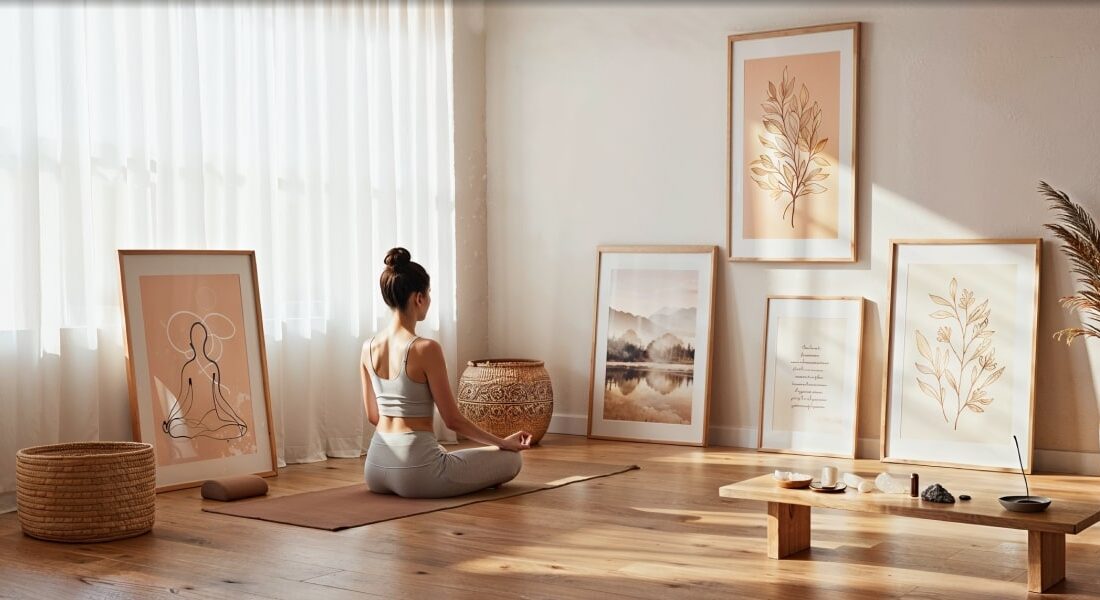
Introduction
In today’s fast-paced and often stressful world, creating a peaceful space at home for yoga is more important than ever. Yoga is not only a physical practice but a holistic journey that integrates the body, mind, and breath. While yoga can technically be practiced anywhere, the environment in which you practice plays a powerful role in shaping your experience. A thoughtfully designed home yoga space becomes a sanctuary—one that invites calm, focus, and self-awareness each time you step onto your mat.
A dedicated yoga space helps you mentally transition from daily responsibilities into a state of presence and relaxation. It signals to your mind and body that it is time to slow down, breathe deeply, and reconnect with yourself. Over time, this space becomes energetically charged with your intention and practice, making it easier to enter a mindful state even on days when motivation feels low. Whether it’s a full room, a quiet corner, or a small area by a window, creating a peaceful yoga space at home can significantly deepen your practice and support overall well-being.
The Importance of a Dedicated Yoga Space
Having a dedicated yoga space is about more than convenience—it is about consistency, intention, and respect for your practice. When you designate a specific area for Yoga Space, you remove the daily decision-making process of “where” to practice. This reduces resistance and excuses, making it easier to show up on your mat regularly. The space itself becomes a habit cue, gently reminding you to practice even during busy or emotionally challenging times.
A dedicated yoga space also creates psychological boundaries. Just as a bedroom signals rest and an office signals work, a yoga space signals mindfulness, movement, and inner awareness. When you step into this space, your mind gradually learns to let go of distractions and external concerns. This separation is especially important in a home environment where work, family responsibilities, and digital devices often compete for attention.
Additionally, a personal yoga space allows you to practice without self-consciousness or interruption. You can move, breathe, rest, and explore your practice freely, without worrying about being observed or disturbed. This sense of safety and privacy encourages deeper exploration—both physically and emotionally. Over time, your yoga space becomes a place of self-care, healing, and reflection, reinforcing the idea that your well-being deserves time and space in your daily life.
How Environment Influences Mindfulness and Practice
The environment in which you practice yoga has a direct impact on your ability to be mindful and present. Mindfulness is the art of paying attention to the present moment without judgment, and external surroundings can either support or disrupt this awareness. A cluttered, noisy, or visually chaotic space can overstimulate the senses, making it difficult to quiet the mind and focus on the breath or bodily sensations.
In contrast, a calm and intentional environment naturally encourages inward attention. Soft lighting, soothing colors, fresh air, and natural elements help regulate the nervous system, promoting relaxation and mental clarity. When the body feels safe and comfortable, the mind is more willing to slow down. This creates an ideal foundation for mindful movement, meditation, and breathwork.
Environmental consistency also strengthens the mind-body connection. Practicing in the same peaceful space each day builds a subconscious association between that environment and a state of calm awareness. Over time, simply entering your yoga space can trigger relaxation and focus, making it easier to settle into your practice. This is particularly helpful for beginners or those who struggle with restlessness and mental chatter.
Moreover, a supportive environment encourages deeper listening—to the breath, to sensations, and to emotions that arise during practice. Without constant external stimulation, you become more attuned to subtle shifts in the body and mind. This heightened awareness not only improves alignment and safety in physical postures but also enhances the emotional and meditative aspects of yoga space. In this way, your environment becomes an active partner in your practice, gently guiding you toward greater presence, balance, and inner peace.
Understanding Your Intention
Before choosing furniture, colors, or décor, it is essential to understand why you want to create a home yoga space. Intention is the foundation of any meaningful yoga practice, and the same principle applies to your environment. Your intention gives direction and purpose to the space, shaping how it feels and how you use it. Without clarity, a yoga space can easily become just another corner of the house rather than a sanctuary for mindful practice.
Take a moment to reflect on what yoga means to you at this stage of your life. Is it a way to reduce stress, improve flexibility, build strength, support emotional healing, or deepen spiritual awareness? Your intention does not need to be fixed forever—it can evolve as you do—but having a clear starting point helps you design a space that truly supports your needs. When your environment reflects your intention, it naturally encourages consistency, focus, and a deeper connection to your practice.
Defining the Purpose of Your Yoga Space
Defining the purpose of your yoga space helps transform it from a physical area into a meaningful practice zone. Some people use their yoga space primarily for physical movement, such as asana practice and stretching, while others use it mainly for meditation, pranayama, or relaxation. Many people combine all of these elements, creating a versatile space that supports multiple aspects of yoga.
Ask yourself how you plan to use the space most often. If your focus is dynamic yoga or strength-based practice, you may need more open floor space, good ventilation, and supportive flooring. If your practice leans toward meditation, breathwork, or restorative yoga, comfort, softness, and minimal stimulation may be more important. The purpose of the space should guide decisions about layout, lighting, sound, and accessories.
Defining the purpose also helps prevent clutter and distraction. When you know what the space is meant for, it becomes easier to say no to unnecessary items that do not serve your practice. This clarity keeps the energy of the space clean and intentional, reinforcing a sense of respect and commitment to your yoga journey.
Aligning the Space with Your Personal Goals
Your yoga space should reflect your personal goals, acting as a visual and emotional reminder of what you are working toward. If your goal is relaxation and stress relief, calming colors, soft textures, and gentle lighting can help soothe the nervous system. If your goal is energy, discipline, or physical strength, brighter light, open space, and minimal décor may feel more supportive.
Alignment between your goals and your environment creates harmony. For example, if you aim to practice regularly but your space feels uncomfortable or uninspiring, motivation may fade over time. On the other hand, a space that resonates with your goals naturally invites you to step onto the mat. Even small elements—such as an inspirational quote, a plant, or a candle—can reinforce your intention and keep you connected to your purpose.
As your goals change, allow your space to change as well. Yoga is a living practice, and your environment should evolve with you. Periodically reassessing your goals and adjusting your space helps keep it fresh, relevant, and supportive of your growth.
Choosing the Right Location
Choosing the right location for your home yoga space is a practical yet deeply personal decision. The ideal location is one that allows you to practice with minimal interruption and maximum comfort. While not everyone has the luxury of a separate yoga room, a well-chosen spot can still provide a sense of calm and focus.
When selecting a location, consider factors such as noise levels, lighting, airflow, and privacy. A space that feels physically comfortable will make it easier to relax and stay present. The goal is not perfection but suitability—finding a place that works with your lifestyle rather than against it.
Finding a Quiet and Comfortable Area
A quiet and comfortable area is essential for cultivating mindfulness. Excessive noise, foot traffic, or interruptions can pull your attention outward, making it difficult to stay connected to your breath and body. Look for a space that feels relatively removed from household activity, such as a spare room, a bedroom corner, or a low-traffic area of the living room.
Comfort is just as important as quiet. The floor should be supportive enough for standing poses but gentle enough for seated and lying postures. Good ventilation and a comfortable temperature help prevent restlessness or discomfort during practice. Natural light, if available, can enhance mood and energy, while curtains or blinds can help you control brightness when needed.
Creating comfort is also about emotional ease. Choose a space where you feel safe, relaxed, and at ease. When your body and mind feel comfortable, they are more willing to let go and fully engage in the practice.
Small Spaces vs. Dedicated Rooms
A peaceful yoga space does not require a large room. Small spaces can be just as effective—sometimes even more so—when designed with intention. A small corner with enough room for a yoga mat and free movement can become a powerful personal sanctuary. The key is to keep the area uncluttered and reserved specifically for yoga, even if it shares space with other activities.
Dedicated rooms, on the other hand, offer greater flexibility and immersion. They allow you to leave your mat, props, and décor in place, making it easier to begin practice without setup or cleanup. A dedicated room can also feel more ritualistic, reinforcing the idea that yoga is a valued and protected part of your life.
Both options are valid. What matters most is how the space makes you feel and how well it supports your consistency and focus. Even in a small or shared space, clear boundaries and intentional use can create a deep sense of peace and purpose.
Practicing Yoga Indoors vs. Outdoors
Choosing between indoor and outdoor practice depends on personal preference, climate, and lifestyle. Indoor yoga spaces offer consistency, privacy, and control over environmental factors such as temperature, lighting, and noise. This stability can be especially helpful for maintaining a regular practice and for practices that require stillness and focus, such as meditation or restorative yoga.
Outdoor yoga, on the other hand, offers a powerful connection to nature. Practicing in a garden, balcony, terrace, or park can enhance mindfulness by engaging the senses—feeling the breeze, hearing birds, and absorbing natural light. Nature has a calming and grounding effect that many people find deeply nourishing for both body and mind.
However, outdoor practice may come with challenges such as weather changes, noise, and uneven surfaces. For this reason, many practitioners enjoy a balance—using an indoor space as their primary practice area while occasionally practicing outdoors when conditions allow. Both options can support a meaningful yoga practice when approached with awareness and intention.
Creating a Clutter-Free Environment
A clutter-free environment is one of the most important foundations of a peaceful home yoga space. Clutter does not only occupy physical space—it also occupies mental space. When your surroundings are crowded with unnecessary objects, your mind is constantly processing visual information, even if you are not consciously aware of it. This mental noise can make it difficult to relax, focus on the breath, and fully immerse yourself in your practice.
Creating a clean and open space allows energy to flow more freely and helps establish a sense of order and calm. When you step onto your mat in a clutter-free area, there is an immediate feeling of lightness and clarity. The space feels intentional, inviting, and supportive of mindful movement and stillness. Even a small area can feel expansive when it is free from excess items and distractions.
Decluttering for Mental Calm
Decluttering is a powerful practice that directly supports mental calm and emotional balance. The act of removing unnecessary items creates both physical and psychological relief. As you clear your yoga space, you are also symbolically letting go of distractions, stress, and mental overload. This process can be deeply therapeutic, helping you reconnect with simplicity and presence.
Start by removing anything that does not serve your yoga practice or sense of peace. This may include unused furniture, decorative items that feel distracting, or everyday objects that belong elsewhere in the home. Keep only what is essential or meaningful. Each item in your yoga space should have a purpose, whether functional or inspirational.
Maintaining decluttered surroundings also supports consistency in practice. A tidy space requires less preparation and effort, reducing resistance to beginning your session. Over time, the calm and clarity of the environment begin to mirror your internal state, reinforcing mindfulness and emotional balance both on and off the mat.
Minimalism and Its Role in Yoga Practice
Minimalism aligns naturally with the philosophy of yoga, which emphasizes simplicity, awareness, and non-attachment. A minimalist yoga space encourages you to focus inward rather than being distracted by external objects. By intentionally limiting what you include in the space, you create an environment that supports clarity, discipline, and presence.
Minimalism does not mean emptiness or lack of warmth. Instead, it is about choosing fewer items with greater intention. A yoga mat, a few supportive props, and one or two meaningful elements—such as a plant or a candle—can be enough to create a nourishing atmosphere. This simplicity allows your attention to remain on the breath, movement, and inner experience.
Practicing yoga in a minimalist environment also reinforces the idea that contentment does not come from accumulation. It encourages gratitude for what you already have and deepens your connection to the present moment. Over time, this mindful approach to space can influence other areas of life, promoting balance, clarity, and intentional living.
Organizing Yoga Props Mindfully
Mindful organization of yoga props helps maintain a sense of order and ease in your practice space. When props are stored neatly and accessibly, your practice flows more smoothly, without interruptions or frustration. This supports both physical safety and mental focus.
Choose simple storage solutions that blend seamlessly with your space, such as baskets, shelves, or storage boxes made from natural materials. Keep frequently used items within easy reach, and store less-used props out of sight to reduce visual clutter. Rolling mats neatly, stacking blocks evenly, and folding blankets with care can become part of your yoga ritual.
Organizing props mindfully is also an act of respect for your practice. Treating your equipment with care reinforces the idea that yoga is not rushed or careless, but intentional and meaningful. This sense of order creates a welcoming environment that encourages regular, mindful practice.
Lighting for a Calm Atmosphere
Lighting plays a crucial role in setting the tone and energy of your yoga space. The quality and intensity of light can influence mood, focus, and relaxation. Harsh or overly bright lighting can feel stimulating and disruptive, while soft, warm lighting promotes calmness and introspection.
A well-lit yoga space should feel soothing rather than overpowering. The goal is to create an atmosphere that supports both active movement and quiet stillness. By thoughtfully choosing and adjusting lighting, you can transform even a simple room into a serene and inviting sanctuary.
Natural Light and Its Benefits
Natural light is one of the most powerful and beneficial elements you can incorporate into your yoga space. Sunlight supports natural circadian rhythms, boosts mood, and enhances energy levels. Practicing yoga in natural light can help you feel more awake, balanced, and connected to the natural world.
Positioning your yoga space near a window allows sunlight to gently fill the room, creating a sense of openness and vitality. Morning light is especially energizing, making it ideal for dynamic practices, while softer afternoon light can support slower, more reflective sessions. Curtains or blinds can be used to diffuse light and prevent glare when needed.
Natural light also brings a sense of freshness and authenticity to your practice. It helps you stay grounded in the present moment and fosters a deeper connection between your internal awareness and the external environment.
Artificial Lighting Options (Lamps, Candles, String Lights)
When natural light is limited or unavailable, artificial lighting becomes essential. The key is to choose options that mimic the softness and warmth of natural light. Floor lamps, table lamps, and wall-mounted lights with warm bulbs create a gentle glow that feels calming rather than harsh.
Candles are a popular choice for yoga and meditation spaces, as their flickering light naturally draws attention and promotes relaxation. They can be used safely during seated or restorative practices to enhance focus and create a sacred atmosphere. String lights or fairy lights add a subtle, soothing ambiance and are particularly effective in small or shared spaces.
Each lighting option can be layered to create depth and flexibility. Having multiple light sources allows you to adjust brightness based on the type of practice you are doing, supporting both movement and stillness.
Using Light to Set the Mood
Light has a powerful influence on emotional and mental states, making it a valuable tool for setting the mood of your yoga practice. Bright, open lighting can energize and motivate, while dim, warm lighting encourages relaxation and introspection. By consciously adjusting light, you can align the environment with your intention for each session.
Before beginning practice, take a moment to notice how the lighting makes you feel. Adjust it as needed to support your mood and goals. Over time, this mindful use of light becomes part of your yoga ritual, signaling to your body and mind that it is time to shift into a state of awareness and calm.
Using light intentionally transforms your yoga space into more than just a physical area—it becomes an atmosphere that nurtures presence, balance, and inner peace.
Creating a Simple Home Yoga Ritual
A home yoga ritual transforms your practice from a casual activity into a meaningful, grounding experience. Rituals provide structure and intention, helping your mind and body shift from daily distractions into a state of presence and awareness. A simple ritual does not need to be elaborate or time-consuming; its power lies in consistency and mindfulness.
By repeating the same small actions before and after each session, you train your nervous system to recognize that it is time to slow down and turn inward. Over time, these rituals deepen your connection to your practice, making it easier to focus, relax, and fully benefit from your time on the mat.
Preparing the Space Before Practice
Preparing your yoga space before practice is an essential part of your ritual. This preparation signals respect for your practice and helps clear both physical and mental clutter. Begin by tidying the area—straightening the mat, organizing props, and removing distractions. Even a minute or two of preparation can create a noticeable shift in energy.
You may choose to open a window for fresh air, adjust the lighting, or light a candle to set the mood. Some practitioners like to play soft music or sit quietly for a few breaths before beginning. These small actions help you transition from the busyness of daily life into a calmer, more focused state.
Preparation is also an opportunity to check in with yourself. Notice how your body feels, how your breath is moving, and what your intention is for the practice. This mindful pause sets the tone for a more conscious and nourishing session.
Transitioning In and Out of Your Session
The way you enter and exit your yoga practice is just as important as the practice itself. Transitioning in mindfully allows you to arrive fully, while transitioning out helps you integrate the benefits into daily life.
At the beginning of your session, take a few moments to sit or stand in stillness. Focus on your breath, set an intention, or simply observe how you feel. This gentle arrival helps quiet mental chatter and prepares your body and mind for movement or meditation.
At the end of your practice, resist the urge to rush back into activity. Spend a few moments in stillness—such as Savasana or seated meditation—to absorb the effects of your practice. When you finish, roll up your mat slowly, tidy the space, and take one last deep breath. These closing actions help carry the calm, awareness, and balance of yoga into the rest of your day.
Encouraging Consistency and Presence
Consistency is more important than duration or intensity when it comes to yoga. A peaceful home yoga space and a simple ritual make it easier to show up regularly, even on busy or low-energy days. When your space is ready and inviting, there is less resistance to beginning practice.
Presence naturally follows consistency. As you practice regularly in the same supportive environment, your body and mind learn to settle more quickly. Over time, you may find that even short sessions feel deeply nourishing because you are fully present.
Approach your practice with gentleness rather than pressure. Some days your practice may be strong and energetic, while other days it may be slow and quiet. Honoring what you need in each moment reinforces mindfulness and self-compassion, which are at the heart of yoga.
Common Mistakes to Avoid
Creating a home yoga space is a personal process, but certain common mistakes can limit its effectiveness. Being aware of these pitfalls helps you design a space that truly supports your practice rather than complicating it.
Overdecorating the Space
One of the most common mistakes is overdecorating. While it can be tempting to add many decorative or spiritual items, too much visual stimulation can become distracting. A crowded space may look beautiful but can pull your attention outward, making it harder to focus inward.
Choose a few meaningful elements rather than many decorative ones. Simplicity supports clarity and calm. Remember that the purpose of the space is to support practice, not to impress or follow trends.
Ignoring Comfort and Functionality
A visually pleasing space is not helpful if it is uncomfortable or impractical. Ignoring comfort—such as poor flooring, limited movement space, or uncomfortable temperatures—can disrupt your practice and increase the risk of strain or injury.
Functionality should always come first. Ensure there is enough room to move freely, adequate ventilation, and proper support for your body. Comfort allows your attention to remain on breath and awareness rather than physical discomfort.
Inconsistency in Use
Another common challenge is creating a beautiful yoga space but rarely using it. Without regular use, the space loses its purpose and energetic presence. Inconsistency often comes from unrealistic expectations or overly complex routines.
Keep your practice simple and accessible. Even a few minutes a day helps build a habit and strengthens the connection between you and your space. Regular use transforms the area into a living part of your daily life rather than a forgotten corner.
Frequently Asked Questions (FAQs)
Can I Create a Yoga Space in a Small Apartment?
Yes, absolutely. A yoga space does not need to be large. A small corner, a section of the living room, or even space beside your bed can work beautifully. The key is intention, minimal clutter, and consistency. Even small spaces can feel peaceful when thoughtfully arranged.
How Much Does It Cost to Set Up a Home Yoga Space?
Creating a home yoga space can be very affordable. At its simplest, all you need is a yoga mat and a quiet area. Additional items such as props, cushions, or lighting can be added gradually based on your needs and budget. A meaningful space comes from intention, not expense.
Do I Need Spiritual Items for My Yoga Space?
No, spiritual items are not required. Yoga can be practiced in a completely simple and neutral environment. If spiritual or symbolic objects resonate with you, you may include them, but they are optional. The most important elements are comfort, calm, and a sense of presence.
Conclusion
The Long-Term Benefits of a Peaceful Home Yoga Space
A peaceful home yoga space offers long-term benefits that extend beyond physical fitness. It supports mental clarity, emotional balance, and a deeper connection to yourself. Over time, the space becomes a sanctuary—a place where you can return to stillness, strength, and self-awareness no matter what is happening in the outside world.
Regular practice in a supportive environment helps reduce stress, improve focus, and cultivate resilience. The consistency of returning to your space builds discipline and self-trust, reinforcing yoga as a lifelong practice rather than a temporary habit.
Encouragement to Begin with What You Have
You do not need the perfect room, expensive equipment, or ideal conditions to begin. Start with what you have and where you are. A simple mat, a quiet corner, and a few mindful breaths are enough.
As you practice, your space will naturally evolve to reflect your needs and intentions. What matters most is showing up with awareness and openness. Begin today, and allow your peaceful home yoga space to grow alongside your practice.