 By DailyYogafactsblog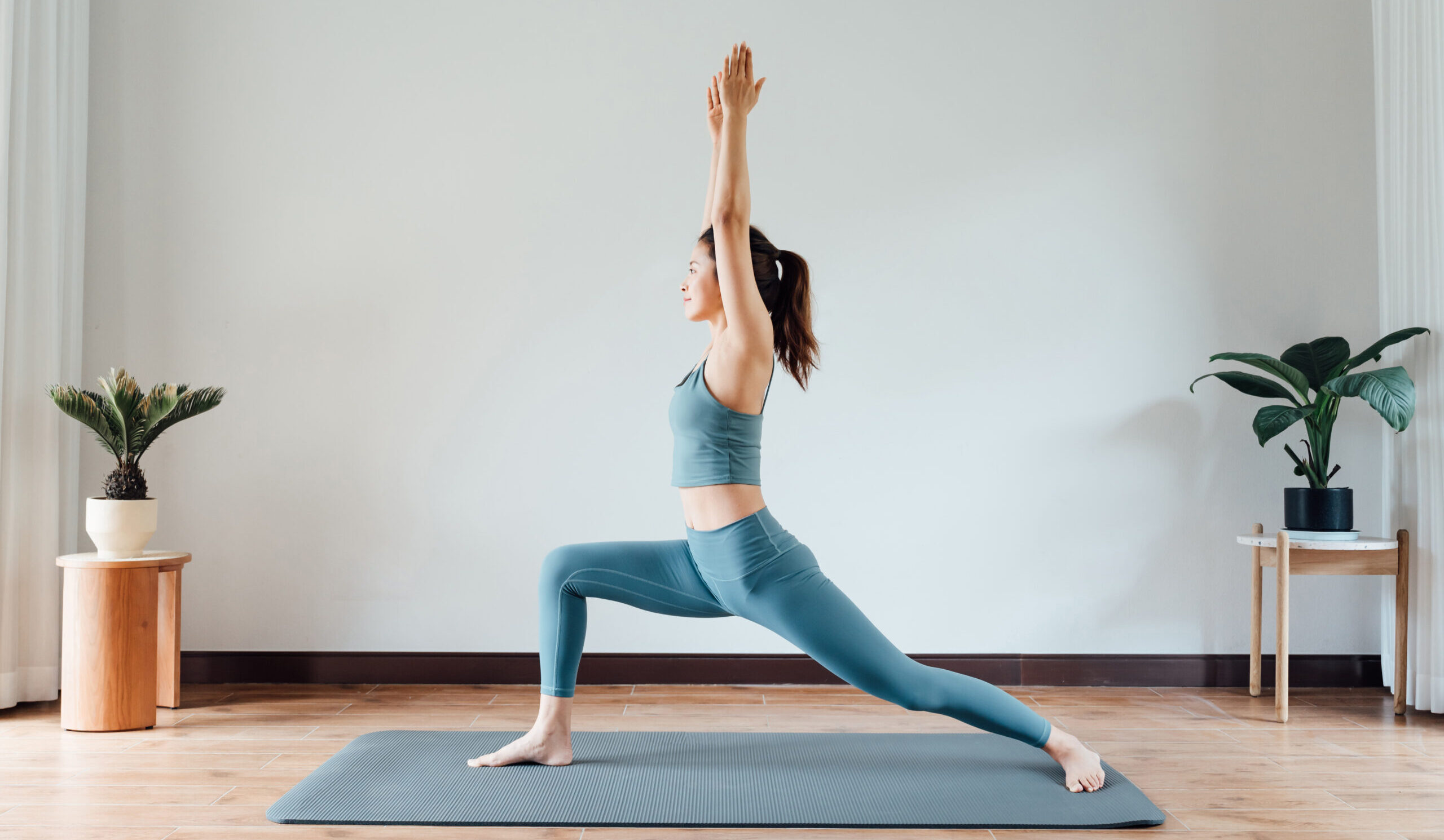
Introduction
Posture is more than just the way we sit or stand—it is a reflection of how our body supports itself against gravity throughout the day. In modern life, where long hours are spent sitting at desks, using smartphones, and working on screens, posture has become an often-overlooked aspect of overall health. Poor posture develops gradually and silently, yet it can have profound effects on physical comfort, movement efficiency, breathing, mental focus, and long-term musculoskeletal health. Understanding posture and recognizing its importance is the first step toward making positive, sustainable changes through practices like yoga.
Why Posture Matters in Modern Life
In today’s fast-paced world, most daily activities place the body in static or repetitive positions. Sitting for extended periods, leaning forward to look at screens, and carrying stress in the shoulders and neck have become normal habits. Posture matters because it determines how efficiently the body moves and functions during these activities.
Good posture allows the spine to maintain its natural curves, reducing unnecessary strain on muscles, joints, and ligaments. When the body is properly aligned, muscles work in balance rather than being overworked or underused. This improves energy efficiency, reduces fatigue, and supports better breathing and circulation.
Beyond physical benefits, posture also influences mental and emotional states. An upright, open posture can improve confidence, focus, and mood, while slouched or collapsed postures are often associated with low energy, stress, and mental fatigue. In a modern lifestyle filled with sedentary habits and constant stimulation, maintaining good posture becomes essential for both physical well-being and mental clarity.
The Growing Problem of Poor Posture
Poor posture has become increasingly common due to lifestyle changes driven by technology and work environments. Prolonged sitting, excessive smartphone use, and lack of regular movement contribute to postural imbalances that develop over time. Many people spend hours hunched over laptops or looking down at their phones, reinforcing patterns such as rounded shoulders, forward head posture, and a slouched upper back.
Another contributing factor is reduced physical activity. When movement is limited, muscles that support proper posture—such as the core, glutes, and upper back—become weak, while other muscles become tight and overactive. This imbalance makes it difficult for the body to naturally maintain healthy alignment.
Stress also plays a significant role. Emotional tension often manifests physically, causing the shoulders to lift, the jaw to tighten, and the chest to collapse. Over time, these stress-induced patterns become habitual, further worsening posture. The growing prevalence of neck pain, back pain, and tension headaches is closely linked to these postural issues, making poor posture a widespread and serious concern in modern society.
Understanding Posture
Posture refers to the alignment and positioning of the body in relation to gravity while standing, sitting, or moving. It involves the coordinated interaction of bones, muscles, joints, and the nervous system. Good posture is not about holding the body rigidly in one position but about maintaining balance and adaptability with minimal strain.
Healthy posture allows the body to move efficiently and respond to changes in position without discomfort. It supports optimal function of internal systems, including respiration and circulation, while protecting the spine and joints from excessive wear. Understanding posture means recognizing that it is dynamic—constantly adjusting as we move, rest, and interact with our environment.
What Is Good vs. Bad Posture?
Good posture is characterized by proper alignment of the head, shoulders, spine, hips, knees, and ankles. When viewed from the side, the ears are aligned over the shoulders, the shoulders over the hips, and the spine maintains its natural curves. Muscles are engaged just enough to support the body without excessive tension, allowing for ease of movement and stability.
Bad posture, on the other hand, occurs when this alignment is disrupted. Common examples include a forward head position, rounded shoulders, an exaggerated curve in the lower back, or a collapsed chest. In these positions, some muscles become overstretched and weak, while others become tight and overactive. This imbalance places extra stress on joints and connective tissues, increasing the risk of pain, stiffness, and injury.
Over time, bad posture can become the body’s default setting, making it harder to return to healthy alignment without conscious effort or corrective practices such as yoga.
Common Causes of Poor Posture
Several factors contribute to poor posture, often working together rather than in isolation. One of the most significant causes is prolonged sitting, especially in poorly designed workspaces that do not support natural spinal alignment. Sitting for long hours shortens the hip flexors and weakens the core and glute muscles, leading to postural collapse.
Technology use is another major contributor. Frequent smartphone and laptop use encourages forward head posture and rounded shoulders, placing excessive strain on the neck and upper back. Lack of movement and exercise further exacerbates these issues by weakening postural muscles and reducing mobility.
Stress and emotional tension also influence posture. When under stress, people often unconsciously tighten their shoulders, hold their breath, or slump forward. Over time, these patterns become ingrained. Additionally, poor body awareness and lack of education about posture mean many people are unaware of their alignment habits until pain or discomfort arises.
Effects of Poor Posture on the Body and Mind
The effects of poor posture extend far beyond occasional aches and pains. Physically, poor posture can lead to chronic neck, shoulder, and lower back pain, reduced joint mobility, muscle imbalances, and increased risk of injury. It can also interfere with breathing by compressing the chest and diaphragm, leading to shallow breathing and reduced oxygen intake.
Internally, poor posture can affect circulation and digestion, as compressed organs and restricted blood flow reduce overall efficiency. Over time, these issues can contribute to fatigue and reduced physical performance.
Mentally and emotionally, posture plays a powerful role. Slouched or collapsed postures are often associated with lower confidence, increased stress, and decreased focus. Poor posture can reinforce feelings of fatigue and tension, while an upright, balanced posture supports alertness, emotional stability, and a sense of well-being.
By understanding the wide-ranging impact of posture on both body and mind, it becomes clear why addressing postural habits through mindful practices like yoga is essential for long-term health and quality of life.
The Mind–Body Connection in Yoga
One of yoga’s greatest strengths lies in its ability to connect the mind and body. Unlike many forms of exercise that focus only on physical output, yoga emphasizes awareness, intention, and internal sensation. This mind–body connection is essential for improving posture because posture is not just a physical habit—it is also a neurological one. The way you hold your body is influenced by how aware you are of it throughout the day.
Through mindful movement and stillness, yoga trains the nervous system to recognize both misalignment and balance. Over time, this awareness allows you to notice subtle postural habits, such as slouching while sitting or lifting the shoulders during stress. By becoming more conscious of these patterns, you can gently correct them rather than forcing the body into rigid positions. This creates sustainable postural improvement that feels natural rather than strained.
How Body Awareness Improves Alignment
Body awareness, often referred to as proprioception, is the ability to sense where your body is in space. Many postural problems arise simply because people are unaware of how they are holding themselves. Yoga poses encourage slow, deliberate movements and moments of stillness, giving you the opportunity to feel how each part of the body is aligned.
As you practice yoga, you begin to notice differences between balanced and unbalanced positions. You learn how weight is distributed through your feet, how the pelvis influences the spine, and how the position of the head affects the neck and shoulders. This awareness carries over into daily life, helping you sit, stand, and move with better alignment even outside of your practice.
Over time, improved body awareness reduces unconscious slouching and compensatory movements. Instead of relying on external reminders to “sit up straight,” the body naturally seeks alignment because it feels more stable and comfortable.
Breathing and Its Role in Postural Control
Breathing is deeply connected to posture, and yoga uniquely integrates breath with movement. Poor posture often restricts the chest and diaphragm, leading to shallow breathing. In turn, shallow breathing reinforces tension in the neck, shoulders, and upper back, creating a cycle of poor alignment and reduced respiratory efficiency.
Yoga teaches diaphragmatic breathing, which encourages the breath to expand into the rib cage and abdomen rather than remaining shallow in the chest. This type of breathing supports postural muscles by activating the deep core, including the diaphragm and transverse abdominis. When these muscles work together, they help stabilize the spine and support upright posture.
Conscious breathing also helps release unnecessary tension. As the breath deepens and becomes more rhythmic, the nervous system shifts toward a relaxed state. This allows tight muscles to soften and lengthen, making it easier to maintain proper alignment without force.
How Yoga Improves Posture
Yoga improves posture through a balanced combination of strength, flexibility, mobility, and awareness. Instead of isolating muscles, yoga poses work the body as an integrated system, encouraging harmonious movement and alignment. This holistic approach addresses the root causes of poor posture rather than just the symptoms.
By practicing regularly, the body learns new movement patterns that support the spine and joints. These patterns gradually replace habitual postural imbalances, leading to improved comfort, stability, and confidence in everyday activities.
Strengthening Postural Muscles
Strong postural muscles are essential for maintaining good alignment throughout the day. Yoga strengthens key muscle groups that often become weak due to prolonged sitting or inactivity, including the core, glutes, upper back, and deep spinal stabilizers.
Poses that require balance and stability gently activate these muscles without excessive strain. Unlike high-impact exercises, yoga builds strength in a controlled and mindful way, reducing the risk of injury. As postural muscles become stronger, they are better able to support the spine and hold the body upright with less effort.
This strength also improves endurance, making it easier to maintain good posture for longer periods without fatigue or discomfort.
Improving Spinal Alignment
The spine is central to posture, and yoga places a strong emphasis on spinal health. Through a variety of forward bends, backbends, twists, and neutral poses, yoga encourages the spine to move through its full range of motion. This nourishes the spinal discs, improves circulation, and supports natural alignment.
Yoga also helps restore the spine’s natural curves, which are often altered by poor posture. By gently decompressing the spine and encouraging length and balance, yoga reduces excessive strain on specific areas such as the neck and lower back.
With regular practice, the spine becomes more resilient and adaptable, allowing for better posture in both static positions and dynamic movements.
Enhancing Flexibility and Mobility
Tight muscles are a major contributor to poor posture. When certain muscles become shortened—such as the chest, hip flexors, or hamstrings—they pull the body out of alignment. Yoga addresses this by promoting flexibility and mobility in a balanced way.
Rather than overstretching, yoga encourages gradual lengthening combined with strength. This helps muscles release tension while maintaining joint stability. Improved mobility allows the body to move more freely, reducing compensations that lead to postural strain.
As flexibility increases, it becomes easier to sit and stand with proper alignment without feeling restricted or uncomfortable.
Correcting Muscle Imbalances
Postural problems often stem from muscle imbalances, where some muscles are overactive and tight while others are weak and underused. Yoga is particularly effective at identifying and correcting these imbalances through symmetrical and asymmetrical poses.
By working both sides of the body evenly and encouraging mindful engagement, yoga helps restore balance between opposing muscle groups. Over time, this reduces uneven strain on the spine and joints, allowing the body to return to a more natural, aligned posture.
Correcting muscle imbalances not only improves posture but also enhances overall movement quality, reducing the risk of chronic pain and injury while supporting long-term musculoskeletal health.
Key Yoga Poses for Better Posture
Yoga offers a wide range of poses that directly support better posture by strengthening weak muscles, stretching tight areas, and increasing body awareness. The following poses are especially effective because they target the spine, core, shoulders, and hips—key areas involved in maintaining healthy alignment. When practiced mindfully and consistently, these poses help retrain the body to sit, stand, and move with greater ease and balance.
Mountain Pose (Tadasana)
Mountain Pose may look simple, but it is one of the most powerful postural poses in yoga. It teaches you how proper alignment feels in a standing position and serves as the foundation for many other poses.
In Tadasana, the feet are grounded evenly into the floor, encouraging balanced weight distribution. The legs are active but not locked, which supports the knees and hips. The pelvis is gently aligned so the lower back maintains its natural curve, while the rib cage stacks comfortably over the pelvis. The shoulders relax down and back, opening the chest, and the head aligns directly over the spine.
This pose strengthens the legs, core, and deep spinal muscles while improving awareness of the entire body. Practicing Mountain Pose regularly helps correct habits such as slouching, leaning to one side, or carrying the head too far forward. It also encourages a sense of calm, confident posture that carries over into daily life.
Cat–Cow Stretch
The Cat–Cow stretch is a gentle, dynamic movement that improves spinal mobility and awareness. It is particularly helpful for counteracting stiffness caused by prolonged sitting and poor posture.
As you move between Cat and Cow, the spine alternates between flexion and extension. In Cat Pose, the back rounds gently, stretching the muscles of the upper back and neck while encouraging release of tension. In Cow Pose, the chest opens, the shoulders draw back, and the spine gently arches, strengthening the back muscles and improving awareness of spinal alignment.
This flowing movement improves coordination between breath and movement, helping the nervous system relax while increasing flexibility. Cat–Cow also teaches you how to move the spine safely and intentionally, which is essential for maintaining healthy posture throughout the day.
Cobra and Upward-Facing Dog
Cobra Pose and Upward-Facing Dog are backbends that play a crucial role in improving posture, especially for those with rounded shoulders and a collapsed chest.
Cobra Pose gently strengthens the muscles along the spine while opening the chest and shoulders. By lifting the chest without excessive pressure on the lower back, Cobra helps counteract forward head posture and slouching. It encourages length through the front of the body while building strength in the back muscles.
Upward-Facing Dog is a more intense variation that further strengthens the arms, shoulders, and back while deeply opening the chest and hip flexors. This pose promotes spinal extension and helps reverse the effects of prolonged sitting. Both poses improve awareness of how to lift and support the chest without compressing the lower back, which is essential for safe and effective posture correction.
Bridge Pose
Bridge Pose is an excellent posture-supporting pose that strengthens the posterior chain, including the glutes, hamstrings, and spinal muscles. These muscles are often weak due to extended periods of sitting, contributing to poor posture and lower back discomfort.
In Bridge Pose, lifting the hips encourages proper pelvic alignment and spinal extension. The chest opens, the shoulders roll back, and the neck stays neutral, promoting healthy alignment of the spine. This pose also stretches the hip flexors and chest muscles, which often become tight and pull the body into a slouched position.
Regular practice of Bridge Pose helps restore balance between the front and back of the body, supporting a more upright and stable posture both while standing and sitting.
Plank and Side Plank
Plank and Side Plank are powerful poses for building core strength, which is essential for maintaining good posture. A strong core supports the spine and reduces unnecessary strain on the neck and lower back.
In Plank Pose, the body forms a straight line from head to heels, requiring engagement of the abdominal muscles, shoulders, and legs. This pose trains the body to maintain neutral spinal alignment under load, which directly translates to better posture in everyday movements.
Side Plank adds a rotational element, strengthening the oblique muscles and improving lateral stability. This helps correct imbalances between the left and right sides of the body, which often contribute to uneven posture.
Together, these poses build strength, endurance, and awareness, making it easier to maintain proper alignment without excessive effort.
Practicing these key yoga poses consistently creates a strong foundation for improved posture. Over time, they help the body move more efficiently, reduce tension, and develop a natural sense of balance and alignment that supports long-term spinal health.
How Long It Takes to See Postural Improvements
Improving posture is not an overnight process. Since poor posture often develops over months or years, retraining the body to stand, sit, and move in healthier alignment requires patience, consistency, and mindful practice. The exact timeline varies depending on factors such as age, lifestyle, severity of postural imbalances, and frequency of yoga practice.
For many people, noticeable improvements in posture can be observed within 4–6 weeks of regular practice, especially if yoga is performed 3–5 times per week. Early changes often include increased body awareness, reduced tension in the neck and shoulders, and a feeling of greater stability. More significant structural changes, such as improved spinal alignment, strengthened postural muscles, and corrected muscle imbalances, may take 2–3 months or longer.
The key to success is balancing consistency with mindful effort. Short, daily sessions that focus on alignment and proper engagement often yield better results than occasional intense workouts. Small, sustainable adjustments in daily habits—like taking breaks from sitting, standing mindfully, and engaging the core—reinforce the benefits of yoga practice and accelerate postural improvements.
Consistency vs. Intensity
When it comes to improving posture, consistency is far more important than intensity. Unlike strength training or high-intensity workouts, postural correction relies on repetitive, controlled movements and prolonged awareness of alignment. Yoga supports this approach by promoting slow, mindful exercises that strengthen weak muscles, stretch tight areas, and enhance body awareness over time.
Intense or forceful stretching without proper engagement can sometimes worsen postural imbalances or create tension in other areas of the body. For example, trying to force a backbend without sufficient core strength may strain the lower back rather than improve posture. On the other hand, gentle, consistent practice gradually retrains the muscles, nervous system, and habits, resulting in sustainable improvements.
In essence, practicing yoga consistently, even for 10–20 minutes per day, often produces better postural benefits than irregular or overly strenuous sessions. The combination of awareness, strength, and mobility—practiced consistently—is what leads to lasting postural change.
Signs Your Posture Is Improving
Recognizing progress can help maintain motivation and reinforce good habits. Some signs that your posture is improving include:
- Reduced Neck, Shoulder, and Back Tension: Muscles feel less tight, and discomfort from long hours of sitting decreases.
- Easier Sitting and Standing: Maintaining an upright, neutral spine feels natural rather than forced.
- Improved Balance: Enhanced stability and confidence when standing, walking, or performing yoga poses.
- Better Breathing: Chest expansion and diaphragmatic breathing improve, allowing deeper, more effortless breaths.
- Enhanced Body Awareness: You notice when you begin to slouch or lean and can correct it quickly.
- Visible Alignment Changes: Shoulders roll back naturally, head aligns over the spine, and the natural curves of the spine become more balanced.
These changes are often subtle at first but become more noticeable as the body adapts over time. Tracking progress through mirrors, photos, or mindful check-ins can help reinforce these improvements.
Who Can Benefit From Posture-Focused Yoga
Posture-focused yoga is versatile and beneficial for a wide range of people. It is not limited to a specific age group or fitness level; anyone can experience positive changes when they practice mindfully and consistently.
Office Workers
Office workers spend hours sitting at desks, often in poorly supported positions. This can lead to forward head posture, rounded shoulders, and tight hips. Yoga helps counteract the effects of prolonged sitting by strengthening the back, stretching the chest and hip flexors, and increasing awareness of posture throughout the day. Desk-friendly yoga stretches and brief posture breaks can be especially helpful in maintaining alignment during work hours.
Athletes and Fitness Enthusiasts
Athletes often focus on performance in specific areas, which can create muscular imbalances. For example, runners may have tight hip flexors, while weightlifters may overdevelop certain muscle groups. Yoga for posture addresses these imbalances by improving spinal mobility, enhancing core stability, and promoting overall body symmetry. This not only improves posture but also supports better athletic performance and reduces the risk of injury
Seniors and Beginners
Seniors and beginners benefit from yoga because it improves mobility, balance, and strength without high-impact stress on joints. Gentle, postural-focused yoga helps seniors maintain independence, reduce pain, and enhance overall quality of life. Beginners of any age can safely start with simple poses that teach awareness of alignment, gradually building strength and flexibility. This mindful approach encourages lifelong healthy posture habits.
Conclusion
Improving posture through yoga is not just about standing up straighter—it’s about cultivating lifelong awareness, strength, and balance in the body. Postural improvement is a journey that integrates the mind, body, and breath, helping you move through life with greater comfort, confidence, and ease. The benefits extend far beyond appearance; good posture enhances energy, reduces pain, supports optimal breathing, and promotes mental clarity. By embracing yoga as a tool for postural health, you are investing in a body that functions more efficiently, feels more resilient, and adapts gracefully to the demands of modern life.
Building Lifelong Postural Awareness
True postural improvement comes from consistent awareness rather than temporary correction. Yoga teaches you to notice how you carry your body in every moment—whether standing, sitting, walking, or performing daily activities. This mind–body connection is the foundation of lifelong postural health.
When you practice yoga regularly, you become more sensitive to imbalances, tension, and misalignment. Over time, this awareness allows you to make subtle, automatic corrections throughout the day without forcing your body into unnatural positions. Daily habits—such as sitting with a neutral spine, rolling your shoulders back, or engaging your core while lifting objects—become easier and second nature. Yoga, therefore, empowers you to maintain alignment not just on the mat but in every aspect of life.
Lifelong postural awareness also means paying attention to the body’s signals. Tightness, fatigue, or discomfort is not ignored; instead, it becomes a cue to stretch, strengthen, or adjust. By listening to your body, you can prevent chronic pain, injuries, and postural deterioration over the years.
Standing Tall With Strength and Ease
Standing tall is not about rigidly holding yourself upright; it’s about strength, balance, and ease working together. Yoga develops the muscles that support the spine, opens the areas that tend to become tight, and encourages proper alignment from head to toe. As these changes take root, maintaining good posture requires less effort and feels natural rather than forced.
Strengthening the core, back, shoulders, and hips creates a solid foundation for upright posture. At the same time, stretching and mobilizing tight areas like the chest, hamstrings, and hip flexors prevents tension from pulling you out of alignment. With practice, these benefits integrate seamlessly into daily life—you stand taller while walking, sit more comfortably at your desk, and move with confidence and fluidity.
Ultimately, yoga teaches that good posture is a balance of awareness, strength, and relaxation. It is not about perfection but about consistently supporting your body with care. By committing to this practice, you cultivate a posture that reflects health, vitality, and self-assurance—a posture that allows you to move through life with strength, ease, and grace.