 By DailyYogafactsblog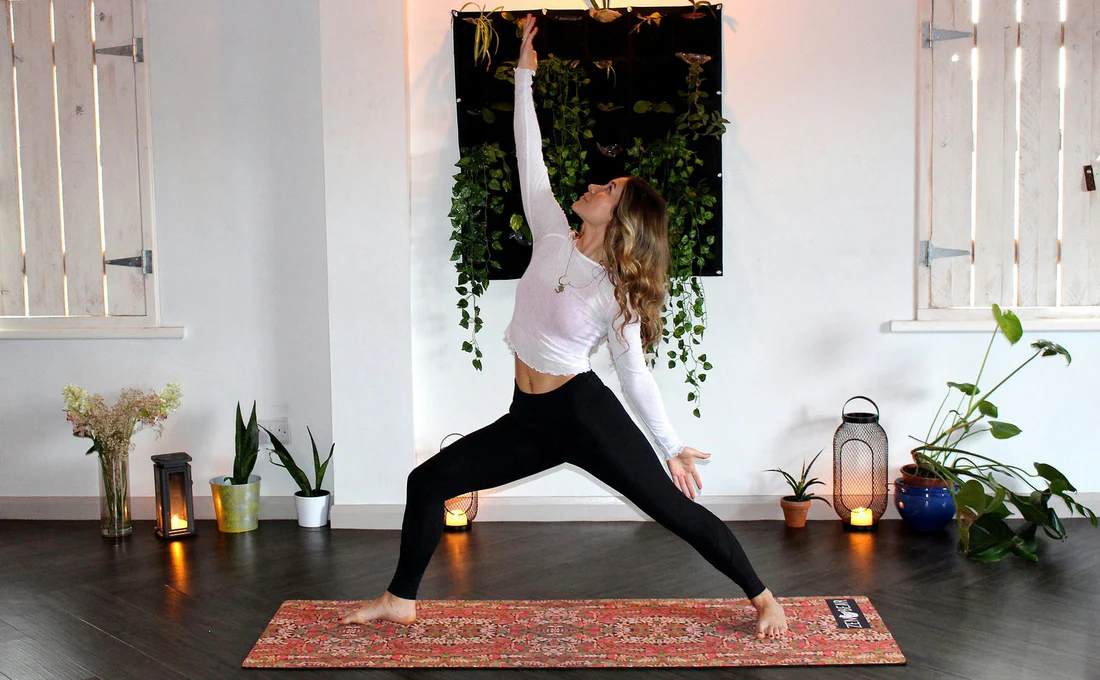
Introduction
Building a consistent yoga practice is one of the most powerful yet challenging aspects of yoga. Many people begin with enthusiasm, diving into long or intense sessions, only to find themselves struggling to maintain the habit over time. Yoga is not meant to be a short-term push or a test of endurance—it is a lifelong practice that unfolds gradually. Consistency creates the foundation for real, lasting benefits, allowing the body, mind, and breath to adapt and grow together at a natural pace.
A regular yoga practice does not require perfection, advanced poses, or daily hour-long sessions. Instead, it thrives on showing up repeatedly with patience and self-awareness. Whether your goal is improved flexibility, reduced stress, better sleep, or mental clarity, consistency is what transforms yoga from an occasional activity into a meaningful part of daily life.
Why Consistency Matters More Than Intensity
Consistency matters more than intensity because yoga works through gradual change rather than force. Practicing a little bit often helps the nervous system feel safe, supports steady muscle adaptation, and encourages mindful awareness. In contrast, intense but infrequent sessions can overwhelm the body, increase the risk of injury, and lead to burnout or discouragement.
Regular practice builds familiarity with poses, breath patterns, and sensations, making yoga feel more accessible and less intimidating over time. Even short sessions—ten or fifteen minutes—can improve mobility, posture, and mental focus when practiced consistently. From a mental health perspective, frequent gentle practice helps regulate stress hormones, supports emotional balance, and reinforces a calming routine in daily life.
Most importantly, consistency nurtures discipline without rigidity. It teaches commitment while still honoring rest and individual limits. Over time, this steady approach leads to deeper strength, flexibility, and inner awareness than occasional high-intensity efforts ever could.
Common Struggles With Staying Consistent
Many people struggle with consistency due to unrealistic expectations. Believing that every practice must be long, sweaty, or physically demanding often creates pressure and guilt, making it harder to return to the mat. Busy schedules, fatigue, and competing responsibilities can also interrupt routines, especially when yoga feels like an extra task rather than a supportive habit.
Another common challenge is comparison. Seeing advanced poses on social media or in classes can make beginners feel inadequate or discouraged. This mindset shifts focus away from personal progress and toward external validation, weakening motivation. Inconsistency can also arise from physical discomfort, soreness, or fear of doing poses incorrectly, particularly without proper guidance.
Mental barriers play a role as well. Low motivation, stress, or the belief that “missing one day means failure” can create an all-or-nothing mindset. Understanding that consistency allows flexibility—not perfection—is key. Yoga is meant to meet you where you are, and learning to return gently after breaks is part of building a sustainable, lifelong practice.
Understanding Your “Why”
Understanding your “why” is the emotional and mental foundation of a consistent yoga practice. While external motivations—such as improving flexibility or fitness—can help you start, long-term consistency comes from deeper, personal reasons. Your “why” connects yoga to your values, your lifestyle, and how you want to feel in your daily life. When practice feels meaningful rather than obligatory, it becomes easier to return to the mat even on busy or low-energy days.
Your “why” may evolve over time. What begins as a physical goal might shift toward stress relief, mental clarity, or emotional balance. Allowing this motivation to change keeps your practice relevant and supportive, rather than rigid or forced.
Clarifying Your Personal Motivation
Clarifying your personal motivation means honestly reflecting on what draws you to yoga in the first place. Ask yourself what you hope yoga will support or improve in your life. It could be better sleep, reduced anxiety, relief from physical discomfort, increased focus, or simply a few quiet moments each day. There is no right or wrong reason—what matters is that it feels authentic to you.
Writing your motivation down or revisiting it regularly can be helpful, especially during periods of inconsistency. When motivation is clear, yoga becomes a form of self-care rather than another task on your to-do list. This clarity also helps you choose practices that align with your needs, such as gentle yoga during stressful periods or more active styles when you feel energized.
Setting Realistic Intentions Instead of Goals
Setting intentions instead of rigid goals encourages a healthier and more sustainable relationship with yoga. Goals often focus on outcomes—such as touching your toes or mastering a specific pose—which can create pressure, comparison, or disappointment. Intentions, on the other hand, focus on how you want to show up and feel during your practice.
An intention might be to move with awareness, breathe deeply, or create space for rest and presence. These intentions are achievable every time you step onto the mat, regardless of how your body feels that day. They support consistency by removing the need for perfection and allowing flexibility within your routine.
By prioritizing intentions over goals, yoga becomes a practice of connection rather than achievement. This mindset fosters patience, self-compassion, and long-term commitment—essential elements for building a consistent and rewarding yoga practice.
Choosing the Right Type of Yoga
Choosing the right type of yoga plays a crucial role in building a consistent practice. With so many styles available, it’s easy to feel overwhelmed or assume that one form of yoga is “better” than another. In reality, the best yoga practice is the one that fits your body, schedule, energy level, and personal goals. When your practice feels supportive rather than exhausting or intimidating, you’re far more likely to stay committed over time.
Yoga is not one-size-fits-all. What works for someone else may not work for you, and that’s perfectly okay. Allowing yourself to explore different approaches helps you discover what feels sustainable, enjoyable, and beneficial in your own life.
Exploring Different Yoga Styles
There are many yoga styles, each offering unique benefits. Hatha yoga is often slower and more foundational, making it ideal for beginners or those who prefer a gentle pace. Vinyasa yoga focuses on flowing movement linked with breath and can feel more dynamic and energizing. Ashtanga and Power Yoga are physically demanding and structured, appealing to those who enjoy strength-building and routine.
For relaxation and recovery, Restorative and Yin yoga emphasize long-held poses and deep relaxation, supporting the nervous system and stress relief. Iyengar yoga prioritizes alignment and often uses props, making it excellent for learning proper form and accommodating physical limitations. Kundalini yoga combines movement, breathwork, and meditation, focusing on energy and mental clarity.
Exploring different styles—either in classes or through online resources—allows you to experience how each one affects your body and mind. Over time, you may find yourself rotating between styles depending on your needs, which can keep your practice balanced and engaging.
Matching Yoga to Your Lifestyle, Energy, and Needs
Matching yoga to your lifestyle and energy levels is essential for long-term consistency. If you have a busy schedule or limited time, shorter home practices or gentle flows may be more realistic than long studio classes. Morning practitioners might benefit from energizing styles like Vinyasa, while evening practice often feels better with slower, calming forms such as Yin or Restorative yoga.
Your physical condition and emotional state should also guide your choice. On high-stress days, calming practices help regulate the nervous system and restore balance. When you feel strong and motivated, more active styles can support strength and confidence. Life circumstances—such as work demands, travel, or health changes—may require you to adapt your practice rather than abandon it.
By choosing yoga that fits your current reality, you remove unnecessary pressure and increase enjoyment. This adaptability reinforces consistency, reminding you that yoga is meant to support your life, not compete with it.
Creating a Sustainable Routine
A sustainable yoga routine is one that fits seamlessly into your life and allows you to practice consistently without feeling stressed or pressured. The key is balance—choosing a frequency, duration, and timing that are realistic, enjoyable, and adaptable. Rather than forcing long or intense sessions, focus on developing a rhythm that encourages regular practice and gradually builds your skills, flexibility, and mental focus.
Sustainability is also about mindset. Treat your routine as a supportive structure, not a rigid rule. Some days you may practice for longer, others shorter or more restorative sessions. This flexibility ensures that yoga remains a lifelong habit rather than a temporary challenge.
How Often Should You Practice Yoga?
The ideal frequency depends on your goals, lifestyle, and experience level. For beginners, 2–4 sessions per week is a manageable starting point. This allows time for your body to adapt, muscles to recover, and habits to form without feeling overwhelming.
For intermediate or experienced yogis, daily practice is possible, but it doesn’t always mean intense sessions. Many experienced practitioners mix short daily routines—even 10–20 minutes of stretching, breathwork, or meditation—with longer flows 2–3 times per week.
Consistency matters more than frequency. A short daily practice often builds better long-term results than sporadic, high-intensity sessions. The goal is to create a pattern that feels sustainable and realistic for your schedule.
Ideal Practice Length for Beginners and Experienced Yogis
Practice length can vary widely depending on your experience, goals, and available time:
- Beginners: 15–30 minutes is ideal. Short sessions allow you to focus on alignment, breathing, and developing a habit without fatigue or frustration.
- Intermediate Practitioners: 30–60 minutes provides enough time to explore more challenging poses, flows, and mindfulness techniques.
- Experienced Yogis: 60–90 minutes can support advanced practices, deeper meditation, or intensive sequences. Even at this level, daily short practices remain beneficial for consistency and maintenance.
The key is to prioritize quality over quantity. A focused 20-minute session done regularly can be far more effective than a sporadic hour-long practice.
Best Time of Day to Practice
The best time to practice yoga depends on your lifestyle, energy levels, and personal preferences:
- Morning Practice: Energizes the body and mind, sets a positive tone for the day, and often ensures consistency before life’s distractions arise. Styles like Vinyasa or Hatha work well in the morning.
- Afternoon Practice: Ideal for a mid-day reset or for those whose energy peaks later in the day. A short flow can release tension, improve focus, and boost productivity.
- Evening Practice: Supports relaxation, stress relief, and better sleep. Gentle yoga, Yin, or Restorative practices help calm the nervous system after a busy day.
Ultimately, the best time is when you can practice consistently without feeling rushed or tired. Experiment with different times of day and notice when your body and mind feel most receptive to yoga. This awareness ensures your routine is both effective and sustainable.
Designing Your Practice Space
Your practice space plays a surprisingly important role in building a consistent yoga routine. A well-designed environment signals to your mind and body that it’s time to slow down, focus, and move with intention. It doesn’t have to be elaborate or expensive—what matters most is that the space feels welcoming, comfortable, and free from distractions.
A thoughtfully arranged practice area makes it easier to show up regularly. When the space itself encourages calm and focus, you naturally associate it with relaxation and mindfulness, making consistency feel effortless rather than forced.
Creating a Calm and Inviting Environment
To create a calm and inviting yoga space, consider the following elements:
- Clean and Uncluttered: A tidy area reduces mental distractions and creates a sense of openness.
- Comfortable Flooring: Use a supportive yoga mat or soft surface to protect joints and encourage longer practice sessions.
- Lighting: Soft, natural light is ideal, but candles or low-intensity lamps can also create a peaceful atmosphere.
- Temperature and Ventilation: A well-ventilated room at a comfortable temperature allows for better breathing and movement.
- Personal Touches: Add elements that inspire calm or joy, such as plants, incense, calming music, or meaningful objects.
- Minimal Distractions: Silence your phone, limit noise, and establish boundaries if you share space with others.
Even small adjustments, like positioning your mat near a window or incorporating soothing scents, can dramatically improve focus and enjoyment during practice.
Practicing at Home vs. Studio Practice
Both home and studio practice offer unique benefits, and the choice depends on your goals, preferences, and lifestyle:
Home Practice:
- Pros: Flexible timing, no commute, personalized environment, privacy, and freedom to experiment with styles.
- Cons: Requires self-discipline, potential distractions, and less immediate guidance from instructors.
Studio Practice:
- Pros: Professional guidance, structured classes, sense of community, and motivation from others practicing around you.
- Cons: Fixed schedule, possible cost, and sometimes less personal space.
Many practitioners find a hybrid approach effective—attending a studio class for guidance and inspiration while maintaining shorter home sessions to sustain consistency. The key is to create a space and routine that makes practice accessible, enjoyable, and realistic, whether at home, in a studio, or both.
By designing a space that feels safe, calming, and supportive, you set the stage for a consistent practice that nourishes both body and mind.
Measuring Progress Beyond Flexibility
One of the biggest misconceptions about yoga is that progress is measured solely by how flexible you become or how advanced the poses you can perform are. While flexibility can improve over time, it’s only a small part of yoga’s benefits. True progress encompasses physical, mental, emotional, and even lifestyle transformations.
- Physical Awareness: Notice improvements in posture, balance, strength, and body awareness. Simple changes, like moving more freely or standing taller, are clear indicators of progress.
- Breath Control: Becoming more conscious of your breath, using it to regulate stress, or maintaining steady breathing in challenging poses reflects growth beyond physical flexibility.
- Mental Clarity: Increased focus, mindfulness, and presence are often subtle but powerful signs that your practice is having a meaningful impact.
- Emotional Resilience: Feeling calmer in stressful situations, experiencing less anxiety, or responding to emotions more thoughtfully shows that yoga is influencing your nervous system and emotional balance.
- Lifestyle Integration: Incorporating mindfulness, meditation, or healthier habits into your daily life demonstrates that yoga’s benefits are extending off the mat.
Measuring progress through these dimensions helps you stay motivated and appreciate the holistic benefits of yoga, rather than getting frustrated by comparison or unrealistic expectations.
Letting Go of Comparison
Comparison is one of the biggest obstacles to building a consistent yoga practice. Social media, group classes, and even friends’ progress can unintentionally create pressure to achieve advanced poses or mimic others’ routines. This mindset can lead to discouragement, self-doubt, or even abandoning practice altogether.
Yoga encourages turning inward rather than looking outward. Every body is unique, and your journey is personal. The goal is not to “keep up” but to show up for yourself, honoring where you are in the present moment. Focusing on your own breath, body awareness, and personal growth fosters a sustainable practice that nurtures both self-compassion and progress.
Frequently Asked Questions (FAQs)
How Long Does It Take to Build a Yoga Habit?
Building a habit varies for everyone, but research suggests it can take anywhere from 3 to 8 weeks of consistent practice to feel automatic. The key is regularity rather than duration—short, daily practices are more effective than occasional long sessions.
Can I Practice Yoga Every Day?
Yes, daily practice is possible, but it doesn’t have to be intense. Many practitioners alternate between active flows, gentle stretches, breathwork, or meditation to avoid overuse and support recovery. Listening to your body ensures that daily practice is sustainable and safe.
What If I Miss a Few Days?
Missing a day—or even several—is normal. Yoga is a lifelong journey, not an all-or-nothing endeavor. The important part is returning to your mat without guilt, resuming where you left off, and adjusting your practice to fit your current energy and schedule. Consistency is built over months and years, not single sessions.
Conclusion
Consistency as a Lifelong Practice
Yoga is not about instant transformation or achieving a perfect sequence of poses. It is a lifelong journey of showing up, listening to your body, and nurturing your mind. Consistency—practicing regularly and gently over time—is the true key to experiencing yoga’s full benefits. Even small, intentional sessions compound over months and years, creating profound physical, mental, and emotional growth.
Encouragement for a Gentle, Sustainable Journey
Approach your yoga practice with patience, compassion, and flexibility. Celebrate small wins, embrace rest when needed, and focus on your personal journey rather than external comparisons. By creating realistic routines, honoring your “why,” and measuring progress in holistic ways, yoga can become a stable, enriching part of your life—supporting your well-being every day, on and off the mat.
Consistency doesn’t mean perfection—it means returning, repeatedly, with curiosity and care. That is where yoga’s transformative power truly lies.