 By DailyYogafactsblog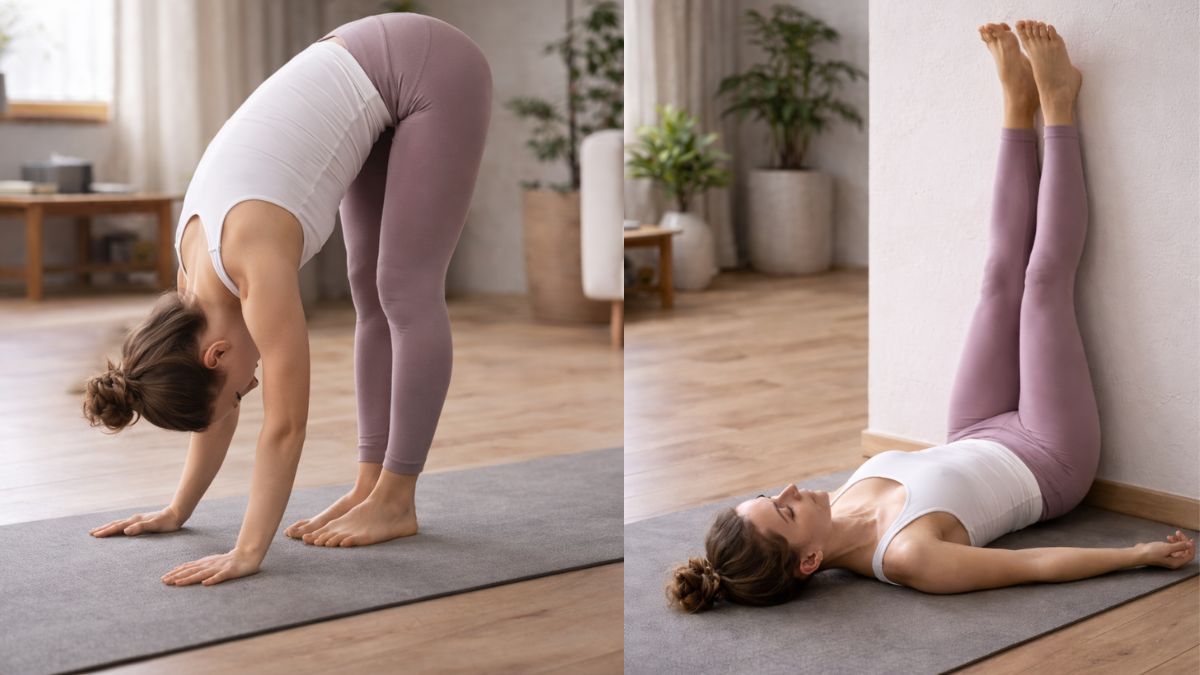
Introduction
Stress has become an almost unavoidable part of modern life. Fast-paced routines, constant digital connectivity, work pressure, financial concerns, and personal responsibilities often keep the mind in a state of continuous alertness. While a certain level of stress can be motivating, chronic stress slowly takes a toll on both mental and physical health. Yoga offers a gentle yet powerful way to slow down, reconnect with the body, and restore a sense of inner calm. Through mindful movement, conscious breathing, and present-moment awareness, yoga helps create balance in a world that often feels overwhelming.
Understanding Stress in Modern Life
Modern stress is very different from the short-term stress our bodies were originally designed to handle. In the past, stress was usually brief and physical—responding to immediate danger or survival needs. Today, stress tends to be ongoing and mental. Deadlines, emails, notifications, social expectations, and long hours of sitting all contribute to a persistent state of tension.
This constant stress keeps the nervous system in “fight-or-flight” mode, leading to symptoms such as muscle tightness, headaches, fatigue, poor sleep, anxiety, irritability, and difficulty concentrating. Over time, chronic stress can weaken the immune system, disrupt digestion, and increase the risk of lifestyle-related conditions. Many people don’t even realize how stressed they are until their body starts sending warning signals.
Yoga encourages awareness of these signals. By slowing down and tuning in, practitioners begin to recognize where stress is stored—whether in tight shoulders, shallow breathing, or a restless mind—and gently release it.
Why Yoga Is Effective for Stress Relief
Yoga is especially effective for stress relief because it works on multiple levels at once: physical, mental, and emotional. Unlike purely physical exercise, yoga emphasizes mindful movement and breath, which directly influences the nervous system.
Gentle yoga poses help release tension from the muscles, improve circulation, and reduce physical discomfort caused by stress. At the same time, slow, conscious breathing activates the parasympathetic nervous system—the body’s natural “rest and digest” response—helping lower heart rate and calm the mind.
Yoga also cultivates mindfulness, teaching practitioners to stay present rather than dwelling on past worries or future anxieties. This mental shift creates space between stressful thoughts and emotional reactions. Over time, regular yoga practice builds resilience, making it easier to respond to stress with clarity instead of overwhelm.
Most importantly, yoga meets you where you are. It doesn’t require flexibility, strength, or prior experience—only a willingness to pause and breathe. Even a few minutes of gentle yoga can provide noticeable relief, making it a practical and sustainable tool for managing stress in everyday life.
How Yoga Reduces Stress
Yoga reduces stress by addressing its root causes rather than just masking the symptoms. Stress is not only something that happens in the mind; it is experienced throughout the body, the breath, and the nervous system. Yoga works holistically, bringing these elements back into harmony. Through slow movement, intentional breathing, and focused awareness, yoga teaches the body how to shift out of survival mode and into a state of rest, balance, and healing.
The Mind–Body Connection
The mind and body are deeply interconnected. When the mind is under stress, the body responds with physical tension—tight shoulders, clenched jaws, shallow breathing, and fatigue. Likewise, when the body is tense or uncomfortable, the mind often becomes restless or anxious. Yoga recognizes this two-way relationship and uses the body as a gateway to calm the mind.
By moving gently and consciously through yoga poses, you begin to notice sensations in the body without judgment. This awareness helps interrupt the cycle of stress and overthinking. Instead of reacting automatically to thoughts, you learn to observe them while staying grounded in physical sensations. Over time, this practice strengthens the ability to remain calm even when facing external pressures.
Yoga also encourages self-compassion. Rather than pushing or striving, you are invited to listen to your body’s needs. This shift away from perfection and comparison helps reduce mental stress and cultivates a healthier relationship with yourself.
Nervous System Regulation (Parasympathetic Response)
One of the most powerful ways yoga reduces stress is through its effect on the nervous system. The body has two main nervous system responses: the sympathetic nervous system (fight-or-flight) and the parasympathetic nervous system (rest-and-digest). Chronic stress keeps the sympathetic system activated, leaving the body in a constant state of alertness.
Gentle yoga practices activate the parasympathetic response. Slow movements, longer holds, supported poses, and deep breathing signal to the brain that it is safe to relax. As this response activates, heart rate slows, blood pressure decreases, digestion improves, and muscles begin to soften.
Poses that involve forward folding, gentle twists, and restorative shapes are particularly effective for calming the nervous system. When practiced consistently, yoga helps retrain the body to return to a relaxed state more easily, even outside of the practice.
Breath Awareness and Mindfulness
Breath is one of the fastest and most accessible ways to influence stress levels. Under stress, breathing often becomes shallow, rapid, or irregular. Yoga brings attention back to slow, steady, and intentional breathing, helping restore balance to the nervous system.
Breath awareness teaches you to notice how you are breathing in each moment. By gently deepening the breath—especially the exhale—you signal the body to release tension. Mindful breathing anchors attention in the present moment, reducing rumination about the past or anxiety about the future.
Mindfulness in yoga goes beyond the breath. It includes noticing thoughts, emotions, and sensations without trying to change them. This non-reactive awareness creates emotional space and reduces the intensity of stress. Over time, mindfulness cultivated on the mat naturally carries into daily life, helping you respond to challenges with greater calm and clarity.
Preparing for a Stress-Relief Yoga Practice
Creating the right conditions for your practice can significantly enhance its stress-reducing benefits. Stress-relief yoga is not about performance or intensity; it is about creating an environment and mindset that supports relaxation and inner balance.
Creating a Calm Practice Space
Your practice space does not need to be large or elaborate, but it should feel safe, quiet, and inviting. Choose a place where you are unlikely to be interrupted. Soft lighting, fresh air, and minimal clutter can help calm the mind before you even begin.
You may enhance the atmosphere with calming elements such as a yoga mat, blanket, cushion, candle, or soothing music. Natural textures and gentle scents, like lavender or sandalwood, can further support relaxation. Over time, your body will begin to associate this space with rest and calm, making it easier to unwind as soon as you step onto the mat.
Best Time of Day for Stress-Reducing Yoga
The best time to practice stress-relief yoga is the time that fits naturally into your life. Morning practice can set a calm, grounded tone for the day ahead, helping you approach tasks with clarity rather than urgency. Evening practice is ideal for releasing accumulated tension and preparing the body and mind for restful sleep.
Some people also benefit from short midday practices, especially during work breaks, to reset the nervous system and reduce mental fatigue. Even 5–10 minutes of gentle movement and breathing can have a noticeable impact. Consistency matters more than duration, so choose a time you can realistically maintain.
Choosing Gentle Movements Over Intensity
When the goal is stress relief, gentle movements are far more effective than intense or fast-paced practices. High-intensity yoga can sometimes increase stress if the body is already overwhelmed. Stress-relief yoga emphasizes slow transitions, simple poses, and longer holds that allow the nervous system to relax.
Focus on how each movement feels rather than how it looks. Use props such as bolsters, blocks, or blankets to support the body and reduce strain. Rest whenever needed, and remember that stillness is just as valuable as movement.
By choosing gentleness over intensity, yoga becomes a nurturing practice rather than another task to accomplish. This approach helps rebuild trust with your body and creates a sustainable, long-term relationship with stress management.
Best Yoga Poses for Stress Relief
Stress-relieving yoga poses are gentle, grounding, and soothing to the nervous system. The goal of these postures is not to stretch deeply or build strength, but to release tension, slow the breath, and bring awareness inward. Each of the following poses can be practiced individually or combined into a calming sequence. Move slowly, breathe deeply, and allow yourself to rest whenever needed.
Child’s Pose (Balasana)
Child’s Pose is one of the most comforting and restorative yoga postures. It gently stretches the lower back, hips, and thighs while allowing the upper body to fully relax. The forward-folding shape naturally encourages introspection and a sense of safety, making it ideal during moments of emotional or mental overwhelm.
As the forehead rests on the mat or a cushion, the nervous system receives a calming signal. The breath naturally deepens, especially into the back of the body. Staying in Child’s Pose for several minutes can ease anxiety, reduce fatigue, and create a feeling of being supported and grounded.
Cat–Cow Pose (Marjaryasana–Bitilasana)
Cat–Cow is a slow, flowing movement that links breath with motion. This gentle spinal sequence helps release tension stored in the neck, shoulders, and back—common areas affected by stress. The rhythmic nature of the movement creates a meditative effect that calms the mind.
Inhaling into Cow Pose encourages openness in the chest and heart, while exhaling into Cat Pose promotes release and relaxation. This balance of expansion and contraction helps regulate the nervous system and brings awareness to the present moment. Practiced slowly, Cat–Cow becomes a moving meditation that melts away mental restlessness.
Standing Forward Fold (Uttanasana)
Standing Forward Fold is deeply calming for both the body and mind. By bringing the head below the heart, this posture encourages blood flow to the brain, which can reduce stress, anxiety, and mental fatigue. The forward fold also gently stretches the hamstrings and releases tension from the spine.
Allowing the head and arms to hang freely helps let go of mental burdens. Bending the knees generously ensures comfort and prevents strain. This pose invites surrender, reminding the body that it does not need to hold on to stress or control in order to feel safe.
Seated Forward Bend (Paschimottanasana)
Seated Forward Bend is a quiet, introspective posture that encourages deep relaxation. The forward-folding action soothes the nervous system and helps calm an overactive mind. This pose is particularly beneficial during times of emotional stress or overstimulation.
Rather than focusing on reaching the toes, the emphasis is on lengthening the spine and folding gently. With slow breathing, the body gradually softens. Practicing this pose with patience cultivates acceptance and encourages the release of tension stored deep within the body.
Legs Up the Wall Pose (Viparita Karani)
Legs Up the Wall is one of the most effective poses for stress relief and nervous system regulation. This gentle inversion requires no effort and allows the body to completely relax. It helps reduce swelling in the legs, improves circulation, and signals the body to shift into rest-and-digest mode.
This pose is especially beneficial after a long day or during periods of burnout. With the body fully supported, the breath naturally slows, and the mind becomes quiet. Staying in this posture for 5–10 minutes can create a profound sense of calm and renewal.
Reclining Bound Angle Pose (Supta Baddha Konasana)
Reclining Bound Angle Pose is a deeply restorative posture that encourages emotional release and relaxation. Opening the hips gently while the body reclines helps relieve tension associated with stress and fatigue. The heart-opening aspect of the pose supports emotional balance and a sense of ease.
Using pillows or bolsters under the knees allows the body to relax completely without strain. This pose is particularly soothing during times of anxiety, hormonal imbalance, or emotional exhaustion. The stillness invites deep breathing and a feeling of inner spaciousness.
Supine Spinal Twist (Supta Matsyendrasana)
Supine spinal twists help release tension from the spine and massage the internal organs, supporting both physical and emotional detoxification. Twisting movements are known to calm the nervous system and encourage a sense of grounding.
As the body gently twists, stress held in the back and shoulders begins to dissolve. This pose also helps quiet the mind by encouraging slow, steady breathing. Practicing the twist on both sides restores balance and creates a feeling of completeness and relaxation.
Bridge Pose (Setu Bandhasana)
Bridge Pose is a gentle backbend that opens the chest and counteracts the effects of prolonged sitting and stress-related posture. By opening the heart area, this pose encourages deeper breathing and helps release emotional tension.
When practiced slowly and with control, Bridge Pose can be calming rather than stimulating. Supporting the hips with a block turns it into a restorative posture, making it ideal for stress relief. This supported version helps regulate the nervous system and promotes a sense of emotional uplift.
Corpse Pose (Savasana)
Corpse Pose is the foundation of deep relaxation in yoga. Though it appears simple, it is one of the most powerful poses for stress relief. In Savasana, the body fully rests while the mind learns to let go of effort and control.
This pose allows the nervous system to integrate the benefits of the practice. Muscles soften, breathing becomes natural, and mental chatter gradually quiets. Even a few minutes of conscious rest in Savasana can significantly reduce stress and leave you feeling refreshed and centered.
Breathing Techniques to Enhance Stress Relief
Breathing is one of the most powerful tools for managing stress, and it is always available to us. Under stress, the breath naturally becomes shallow, rapid, or held without awareness. Yoga breathing techniques gently retrain the breath to become slow, deep, and rhythmic, sending calming signals to the nervous system. Practicing these techniques regularly can reduce anxiety, improve emotional balance, and support a deeper sense of inner calm.
Deep Belly Breathing
Deep belly breathing, also known as diaphragmatic breathing, is one of the simplest and most effective techniques for stress relief. Instead of breathing into the chest, the breath is directed into the belly, allowing the diaphragm to move fully. This type of breathing activates the parasympathetic nervous system and helps the body shift out of fight-or-flight mode.
As you inhale, the belly gently expands; as you exhale, it softens and falls back toward the spine. This slow, steady rhythm encourages relaxation and reduces muscle tension. Deep belly breathing also improves oxygen flow, supports digestion, and lowers heart rate.
This technique is especially helpful during moments of anxiety, before sleep, or when feeling overwhelmed. Practicing for just a few minutes can quickly bring the mind and body into a calmer state. Over time, deep belly breathing helps establish healthier breathing patterns throughout the day.
Extended Exhale Breathing
Extended exhale breathing focuses on lengthening the exhalation so it becomes longer than the inhalation. This technique is particularly effective for calming the nervous system because the body relaxes more deeply on the exhale. When the exhale is extended, the brain receives a clear signal that it is safe to let go.
A common approach is inhaling for a count of four and exhaling for a count of six or eight. The exact count is less important than maintaining a smooth, comfortable rhythm. The longer exhale naturally slows the heart rate and reduces stress hormones in the body.
Extended exhale breathing is ideal for managing acute stress, anxiety, or restlessness. It can be practiced while sitting, lying down, or even during stressful situations like waiting, commuting, or before important conversations. With regular practice, this technique builds emotional resilience and a greater sense of calm control.
Alternate Nostril Breathing (Nadi Shodhana)
Alternate nostril breathing, known as Nadi Shodhana, is a traditional yogic breathing technique designed to balance the mind and nervous system. It involves gently alternating the breath between the left and right nostrils, which helps harmonize the two hemispheres of the brain.
This practice is deeply calming and grounding. It clears mental clutter, improves focus, and reduces anxiety. The slow, intentional nature of the technique encourages mindfulness and present-moment awareness.
Nadi Shodhana is best practiced in a comfortable seated position, with the spine upright and shoulders relaxed. It is particularly beneficial before meditation, in the evening, or during times of mental overload. Practiced consistently, alternate nostril breathing creates a sense of inner balance, emotional stability, and mental clarity.
Yoga for Different Types of Stress
Stress is not experienced the same way by everyone. Some people feel it mainly in their thoughts and emotions, while others feel it physically in their bodies. Many experience stress through work pressure and constant digital stimulation. Yoga is unique because it can be adapted to support all these forms of stress, offering specific tools for different needs and situations.
Mental and Emotional Stress
Mental and emotional stress often show up as anxiety, overthinking, mood swings, irritability, or a sense of emotional heaviness. The mind may feel constantly busy, replaying past events or worrying about the future. Yoga helps by creating mental space and encouraging emotional awareness without judgment.
Gentle forward folds, restorative poses, and slow breathing techniques are especially helpful for calming the mind. These practices reduce sensory overload and invite introspection. Yoga also teaches emotional regulation by helping practitioners observe feelings rather than react to them. Over time, this awareness builds emotional resilience and a greater sense of inner stability.
Physical Tension and Fatigue
Physical stress often manifests as tight muscles, aches, stiffness, headaches, and overall fatigue. Long periods of sitting, poor posture, and lack of movement contribute to these symptoms. Yoga addresses physical stress by releasing muscle tension, improving circulation, and restoring natural movement patterns.
Slow, gentle stretches combined with mindful breathing allow the body to relax deeply. Restorative and floor-based poses are particularly beneficial when the body feels exhausted. Instead of draining energy, these practices replenish it. Regular yoga helps the body recover more efficiently and prevents tension from accumulating over time.
Work-Related and Digital Stress
Work-related and digital stress are increasingly common in modern life. Constant screen use, long work hours, multitasking, and digital notifications keep the nervous system overstimulated. This type of stress often leads to mental fatigue, poor concentration, eye strain, and disrupted sleep.
Yoga helps counterbalance digital stress by slowing down the body and mind. Short yoga breaks during the workday can reset posture, reduce eye and neck strain, and improve focus. Evening yoga practices help transition out of work mode and prepare the body for rest. By creating intentional pauses, yoga restores balance in a digitally driven lifestyle.
Frequently Asked Questions (FAQs)
How Often Should I Practice Yoga for Stress Relief?
Consistency is more important than duration. Practicing yoga for stress relief three to five times per week can be very effective, but even daily short sessions provide benefits. A few minutes of gentle movement and breathing each day can help maintain nervous system balance. The key is to create a routine that feels supportive rather than demanding.
Can Beginners Do These Poses?
Yes, beginners can absolutely practice yoga for stress relief. These poses are gentle, accessible, and adaptable for all levels. Yoga for stress relief does not require flexibility, strength, or prior experience. Using props such as pillows, blocks, or blankets can increase comfort and support. Listening to your body and moving at your own pace is far more important than achieving perfect form.
How Quickly Can Yoga Reduce Stress?
Many people feel calmer immediately after a single session, especially when breathing and relaxation techniques are included. However, the most lasting benefits come with regular practice. Over time, yoga helps recondition the nervous system, making it easier to return to a calm state even during stressful situations. Think of yoga as both immediate relief and long-term stress management.
Integrating Yoga Into Daily Life
Yoga does not need to be limited to a mat or a specific time of day. Integrating yoga into daily life means applying its principles—awareness, breath, and gentle movement—whenever stress arises.
Micro-Practices Throughout the Day
Micro-practices are short moments of yoga that fit easily into everyday routines. Simple actions such as taking three deep breaths, stretching the shoulders, or pausing to notice posture can significantly reduce stress. These small practices prevent tension from building up and help maintain a sense of calm throughout the day.
Even brief mindful pauses can reset the nervous system. Practicing awareness during routine activities—walking, sitting, or standing—keeps the mind grounded and connected to the body.
Combining Yoga with Meditation and Lifestyle Habits
Yoga is most effective for stress relief when combined with other supportive habits. Meditation enhances mindfulness and emotional clarity, while healthy sleep, nutrition, and hydration support overall well-being. Reducing excessive screen time, spending time in nature, and maintaining healthy boundaries also complement a yoga practice.
Together, these habits create a balanced lifestyle that supports long-term stress management. Yoga becomes part of a holistic approach rather than a standalone solution.
Conclusion
Making Stress Relief a Consistnt Practice
Stress relief is not a one-time event but an ongoing practice. Yoga encourages consistency through gentleness, self-awareness, and adaptability. By showing up regularly—even for short sessions—you build a supportive routine that nourishes both body and mind.
Rather than striving for perfection, yoga invites you to listen, adjust, and respond to your needs. This approach makes stress management sustainable and realistic in daily life.
Yoga as a Tool for Long-Term Emotional Balance
Beyond immediate relaxation, yoga offers long-term emotional balance. It strengthens the ability to remain calm under pressure, improves self-awareness, and supports emotional resilience. With continued practice, yoga becomes a trusted tool for navigating life’s challenges with clarity, patience, and compassion.
Ultimately, yoga reminds us that calm is not something to achieve—it is something to return to. Through mindful movement and breath, yoga gently guides us back to balance, again and again 🌿