 By DailyYogafactsblog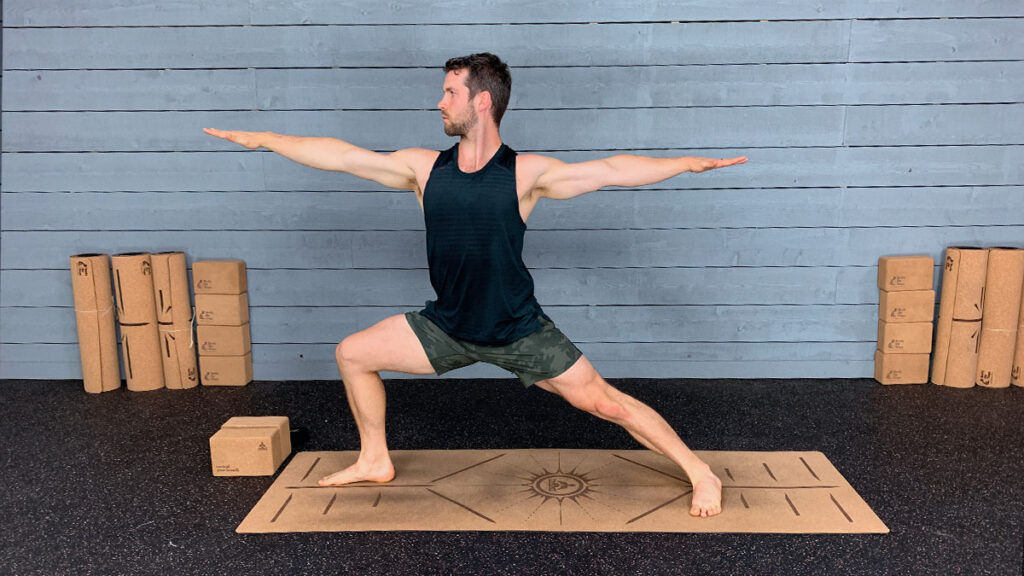
Introduction
Starting your day with yoga is more than just a physical exercise—it’s a holistic practice that can transform your mornings, your energy levels, and even the way you approach the day ahead. A consistent morning yoga routine not only wakes up the body but also prepares the mind for focus, clarity, and resilience.
The Importance of a Morning Yoga Practice
Mornings set the tone for the entire day. A structured yoga practice in the morning can:
- Wake up the body gently but effectively: Stretching and flowing movements help release stiffness and improve circulation, leaving you feeling alert and energized.
- Activate your nervous system: Morning yoga engages the sympathetic and parasympathetic systems in balance, giving a sense of both energy and calm.
- Create mental clarity: Early movement helps clear the mind of residual sleepiness and mental fog, fostering sharper focus and productivity throughout the day.
- Encourage consistency: Morning routines are easier to maintain because they are less likely to be interrupted by unexpected daily events.
How Yoga Boosts Energy and Mental Clarity
Yoga does more than stretch muscles—it actively influences your body and brain chemistry to enhance energy and focus:
- Improved blood flow and oxygenation: Flowing sequences like Sun Salutations increase heart rate slightly, delivering oxygen-rich blood to muscles and the brain.
- Endorphin release: Even a short morning practice stimulates endorphins and serotonin, helping you feel alert and uplifted.
- Stress reduction: Breathwork and gentle stretches calm the nervous system, lowering cortisol levels and reducing mental fatigue.
- Enhanced focus and mindfulness: Poses that require balance or coordination engage the mind fully, improving concentration and cognitive function for the day ahead.
Setting Intentions for Your Day
Morning yoga is not only about moving your body—it’s also an opportunity to align your mind and spirit with your daily goals. Setting intentions can:
- Provide direction: A clear intention acts as a compass, helping you make mindful choices throughout the day.
- Encourage gratitude: Starting your day with awareness of what matters most fosters positivity and motivation.
- Increase resilience: When challenges arise, returning to your morning intention helps you stay centered and calm.
Example: Before starting your practice, silently or aloud, you might set an intention like:
“I will approach today with focus, energy, and calm.”
By combining movement, breath, and mindful intention, morning yoga becomes a powerful tool to energize your body, sharpen your mind, and prepare you for a successful, fulfilling day.
Preparing for Your Morning Yoga
A successful morning yoga routine begins long before you roll out your mat. Preparation sets the stage for both physical readiness and mental focus, ensuring your practice is effective, energizing, and sustainable.
Creating a Calm and Energizing Environment
Your surroundings play a major role in how your body and mind respond to yoga. A space that feels peaceful yet invigorating will naturally boost your energy and focus.
- Declutter your space: A tidy, open area reduces distractions and promotes mental clarity.
- Natural light: If possible, practice near a window to greet the morning sun—natural light helps regulate your circadian rhythm and energizes your body.
- Soothing ambiance: Soft background music, a small plant, or aromatherapy (like citrus or lavender) can enhance mood and focus.
- Temperature: Keep the room comfortably warm to ease stiffness, but not so hot that you feel lethargic.
A calm and energizing environment is the first step toward a mindful and consistent morning routine.
Choosing the Right Time and Space
Timing and location are key to making morning yoga a habit:
- Optimal timing: Early morning, ideally within an hour or two of waking, is best for a yoga practice. Your body is rested, and the mind is relatively uncluttered.
- Consistency over duration: Even 10–20 minutes at the same time each morning is more effective than longer, irregular sessions.
- Dedicated space: While you can practice anywhere, having a consistent spot signals your mind that it’s “yoga time,” making it easier to stick to your routine.
- Minimize interruptions: Inform household members or turn off notifications to avoid distractions.
Essential Props and Equipment
While yoga doesn’t require elaborate equipment, a few simple props can make your morning practice smoother and more comfortable:
- Yoga mat: Provides grip, cushioning, and a defined practice space.
- Yoga blocks or cushions: Useful for modifications, support, and balance in standing or seated poses.
- Strap or belt: Helps with stretches if you have limited flexibility, especially for forward folds.
- Water: A sip before or after practice helps with hydration and energy.
These tools ensure safety, comfort, and accessibility, allowing you to focus fully on your practice instead of struggling with limitations.
Tips for Staying Consistent
Consistency is the secret to seeing real benefits from morning yoga. Here’s how to make it a lasting habit:
- Set a realistic schedule: Start with a short, manageable routine—10–20 minutes is enough to build momentum.
- Lay out your mat and clothes the night before: Reduces excuses and decision fatigue in the morning.
- Anchor to an existing habit: For example, practice yoga right after brushing your teeth or drinking water to build a natural trigger.
- Track your progress: Journaling your practice or noting how you feel afterward reinforces motivation.
- Be flexible and forgiving: Some mornings may be rushed or tired. Even a few minutes of stretching counts and keeps the habit alive.
By intentionally preparing your environment, choosing the right time, equipping yourself properly, and following strategies for consistency, you set yourself up for a morning yoga practice that energizes your body, sharpens your mind, and becomes a sustainable habit.
Warming Up for Energy
Warming up in the morning is essential to gently awaken your body, prepare your muscles and joints, and prime your nervous system for an energized day. A proper warm-up enhances flexibility, reduces injury risk, and helps your mind transition from sleep to alertness.
Gentle Stretches to Wake Up the Body
Starting with gentle stretches is key to loosening stiff muscles and joints after sleep:
- Full-Body Stretch (Standing or Lying):
- How: Extend arms overhead and stretch your legs long, reaching through your fingertips and toes simultaneously.
- Benefit: Engages the whole body, improves circulation, and activates your core muscles.
- Tip: Inhale as you reach upward, exhale while lengthening downward.
- Side Body Stretch:
- How: Stand or sit tall, inhale to lift one arm overhead, and exhale to lean gently to the opposite side. Repeat on the other side.
- Benefit: Opens the rib cage, stretches the obliques, and enhances lung capacity for deep breathing.
- Cat-Cow Stretch (Marjaryasana-Bitilasana):
- How: On hands and knees, inhale to arch your back (cow), exhale to round your spine (cat).
- Benefit: Mobilizes the spine, releases tension in the neck and back, and stimulates circulation.
- Neck and Shoulder Rolls:
- How: Slowly roll your shoulders forward and backward, then gently roll your neck in both directions.
- Benefit: Reduces stiffness, improves posture, and increases blood flow to the upper body.
Joint Mobility and Spinal Movements
Morning joint mobility exercises help lubricate your joints and improve range of motion, preventing stiffness and promoting alertness:
- Wrist and Ankle Circles:
- How: Rotate wrists and ankles clockwise and counterclockwise.
- Benefit: Prepares joints for weight-bearing poses and reduces tension from overnight immobility.
- Hip Circles and Pelvic Tilts:
- How: In standing or on all fours, rotate your hips gently in circles or tilt your pelvis forward and back.
- Benefit: Opens the hips, strengthens core stability, and activates lower back muscles.
- Spinal Twists (Seated or Supine):
- How: Sit cross-legged or lie on your back; twist gently from the waist, keeping shoulders grounded.
- Benefit: Improves spinal flexibility, aids digestion, and stimulates internal organs.
Breath Awareness for Morning Alertness
Connecting breath with movement awakens the nervous system, increases oxygen flow to the brain, and sharpens focus:
- Deep Belly Breathing (Diaphragmatic Breathing):
- How: Place one hand on the abdomen, inhale deeply through the nose, feeling your belly expand, exhale fully through the nose.
- Benefit: Stimulates energy, calms the mind, and prepares the body for movement.
- Three-Part Breath (Dirga Pranayama):
- How: Inhale deeply into the belly, ribs, then chest; exhale in reverse order.
- Benefit: Enhances lung capacity, increases oxygenation, and promotes mental clarity.
- Gentle Breath with Movement:
- How: Synchronize inhales with stretching movements and exhales with releasing or folding motions.
- Benefit: Creates rhythm, increases energy flow, and cultivates mindfulness.
Tip: Spend 5–10 minutes on these warm-ups before moving into more dynamic sequences. This will energize your body gradually, awaken your senses, and prime your mind for focus and alertness throughout the day.
Core Morning Yoga Sequence
Once your body is gently warmed up, you can move into the core yoga sequence for the morning. This section focuses on building strength, flexibility, and alertness while stimulating both body and mind. A well-structured sequence will energize you and set a positive tone for the day.
Sun Salutations (Surya Namaskar) for Vitality
Sun Salutations are a traditional sequence of flowing movements synchronized with breath. They warm up the entire body, boost circulation, and ignite energy.
Step-by-Step Guide (1–3 rounds):
- Mountain Pose (Tadasana): Stand tall, feet together, hands in prayer at the chest. Inhale and lift arms overhead.
- Forward Fold (Uttanasana): Exhale, hinge at the hips, fold forward, keeping knees soft if needed.
- Halfway Lift (Ardha Uttanasana): Inhale, lengthen the spine, gaze forward.
- Plank Pose: Exhale, step or jump back, engaging core, forming a straight line from head to heels.
- Chaturanga Dandasana: Lower down slowly, elbows close to the body.
- Upward-Facing Dog (Urdhva Mukha Svanasana) or Cobra Pose (Bhujangasana): Inhale, lift chest, open shoulders.
- Downward-Facing Dog (Adho Mukha Svanasana): Exhale, lift hips up and back, heels reaching toward the floor.
- Step Forward to Halfway Lift: Inhale, step feet between hands, lengthen the spine.
- Forward Fold: Exhale, hinge at the hips, release tension in the back.
- Mountain Pose: Inhale, rise back to standing, arms overhead, then exhale hands to heart center.
Benefits:
- Activates the cardiovascular system
- Energizes muscles from head to toe
- Improves coordination and breath awareness
Standing Poses for Strength and Focus
Standing poses develop stability, build strength, and improve concentration.
- Warrior I (Virabhadrasana I):
- Front knee bent, back leg straight, arms overhead.
- Opens chest, strengthens legs, improves focus.
- Warrior II (Virabhadrasana II):
- Front knee bent, back foot grounded, arms extended sideways.
- Enhances stamina and mental focus.
- Triangle Pose (Trikonasana):
- One hand reaches toward the front foot, other arm extends upward.
- Stretches the spine, strengthens legs, and improves balance awareness.
- Extended Side Angle (Utthita Parsvakonasana):
- Front leg bent, elbow resting on thigh or hand to floor, other arm over head.
- Energizes the body and opens the side body for deeper lung capacity.
Tip: Hold each pose for 3–5 breaths, focusing on alignment and steady breathing.
Balancing Poses to Sharpen Concentration
Balance poses awaken the mind, improve focus, and build core strength.
- Tree Pose (Vrksasana):
- Stand on one leg, place the other foot on the inner thigh or calf, hands in prayer or overhead.
- Enhances concentration and stability.
- Eagle Pose (Garudasana):
- Wrap one leg over the other and arms in a similar cross, sink slightly into standing leg.
- Challenges coordination, focus, and mental calm.
- Warrior III (Virabhadrasana III):
- Lean forward on one leg, arms extended forward, back leg lifted.
- Builds strength, focus, and balance simultaneously.
Tip: Focus on a fixed point in front of you (“drishti”) to improve stability and concentration.
Backbends and Heart-Opening Poses for Energy
Backbends stimulate the nervous system, open the chest, and invigorate both body and mind.
- Cobra Pose (Bhujangasana):
- Lie on your stomach, hands under shoulders, lift chest while keeping hips grounded.
- Opens chest and stimulates energy.
- Bridge Pose (Setu Bandhasana):
- Lie on your back, knees bent, feet hip-width apart, lift hips upward.
- Strengthens glutes and spine, improves circulation.
- Camel Pose (Ustrasana):
- Kneel, hands on heels, chest lifted, gaze slightly upward.
- Expands chest, improves lung capacity, and energizes the heart.
- Standing Backbend (Optional for Experienced Practitioners):
- From Mountain Pose, gently lean backward with hands on lower back.
- Provides an energizing stretch and wakes up the spine.
Tip: Move slowly in backbends, engage core muscles, and synchronize breath with movement to prevent strain.
Mind-Body Activation
After your core sequence, it’s time to activate the deeper connection between your body and mind. Mind-body activation focuses on stimulating digestion, strengthening the core, and enhancing overall energy flow. These exercises prepare your body for the day with vitality and clarity.
Twists for Digestion and Alertness
Twisting poses help stimulate the internal organs, improve digestion, and awaken the nervous system. They also relieve stiffness in the spine and release tension stored overnight.
- Seated Spinal Twist (Ardha Matsyendrasana):
- How: Sit with legs extended, bend the right knee and place the foot outside the left thigh. Inhale, lengthen your spine, exhale, twist gently to the right, placing left elbow outside the right knee.
- Benefits: Improves spinal mobility, stimulates liver and kidneys, and enhances alertness.
- Tip: Keep your spine tall and breathe deeply into your ribs. Repeat on the other side.
- Revolved Triangle (Parivrtta Trikonasana):
- How: From standing, step feet wide, hinge forward over one leg, and twist torso toward the opposite leg.
- Benefits: Activates core, stretches hamstrings, and energizes circulation.
- Supine Twist (Supta Matsyendrasana):
- How: Lie on your back, hug knees to chest, drop both knees to one side while extending arms out in a T-shape.
- Benefits: Gently massages abdominal organs, relieves tension in the spine, and refreshes the mind.
Core Engagement for Stability and Strength
A strong core enhances posture, balance, and overall energy levels. Engaging the core during morning yoga improves focus and prepares the body for dynamic movements.
- Boat Pose (Navasana):
- How: Sit on the floor, lift legs and upper body to form a V-shape, extend arms forward.
- Benefits: Strengthens abdominal muscles and hip flexors, stabilizes the spine.
- Plank Variations:
- Standard Plank: Hands under shoulders, body in a straight line.
- Side Plank (Vasisthasana): Balance on one hand and the outer edge of one foot.
- Benefits: Engages core, arms, and shoulders; enhances mental focus through balance.
- Low Boat with Twists:
- How: From Boat Pose, lower legs slightly and twist torso side to side.
- Benefits: Strengthens obliques, improves spinal flexibility, and energizes abdominal organs.
Flow Sequences to Energize the Entire Body
Dynamic flows integrate multiple movements, synchronizing breath with motion to boost circulation, stimulate energy, and sharpen mental focus.
- Sun Salutation Variations (Add a Twist):
- Incorporate side stretches and gentle backbends in the traditional Sun Salutation to keep energy flowing.
- Dynamic Warrior Flow:
- Transition between Warrior I → Warrior II → Reverse Warrior → Side Angle → Repeat on the other side.
- Benefits: Warms the body, improves coordination, and engages multiple muscle groups.
- Cat-Cow Flow with Core Engagement:
- Add gentle abdominal engagement as you move between Cat and Cow.
- Benefits: Activates spinal muscles, wakes up the nervous system, and energizes the torso.
- Standing Flow Sequence:
- Forward Fold → Halfway Lift → Chair Pose → Mountain Pose → Repeat twice.
- Benefits: Combines stretching, strengthening, and breath synchronization to fully awaken the body.
Tip: Move mindfully and coordinate your breath with every transition. Inhale during expansion or lifting movements, exhale during folding, twisting, or grounding motions.
Tips for Maintaining a Morning Routine
A morning yoga routine is most effective when practiced consistently. However, it’s normal to face challenges along the way. The key is to create strategies that make your practice sustainable and adaptable.
Overcoming Common Obstacles (Sleepiness, Lack of Motivation)
- Sleepiness:
- Solution: Drink a glass of water upon waking to rehydrate and stimulate alertness.
- Tip: Open your curtains to let in natural light—it helps reset your circadian rhythm and signals your body to wake up.
- Gentle start: Begin with 2–3 minutes of deep breathing or light stretching before diving into the full routine.
- Lack of Motivation:
- Anchor your habit: Tie your yoga session to an existing morning habit, like brushing your teeth or having a cup of herbal tea.
- Visual cues: Keep your yoga mat visible and your practice space ready the night before.
- Mini-practice mindset: Even 5 minutes of stretching is valuable—don’t wait for the “perfect” day.
Adapting the Routine for Time Constraints
Life can be unpredictable. Your morning practice can remain effective even when time is limited:
- 10-minute micro-routine: Focus on Sun Salutations, 1–2 standing poses, and 1 balancing pose.
- Alternate days: Rotate longer sequences on full mornings with shorter flows on busy days.
- Prioritize breath: Even if movement is brief, 2–3 minutes of deep, conscious breathing can energize and focus your mind.
Tracking Progress and Noticing Energy Shifts
Monitoring how you feel helps maintain motivation and recognize the benefits of your practice:
- Journal your practice: Note the poses, duration, and any changes in mood or energy.
- Observe subtle changes: Morning alertness, improved focus, and reduced stiffness are key indicators of progress.
- Celebrate consistency: Even small improvements, like smoother transitions or longer holds, reinforce habit formation.
10. Frequently Asked Questions (FAQs)
1. How Long Should a Morning Yoga Session Be?
- For beginners, 10–20 minutes is sufficient to wake up the body and mind.
- Intermediate or advanced practitioners can extend sessions to 30–45 minutes.
- Consistency is more important than duration; even a short daily practice can deliver noticeable benefits over time.
2. Can Beginners Follow This Routine?
- Absolutely! The routine can be modified for all levels.
- Use props like blocks or straps, keep knees slightly bent in forward folds, and reduce the depth of backbends until you build flexibility and strength.
- Focus on breath and mindful movement rather than perfect alignment at first.
3. Is Morning Yoga Better Than Evening Yoga?
- Morning Yoga: Energizes the body, enhances focus, and prepares you mentally for the day.
- Evening Yoga: Relaxes muscles, relieves tension, and promotes restful sleep.
- Tip: Choose the time that aligns with your goals. Morning practice is ideal for energy and productivity, while evening practice is better for unwinding and stress relief.
Conclusion
Embracing Morning Yoga as a Lifestyle Habit
Morning yoga isn’t just another item on your to‑do list — it’s a lifestyle habit that can ripple into every part of your day. When practiced consistently, yoga becomes a foundation for better physical flexibility, deeper breath awareness, improved mental clarity, and stronger emotional resilience. Over time, this practice helps you approach life with more patience, focus, and inner calm — qualities that extend far beyond your mat.
By intentionally moving your body, coordinating breath, and focusing your mind first thing in the morning, you set a tone of awareness and presence that supports healthier choices, clearer thinking, and more sustained energy throughout your day.
Celebrating Small Wins and Building Consistency
A key part of cultivating a lifelong yoga routine is recognizing and celebrating small wins: showing up even when you don’t feel like it, noticing slight improvements in balance or breath control, or feeling more alert after just a few minutes of practice. These incremental changes are real progress and the cumulative fuel for lasting habit formation.
Consistency is built not through perfection, but through regular, kind, and realistic practice. Some days your routine may be full and challenging, other days short and gentle — and both count. The important thing is that you keep returning to the mat.
Encouragement for Lifelong Energy and Focus
Your morning yoga routine is more than a series of stretches — it’s a tool for life. With ongoing practice, you’ll likely notice improved concentration, reduced stress, better posture, heightened self‑awareness, and a sense of grounded confidence. The benefits grow with time and intention, turning your mornings into a springboard for the rest of your life.
Stay curious, stay compassionate with yourself, and let this practice evolve with you.
References and Further Reading
Whether you want to deepen your understanding of yoga technique, explore the science behind its effects, or gain inspiration from the wisdom of experienced teachers, the following books, articles, and scientific studies are excellent resources:
Books & Guides
- Science of Yoga: Understand the Anatomy and Physiology to Perfect Your Practice — Ann Swanson
A scientific yet accessible exploration of how yoga affects the body and mind, blending modern research with traditional insights. (Goodreads) - Light on Yoga — B.K.S. Iyengar
Often called the “bible of modern yoga,” this classic provides detailed instruction and illustrations for hundreds of poses, useful for practitioners at all levels. - Inner Engineering: A Yogi’s Guide to Joy — Sadhguru
A spiritually oriented guide that connects yogic philosophy, body practices, and personal growth. - Yoga the Iyengar Way — Silva, Mira & Shyam Mehta
A comprehensive introduction to yoga postures, alignment, and breathwork rooted in Iyengar tradition. - Heart of Yoga — T.K.V. Desikachar
A respected resource (highlighted in several yoga community recommendations) that emphasizes individualized practice and integration of breath, movement, and meditation. - One Simple Thing: A New Look at the Science of Yoga — Eddie Stern
Explores yoga through a scientific lens, linking practice with neurological and physiological insights.
Scientific Studies & Articles
- Yoga and Cognitive Function:
Systematic reviews and controlled trials report yoga’s positive effects on attention, memory, processing speed, and other cognitive functions — benefits that support focus and mental performance. (PMC) - Yoga’s Impact on Brain Health:
Research suggests yoga may positively influence brain structure and functional connectivity, which is linked to improved mood, focus, and stress regulation. (PMC) - Yoga for Energy & Mood:
Yoga and its components (postures, breathwork, meditation) have been shown to reduce stress and fatigue while enhancing energy levels and emotional well‑being. (PMC)