 By DailyYogafactsblog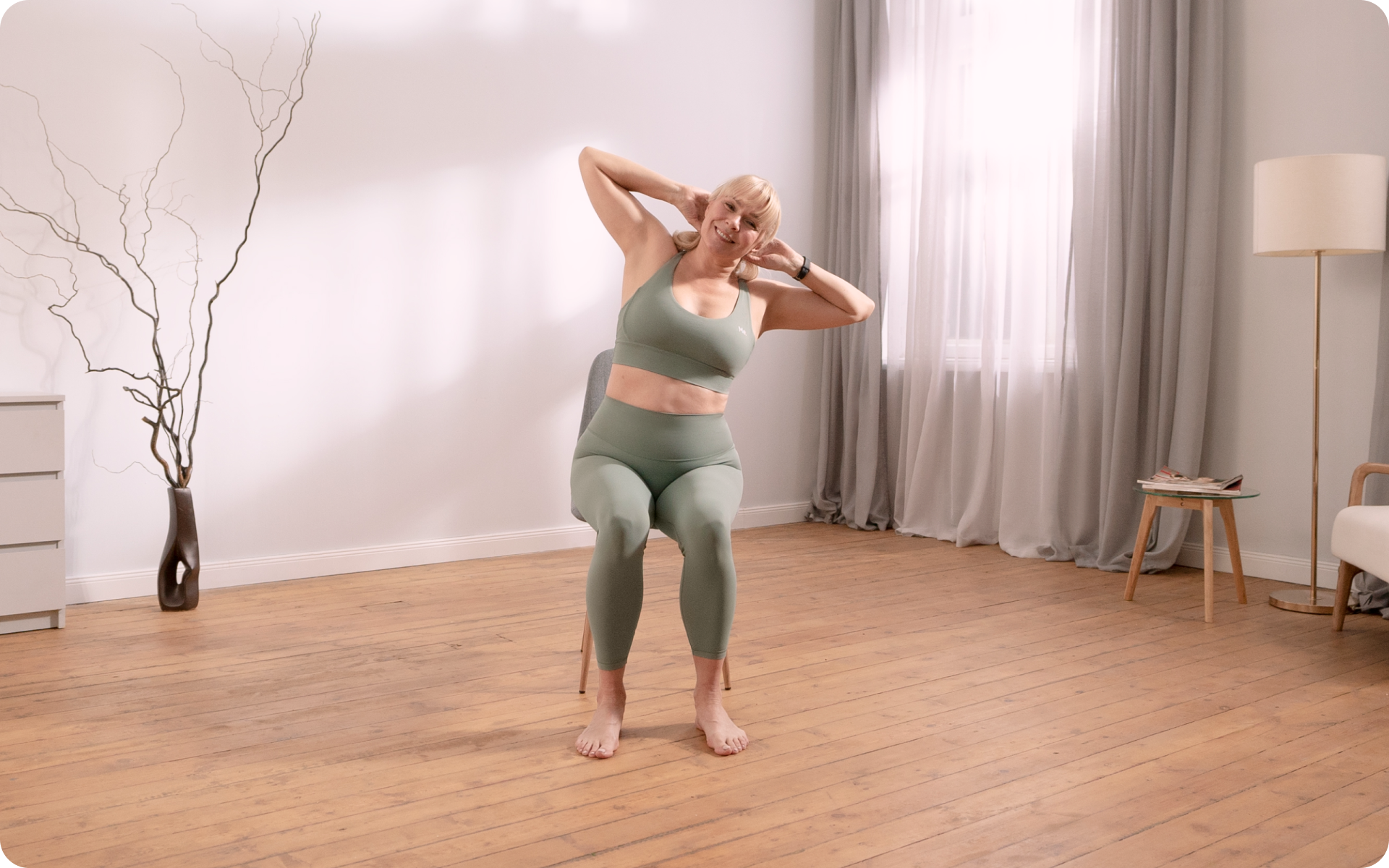
1. Introduction
What Is Chair Yoga?
Chair yoga is a gentle and accessible form of yoga that adapts traditional poses to be performed while seated on a chair or using a chair for support. Unlike conventional yoga, which often requires lying down, standing, or balancing on the floor, chair yoga allows practitioners to experience the benefits of yoga safely and comfortably, without straining the joints or risking falls.
The practice emphasizes controlled movements, mindful breathing, and proper posture. Movements can range from simple stretches to full-body sequences, including seated twists, forward bends, side stretches, and even some standing poses with the chair’s support. Chair yoga is particularly designed to improve flexibility, strength, and balance while minimizing the risk of injury. It also integrates mindfulness and relaxation techniques, making it a holistic approach to physical and mental well-being.
Who Can Benefit from Chair Yoga?
Chair yoga is highly inclusive and can benefit a wide range of people, including:
- Seniors and Older Adults: With aging, balance, flexibility, and strength naturally decline. Chair yoga allows seniors to safely maintain mobility and improve stability, reducing the risk of falls.
- Beginners to Yoga: Individuals who are new to yoga or have limited experience may find traditional yoga intimidating or physically challenging. Chair yoga provides a supportive environment to learn yoga fundamentals.
- People with Limited Mobility or Disabilities: Those recovering from injuries, dealing with chronic pain, or managing conditions like arthritis, osteoporosis, or multiple sclerosis can perform yoga without putting undue stress on joints or muscles.
- Office Workers and Sedentary Individuals: Chair yoga is perfect for those who spend long hours sitting. Even a short session can relieve tension in the neck, shoulders, and back while improving circulation.
- Individuals Seeking Low-Impact Exercise: Chair yoga provides a gentle alternative to high-impact workouts, allowing people to build strength and improve flexibility safely.
In essence, chair yoga is for anyone seeking a safe, effective, and adaptable form of yoga, regardless of age, fitness level, or physical limitations.
Safety and Accessibility Considerations
While chair yoga is generally safe, it’s important to practice mindfully to prevent injuries and ensure maximum benefit:
- Use a Sturdy Chair: Select a chair without wheels, preferably with a straight back and no arms that restrict movement. Ensure it’s placed on a non-slip surface.
- Check Your Environment: Keep enough space around the chair to extend your limbs without obstruction. Remove loose rugs or objects that could cause tripping.
- Listen to Your Body: Avoid forcing any movement. If a stretch causes pain (not just mild discomfort), stop immediately and modify the pose.
- Move Slowly and Mindfully: Focus on controlled movements rather than speed. Breathing should always accompany motion.
- Consult a Professional if Needed: Those with severe mobility issues, recent surgeries, or chronic health conditions should check with a healthcare provider before starting any new exercise regimen.
Chair yoga’s adaptability means it can be tailored to each individual’s abilities, making it an excellent tool for safe and sustainable wellness.
2. Benefits of Chair Yoga
Physical Benefits (Flexibility, Strength, Balance)
Chair yoga provides numerous physical benefits without the strain of traditional yoga or high-impact exercise.
- Flexibility: Gentle stretching from a seated position helps release stiffness in the neck, shoulders, spine, hips, and legs. Over time, these movements increase the range of motion, making daily activities like reaching, bending, or walking easier.
- Strength: Many chair yoga poses engage core muscles, arms, and legs. Simple exercises such as seated leg lifts or supported chair push-ups build muscular endurance, helping maintain independence and functional strength.
- Balance and Stability: Even while seated, movements that involve shifting weight or gentle twisting enhance coordination and balance. For seniors, this can significantly reduce the risk of falls and improve confidence in movement.
- Joint Health: Chair yoga encourages gentle joint movement without high impact, supporting cartilage health and reducing stiffness caused by arthritis or prolonged immobility.
Mental and Emotional Benefits (Stress Relief, Mindfulness)
Chair yoga is not just about physical health—it has profound mental and emotional benefits:
- Stress Relief: Focused breathing exercises and slow, mindful movements activate the parasympathetic nervous system, lowering stress hormones like cortisol and promoting relaxation.
- Mindfulness: Chair yoga encourages practitioners to be present in the moment, fostering mental clarity and awareness. Regular practice can improve focus, patience, and emotional resilience.
- Mood Enhancement: Gentle physical activity combined with mindful breathing increases endorphin release, helping reduce anxiety, depression, and feelings of fatigue.
Enhancing Mobility for Seniors and Beginners
For individuals with limited mobility, chair yoga provides an accessible way to move safely:
- Improved Circulation: Even small movements increase blood flow to muscles and joints, reducing stiffness and swelling.
- Better Posture: Strengthening core and back muscles while seated helps correct poor posture, often caused by prolonged sitting or age-related spinal changes.
- Functional Movement: Regular practice enhances the ability to perform everyday tasks like standing from a chair, reaching overhead, or bending safely.
Supporting Chronic Conditions
Chair yoga can also support management of certain chronic conditions:
- Arthritis and Joint Pain: Gentle stretches improve flexibility and reduce pain without stressing the joints.
- Diabetes and Heart Health: Mild physical activity can help regulate blood sugar and improve cardiovascular health.
- Osteoporosis: Weight-bearing seated exercises can help maintain bone density.
- Neurological Conditions: Conditions like Parkinson’s or multiple sclerosis may benefit from improved balance, coordination, and muscle control through safe, seated movements.
In summary, chair yoga is a holistic practice that strengthens the body, calms the mind, and supports overall health, making it ideal for beginners, seniors, and anyone seeking a gentle, adaptable form of yoga.
3. Getting Started
Choosing the Right Chair
Selecting the right chair is crucial for safety, comfort, and effectiveness in chair yoga. Not all chairs are suitable, so keep these points in mind:
- Stability: Use a sturdy, non-swivel chair without wheels. Chairs with a solid back and four legs are ideal. This ensures that the chair won’t move unexpectedly during exercises.
- Height: The chair should allow your feet to rest flat on the floor while keeping your knees at roughly a 90-degree angle. This position supports good posture and proper alignment.
- Support: Chairs with a straight back help maintain spinal alignment, while chairs with armrests can provide extra support for balance or for getting in and out of poses. Avoid overly soft or cushioned chairs that make you sink in and compromise stability.
- Space Around the Chair: Make sure there’s enough room on all sides to extend your arms and legs without bumping into objects. This is especially important for seated stretches and standing poses with chair support.
Clothing and Environment Tips
- Comfortable Clothing: Wear loose or stretchable clothing that allows full range of motion. Avoid tight belts, restrictive pants, or clothing that could ride up during stretches.
- Footwear: Bare feet or non-slip socks are best for traction and safety. If using shoes, ensure they are flexible and lightweight.
- Environment: Choose a quiet, well-lit space free of obstacles. A calm environment supports focus and mindfulness during practice.
- Props: Optional items like a yoga strap, small pillow, or folded towel can help modify poses and provide extra support.
Breathing Basics for Chair Yoga
Breath is the foundation of yoga, even in a seated practice. Proper breathing techniques help you maximize flexibility, relaxation, and energy flow:
- Deep Diaphragmatic Breathing: Sit upright with shoulders relaxed. Inhale slowly through the nose, allowing your belly to expand, then exhale gently through the nose or mouth. This deep breathing increases oxygen flow, calms the nervous system, and improves posture.
- Breath Awareness: Focus on the rhythm of your breath as you move from pose to pose. Inhale to lengthen or open the body, exhale to fold, twist, or relax into a stretch.
- Counting Breaths: Beginners can benefit from counting to four on each inhale and exhale, gradually increasing as comfort improves. This builds mindfulness and concentration.
- Synchronizing Breath with Movement: Coordinating breath with motion prevents strain, encourages smooth transitions, and enhances the meditative quality of the practice.
Setting Realistic Goals
- Start Small: For beginners or seniors, even 10–15 minutes of chair yoga per day can be beneficial. Avoid trying to perform advanced poses initially.
- Focus on Consistency: Regular, short sessions are more effective than occasional long sessions. Aim for 3–5 days per week initially.
- Listen to Your Body: Progress should be gradual. Avoid comparing yourself to others or pushing beyond comfortable limits.
- Track Progress: Notice improvements in flexibility, strength, balance, and mood. Celebrate small victories to maintain motivation.
4. Warm-Up Exercises
Warming up is essential to prepare your body, increase blood flow, and prevent injury. Even in a chair, gentle movements prime your muscles and joints for deeper stretches.
Seated Breathing Techniques (Pranayama)
- Purpose: Activates the respiratory system, calms the mind, and connects breath with movement.
- How to Practice: Sit upright, feet flat on the floor, hands resting on thighs. Inhale deeply through the nose for 4–6 counts, hold for 1–2 counts, exhale slowly for 6–8 counts. Repeat 5–10 cycles.
- Variations: Alternate nostril breathing (Nadi Shodhana) can enhance relaxation and balance energy flow.
Gentle Neck and Shoulder Stretches
- Neck Side Stretch: Sit tall, gently tilt your right ear toward your right shoulder, keeping shoulders relaxed. Hold 15–20 seconds, repeat on the left.
- Neck Rotation: Slowly turn your head to the right, hold, then to the left. Repeat 3–5 times to release stiffness.
- Shoulder Rolls: Lift shoulders up toward ears, roll them back and down in a smooth circular motion. Repeat 5–10 times in each direction.
- Shoulder Shrugs: Inhale as you lift shoulders, exhale as you release. This helps relieve tension accumulated from sitting or stress.
Wrist and Ankle Mobility Movements
- Wrist Circles: Extend arms forward, make gentle circles with each wrist clockwise and counterclockwise for 10 reps. This is helpful for seniors or anyone with arthritis.
- Finger Stretch and Clench: Open fingers wide on an inhale, clench fists on an exhale, repeat 5–10 times to improve circulation and dexterity.
- Ankle Circles: Lift one foot slightly off the floor, rotate the ankle clockwise and counterclockwise 10–15 times. Switch feet.
- Toe Flexes: Point toes forward, then flex back toward the shin, repeating 10 times to warm up calves and improve circulation.
Core Activation from the Chair
- Seated Pelvic Tilt: Sit upright, gently engage your abdominal muscles to tilt the pelvis slightly forward and back. Repeat 10–15 times to activate core and stabilize the spine.
- Seated Marching: Lift one knee at a time, keeping your back straight and feet flexed. Perform 10–15 repetitions per leg.
- Seated Twist: With hands on thighs, gently twist the torso to the right on an inhale, return to center on an exhale, then twist left. Repeat 5 times per side to mobilize the spine and engage obliques.
Tip: Even short warm-ups of 5–10 minutes significantly improve flexibility, circulation, and readiness for the main chair yoga sequence.
5. Upper Body Chair Yoga Poses
Seated Cat-Cow Stretch
Purpose: Improves spinal flexibility, stretches the back and shoulders, and gently warms up the spine.
How to Practice:
- Sit tall on the chair, feet flat on the floor, hands resting on your knees or thighs.
- Cow Pose (Inhale): Arch your back slightly, lift your chest, and gently draw your shoulders back. Look slightly upward if comfortable.
- Cat Pose (Exhale): Round your spine, draw your belly toward your spine, tuck your chin toward your chest, and release the shoulders forward.
- Repeat slowly for 5–10 cycles, coordinating your breath with movement.
Modifications for Seniors: Keep movements gentle and small, focusing on comfort and breath rather than range of motion.
Benefits:
- Enhances spinal mobility and posture
- Relieves tension in the back, shoulders, and neck
- Activates core muscles
Seated Side Stretch
Purpose: Stretches the sides of the torso, shoulders, and intercostal muscles, improving flexibility and breath capacity.
How to Practice:
- Sit upright with feet flat on the floor, spine tall.
- Inhale, raise your right arm overhead, keeping the left hand on the chair for support.
- Exhale, gently lean your torso to the left, feeling a stretch along your right side. Keep hips grounded.
- Hold for 15–20 seconds, breathing deeply, then switch sides.
- Repeat 2–3 times per side.
Modifications: Bend only as far as comfortable. A small towel under the sitting bones can provide extra support.
Benefits:
- Opens the chest and side body
- Relieves tension in the shoulders and lower back
- Improves lateral flexibility
Shoulder Rolls and Arm Raises
Purpose: Releases tension in the shoulders and upper back, improves circulation, and strengthens arm and shoulder muscles.
How to Practice:
- Sit upright, feet flat, arms relaxed at your sides.
- Inhale, lift shoulders toward your ears, exhale, roll them back and down. Repeat 10 times.
- Next, inhale and slowly raise both arms overhead, exhale and lower them. Repeat 5–10 times.
- Combine movements with shoulder rolls while lifting arms to gently increase range of motion.
Modifications: Use smaller movements if shoulder mobility is limited.
Benefits:
- Reduces stiffness from prolonged sitting
- Improves posture and upper body strength
- Encourages relaxation and stress relief
Seated Twist
Purpose: Gently stretches the spine, obliques, and shoulders, while promoting spinal mobility.
How to Practice:
- Sit upright, feet flat, spine straight. Place your right hand on the outside of your left thigh.
- Inhale to lengthen the spine, exhale to gently twist your torso to the left.
- Keep shoulders relaxed and avoid forcing the twist. Hold for 15–20 seconds while breathing deeply.
- Slowly return to center and repeat on the other side. Repeat 2–3 times per side.
Modifications: Keep both feet flat on the floor and twist only as far as comfortable. A cushion behind the back can provide additional support.
Benefits:
- Enhances spinal flexibility and rotation
- Relieves tension in the back and shoulders
- Stimulates digestion and circulation
6. Lower Body Chair Yoga Poses
Seated Forward Fold
Purpose: Stretches the lower back, hamstrings, and calves while calming the mind.
How to Practice:
- Sit near the edge of the chair, feet hip-width apart and flat on the floor.
- Inhale to lengthen the spine, exhale and hinge at the hips to slowly fold forward, letting your hands rest on your legs, feet, or floor.
- Relax the head and neck. Hold for 15–30 seconds while breathing deeply.
- Inhale and slowly roll back up to a seated position. Repeat 2–3 times.
Modifications: Bend knees slightly to reduce strain on hamstrings. Place a cushion under the feet if needed.
Benefits:
- Relieves tension in the lower back
- Stretches hamstrings and calves
- Promotes relaxation and circulation
Seated Leg Lifts
Purpose: Strengthens quadriceps, hip flexors, and core while improving circulation in the legs.
How to Practice:
- Sit upright, feet flat on the floor, hands resting on the chair for stability.
- Inhale and slowly lift your right leg straight out in front, keeping the knee soft. Hold for 3–5 seconds.
- Exhale and lower the leg gently. Repeat 10 times, then switch legs.
Modifications: Lift leg only as far as comfortable. Use a strap or towel around the foot for extra support if needed.
Benefits:
- Builds leg and core strength
- Improves knee stability and mobility
- Enhances circulation in the lower body
Ankle Circles and Foot Flexes
Purpose: Improves ankle flexibility, circulation, and reduces stiffness in the feet and lower legs.
How to Practice:
- Lift one foot slightly off the floor. Slowly rotate the ankle clockwise 10 times, then counterclockwise 10 times.
- Flex and point the toes 10 times, inhaling as you flex and exhaling as you point.
- Repeat on the other foot.
Modifications: Perform movements slowly to avoid dizziness or strain. Hold the chair for support if needed.
Benefits:
- Reduces stiffness in ankles and feet
- Improves balance and joint mobility
- Supports circulation and prevents swelling
Seated Figure-Four Stretch
Purpose: Opens the hips, glutes, and lower back while relieving tension and improving hip mobility.
How to Practice:
- Sit tall on the chair with feet flat. Cross your right ankle over your left knee, forming a “figure-four” shape.
- Keep the spine straight and hinge forward slightly from the hips to deepen the stretch.
- Hold for 20–30 seconds, breathing deeply, then switch sides. Repeat 2–3 times per side.
Modifications: If crossing the ankle is uncomfortable, place the foot on the shin instead of the knee or adjust the distance.
Benefits:
- Stretches hip flexors and glutes
- Relieves lower back tension
- Enhances hip mobility and flexibility
These upper and lower body poses provide a full-body workout from the chair, focusing on flexibility, strength, and balance without strain. For seniors and beginners, practicing 15–20 minutes daily can significantly improve mobility, posture, and overall well-being.
7. Safety Tips and Precautions
Chair yoga is gentle and accessible, but safety should always be a priority, especially for beginners, seniors, or those with chronic health conditions.
Modifying Poses for Health Conditions
- Arthritis: Avoid deep bends or forceful stretches. Use cushions or rolled towels for joint support. Keep movements slow and controlled.
- Back Pain or Spinal Issues: Focus on gentle spinal movements and avoid deep forward bends. Keep the spine supported with a cushion if needed.
- Balance Issues: Always keep feet firmly on the floor and use the chair’s armrests for stability during seated or standing poses.
- Limited Mobility or Injuries: Modify movements by reducing the range of motion or using props like straps or pillows. Avoid poses that cause discomfort.
Avoiding Strain and Injury
- Move slowly and deliberately, avoiding any jerky or forced motions.
- Focus on proper alignment, even in seated poses, to protect joints and muscles.
- Warm up before attempting more challenging stretches or sequences.
- Do not hold your breath—coordinate movements with steady, deep breathing.
Listening to Your Body
- Pain is a signal to stop or modify a pose. Mild stretching discomfort is normal, but sharp or intense pain is not.
- Adjust the depth of stretches, duration of holds, and repetitions according to comfort.
- Use props, cushions, or back support whenever needed.
When to Consult a Healthcare Professional
- If you have a chronic condition, recent surgery, or severe joint or back issues, consult your doctor before starting.
- Seek professional guidance if you experience dizziness, numbness, or unusual pain during practice.
- A physical therapist or certified yoga instructor can provide personalized modifications.
8. Integrating Chair Yoga into Daily Life
Chair yoga can be seamlessly incorporated into your routine, making it a sustainable practice.
Incorporating Chair Yoga at Home
- Designate a quiet space with a sturdy chair and sufficient room to move.
- Set aside 10–20 minutes each day for a routine of warm-up, upper and lower body stretches, and relaxation.
- Use reminders or schedule sessions at consistent times to develop a habit.
Chair Yoga at Work
- Use a sturdy office chair for short stretches during breaks to reduce tension in the neck, shoulders, and back.
- Even 5–10 minutes of seated stretches can improve circulation, focus, and energy levels.
- Simple movements like shoulder rolls, seated twists, or ankle circles can be done discreetly at your desk.
Maintaining Consistency and Motivation
- Start with achievable goals and gradually increase duration or repetitions.
- Track progress in flexibility, balance, or stress reduction to stay motivated.
- Join online chair yoga classes or follow video tutorials to keep the practice engaging.
- Celebrate small improvements and focus on the overall sense of well-being rather than perfection in poses.
Conclusion
Long-Term Benefits of Chair Yoga
- Physical Health: Improved flexibility, strength, balance, and joint mobility, reducing the risk of falls and injury.
- Mental Well-Being: Reduced stress, enhanced mindfulness, and better emotional resilience.
- Functional Independence: Improved ability to perform daily activities safely and comfortably.
Encouragement for Beginners and Seniors
- Chair yoga is an adaptable practice—anyone can start at their own pace.
- Consistent practice, even in short sessions, brings noticeable benefits over time.
- Focus on progress, not perfection, and enjoy the process of reconnecting with your body and breath.
Resources for Continued Practice
- Books and Guides: Many chair yoga manuals offer step-by-step routines for seniors and beginners.
- Online Classes: Video tutorials and live sessions provide visual guidance and motivation.
- Yoga Props: Cushions, straps, or small weights can enhance support and effectiveness.
- Community Groups: Local senior centers, wellness programs, or online forums often offer chair yoga sessions for peer support.
Final Note: Chair yoga is more than exercise—it’s a pathway to improved mobility, relaxation, and overall well-being. With consistent practice and mindful attention to safety, anyone can enjoy the transformative benefits of this accessible form of yoga.