 By DailyYogafactsblog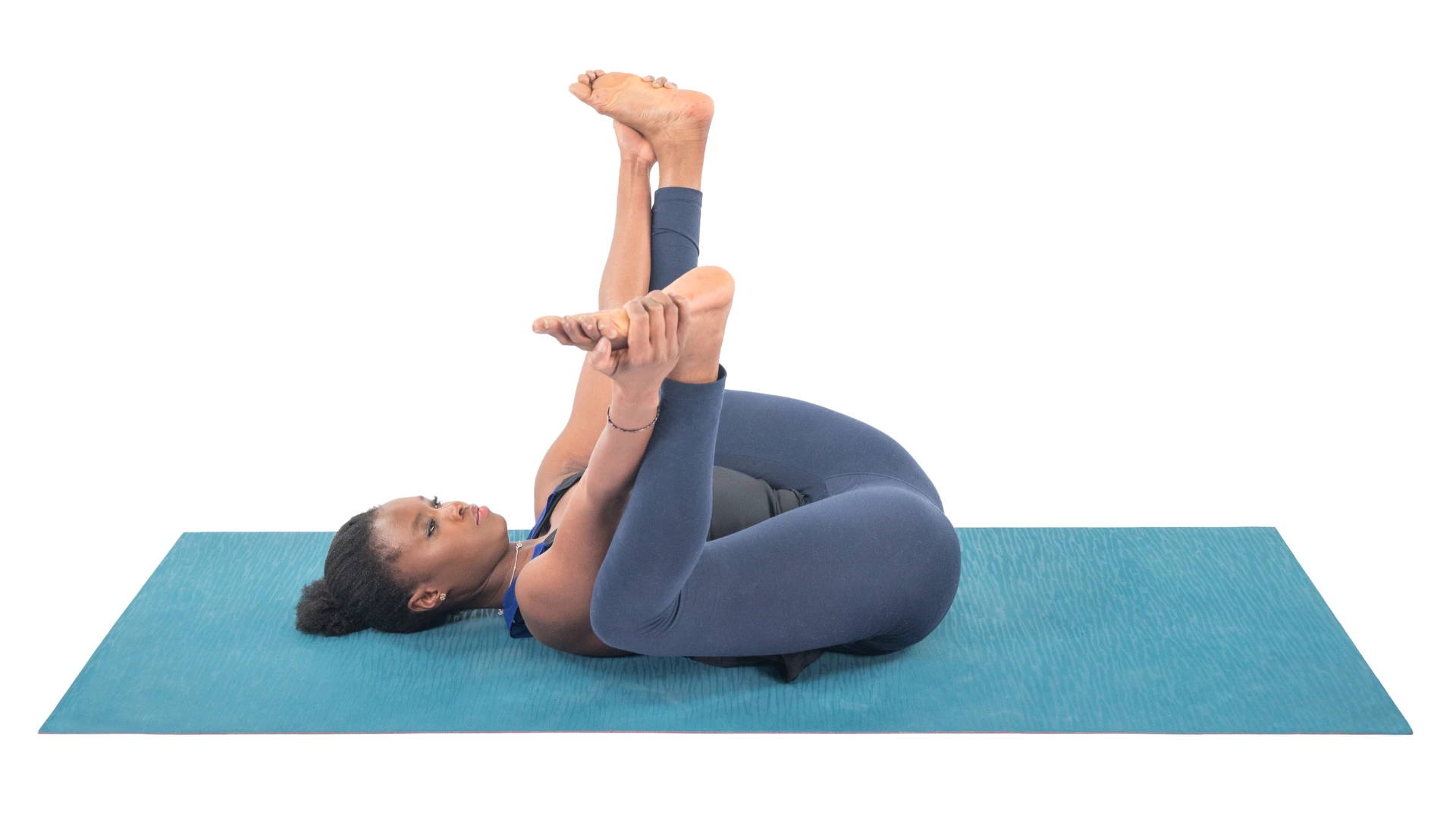
Introduction
The hips play a central role in almost every movement we make—walking, sitting, bending, running, and even maintaining balance. Despite their importance, the hips are one of the most commonly neglected areas of the body, often becoming tight, stiff, and uncomfortable over time. Modern lifestyles that involve long hours of sitting, limited movement, stress, and repetitive physical activities place excessive strain on the hip joints and surrounding muscles. Yoga offers a gentle yet powerful way to restore mobility, release tension, and bring balance back to this vital area of the body. Hip-opening yoga poses are especially effective for improving flexibility, reducing discomfort, and enhancing overall physical and emotional well-being.
Understanding Hip Tightness
Hip tightness develops when the muscles, connective tissues, and joints around the hips lose their natural elasticity and range of motion. The hip region includes several major muscle groups—such as the hip flexors, glutes, adductors, abductors, and deep rotator muscles—that work together to support movement and stability. When any of these muscles become shortened or overworked, the hips can feel restricted or painful.
One of the primary causes of tight hips is prolonged sitting. Sitting for extended periods keeps the hip flexors in a shortened position, leading them to adaptively tighten over time. This can create muscular imbalances, where some muscles become overly tight while others weaken, affecting posture and movement patterns. Activities like running, cycling, and weight training can also contribute to hip tightness if stretching and recovery are neglected.
Stress and emotional tension play an equally important role. The hips are often considered a storage area for emotional stress, and chronic tension can manifest physically as stiffness or discomfort. Additionally, aging naturally reduces joint lubrication and flexibility, making regular hip mobility work even more essential as we grow older.
Tight hips can lead to a variety of secondary issues, including lower back pain, knee discomfort, poor posture, reduced athletic performance, and an increased risk of injury. Recognizing the signs of hip tightness—such as difficulty squatting, discomfort during walking, or stiffness after sitting—is the first step toward addressing the problem.
Why Hip Openers Are Important
Hip-opening yoga poses are essential for maintaining a healthy, functional body. These poses gently stretch and strengthen the muscles around the hips, improving joint mobility and restoring balance to the musculoskeletal system. When the hips are flexible and strong, movement becomes more fluid and efficient, reducing unnecessary strain on the lower back, knees, and pelvis.
From a physical perspective, hip openers help counteract the negative effects of sedentary habits and repetitive motion. They increase blood circulation to the hip region, support joint lubrication, and promote better alignment throughout the body. Improved hip mobility can enhance posture, deepen other yoga poses, and improve performance in sports and daily activities.
Beyond the physical benefits, hip openers are deeply connected to emotional and mental well-being. In yogic philosophy, the hips are associated with the sacral chakra, which governs emotions, creativity, and self-expression. Practicing hip-opening poses can help release stored emotional tension, leading to feelings of relief, relaxation, and emotional clarity. It is not uncommon for practitioners to experience strong emotional responses during deep hip-opening poses, highlighting the powerful mind–body connection.
Regular practice of hip openers also supports stress reduction by encouraging slow, mindful breathing and present-moment awareness. Over time, this practice can cultivate patience, self-awareness, and a deeper connection to the body. Whether you are seeking relief from physical discomfort, improved flexibility, or emotional balance, incorporating hip-opening yoga poses into your routine can have a profound and lasting impact on overall health and well-being.
Anatomy of the Hips
The hips are among the largest and most complex structures in the human body. They serve as a central link between the upper and lower body, supporting body weight, enabling movement, and maintaining stability. Anatomically, the hips consist of bones, joints, muscles, ligaments, and connective tissues that work together to allow a wide range of motions such as flexion, extension, rotation, abduction, and adduction. Because the hips are involved in nearly every functional movement, even slight restrictions or imbalances can affect the entire body.
The hip joint is designed to be both strong and mobile, allowing freedom of movement while bearing significant loads. When the surrounding muscles and tissues are healthy and flexible, the hips function smoothly. However, stiffness, weakness, or imbalance in this region can lead to discomfort, limited mobility, and compensatory movement patterns elsewhere in the body.
Major Hip Muscles and Joints
The primary joint of the hip is the ball-and-socket joint, formed by the head of the femur (thigh bone) fitting into the acetabulum of the pelvis. This joint structure allows for multidirectional movement while providing stability. Supporting this joint is a network of powerful muscles that control movement and maintain alignment.
Key muscle groups involved in hip function include:
- Hip Flexors (Iliopsoas and Rectus Femoris): These muscles lift the knee toward the chest and play a major role in walking, running, and sitting. They are especially prone to tightness from prolonged sitting.
- Gluteal Muscles (Gluteus Maximus, Medius, and Minimus): The glutes support hip extension, stabilization, and balance. Weak or inactive glutes can contribute to hip and lower back pain.
- Adductors (Inner Thigh Muscles): These muscles bring the legs toward the midline and assist with stability and controlled movement.
- Abductors (Outer Hip Muscles): Including the gluteus medius and tensor fasciae latae, these muscles help stabilize the pelvis during walking and standing.
- Deep Hip Rotators: Small muscles beneath the glutes that control rotation and fine motor stability of the hip joint.
Ligaments and fascia further support the hips by providing structure and limiting excessive movement. When these muscles and tissues are balanced and flexible, the hips can move freely and efficiently.
Causes of Tight Hips (Sitting, Stress, Exercise)
One of the most common causes of tight hips is prolonged sitting. Sitting keeps the hips in a flexed position for long periods, causing the hip flexors to shorten and weaken while limiting blood flow and joint lubrication. Over time, this leads to stiffness and reduced range of motion.
Stress and emotional tension also contribute significantly to hip tightness. When the body experiences chronic stress, muscles naturally contract as part of the fight-or-flight response. The hips, being a core area of stability, often hold onto this tension, leading to deep-seated tightness that is not always relieved by superficial stretching.
Exercise and physical activity, while beneficial, can also cause hip tightness if not balanced properly. High-impact sports, repetitive movements, and strength training without adequate stretching can overwork certain hip muscles. Activities such as running, cycling, and weightlifting tend to emphasize hip flexion and extension, which can create muscular imbalances if recovery and mobility work are neglected.
Additional factors such as aging, poor posture, previous injuries, and lack of mobility training can further exacerbate hip stiffness, making regular hip-opening practices essential.
Benefits of Hip-Opening Yoga Poses
Hip-opening yoga poses offer a holistic approach to improving physical health, emotional well-being, and overall movement quality. These poses gently stretch tight muscles, strengthen weak areas, and encourage balanced engagement throughout the hip region. With consistent practice, hip openers help restore natural movement patterns and reduce chronic discomfort.
Improved Mobility and Flexibility
One of the most noticeable benefits of hip-opening yoga poses is improved mobility and flexibility. These poses lengthen tight muscles, increase joint range of motion, and improve circulation to the hips. As flexibility improves, everyday movements such as walking, bending, and squatting become easier and more comfortable.
Enhanced hip mobility also supports better performance in other physical activities and yoga poses. When the hips move freely, the body can transition smoothly between movements, reducing stiffness and enhancing overall body awareness.
Reduced Lower Back Pain
Tight hips are a major contributor to lower back pain. When hip mobility is limited, the lower back often compensates by overworking, leading to strain and discomfort. Hip-opening yoga poses help relieve this compensation by restoring balance between the hips and the spine.
By releasing tension in the hip flexors, glutes, and surrounding muscles, hip openers reduce stress on the lumbar spine and pelvis. This can lead to improved spinal alignment, reduced pain, and greater comfort during daily activities and prolonged sitting.
Emotional Release and Stress Reduction
Hip-opening poses are known for their powerful emotional effects. In yoga philosophy, the hips are associated with emotional storage, particularly stress, fear, and unresolved tension. Deep hip openers often trigger emotional responses, such as feelings of release, calm, or even unexpected emotions.
Slow, mindful breathing combined with sustained hip stretches activates the parasympathetic nervous system, promoting relaxation and stress relief. Over time, this practice can help reduce anxiety, improve emotional resilience, and foster a deeper sense of inner balance.
Better Posture and Balance
Healthy hips are essential for good posture and balance. Tight or weak hip muscles can cause misalignment in the pelvis, leading to slouching, uneven weight distribution, and instability. Hip-opening yoga poses help realign the pelvis, strengthen stabilizing muscles, and improve body awareness.
As posture improves, the spine can maintain its natural curves, reducing strain on the neck and back. Enhanced balance and stability also lower the risk of falls and injuries, especially as the body ages. Through consistent practice, hip-opening yoga supports a strong, upright posture and a more confident, grounded presence both on and off the mat.
Safety Tips Before Practicing Hip Openers
Hip-opening yoga poses can be deeply beneficial, but they also require mindfulness and proper preparation. The hip joint is complex and surrounded by strong muscles and ligaments, which means forcing stretches or skipping preparation can lead to strain or injury. Practicing safely ensures long-term progress, comfort, and a positive experience on the mat.
Warming Up Properly
A thorough warm-up is essential before practicing hip-opening poses. Cold muscles are less elastic and more prone to injury, especially in deep stretches that target the hips. Begin your practice with gentle movements that increase blood flow and gradually mobilize the joints.
Effective warm-up poses include Cat–Cow, gentle spinal twists, pelvic tilts, hip circles, and slow Sun Salutations. These movements prepare the hips, spine, and legs for deeper work by loosening tight areas and activating supporting muscles. A proper warm-up not only enhances flexibility but also allows you to access hip openers more comfortably and safely.
Listening to Your Body
Listening to your body is one of the most important principles in yoga. Hip openers can feel intense, but there is a clear difference between healthy sensation and pain. Sensations of stretching, warmth, or mild discomfort are normal, while sharp, pinching, or stabbing pain is a sign to ease out of the pose.
Move slowly into each posture and allow the body time to adapt. Avoid comparing your flexibility to others, as hip structure varies greatly from person to person. Using the breath as a guide is helpful—if you can breathe deeply and calmly, you are likely within a safe range. If the breath becomes strained, it may be time to back off or modify the pose.
Contraindications and Modifications
Certain conditions require caution or modification when practicing hip openers. Individuals with hip injuries, labral tears, knee problems, sciatica, or recent surgeries should consult a healthcare professional or experienced yoga teacher before attempting deep hip-opening poses.
Pregnant practitioners should avoid extreme hip stretches and compressive poses, opting instead for gentle, supported variations. Props such as blocks, bolsters, folded blankets, and straps can significantly reduce strain and make poses more accessible. Modifying poses is not a sign of weakness but a way to honor the body’s needs and ensure a safe practice.
Best Yoga Poses for Opening the Hips
Butterfly Pose (Baddha Konasana)
Butterfly Pose is a foundational seated hip opener that gently stretches the inner thighs, groins, and hips. Sitting upright with the soles of the feet together allows gravity to encourage the knees toward the floor, releasing tension gradually.
This pose improves hip mobility and circulation while calming the nervous system. Keeping the spine long and the chest open enhances the benefits. For added comfort, placing blocks or cushions under the knees reduces strain and supports relaxation.
Garland Pose (Malasana)
Garland Pose is a deep squat that opens the hips, groins, and ankles while strengthening the legs and improving balance. This pose encourages natural movement patterns that are often lost due to prolonged sitting.
Malasana promotes hip flexibility and improves digestion by gently compressing the abdominal organs. Beginners can place a folded blanket under the heels or sit on a block for added support and stability.
Low Lunge (Anjaneyasana)
Low Lunge is an excellent pose for stretching the hip flexors, especially for those who spend long hours sitting. By extending one leg back and bending the front knee, this pose targets the front of the hips while strengthening the legs and core.
Maintaining an upright torso and engaging the core protects the lower back. Raising the arms overhead deepens the stretch and enhances balance and focus.
Pigeon Pose (Eka Pada Rajakapotasana)
Pigeon Pose is one of the most effective and intense hip openers in yoga. It deeply stretches the outer hips, glutes, and hip rotators while also releasing stored tension.
Because of its intensity, Pigeon Pose should be approached with caution. Supporting the hips with a block or blanket helps maintain alignment and reduces stress on the knees. Staying mindful of breath and sensation is essential in this pose.
Frog Pose (Mandukasana)
Frog Pose is a deep, powerful hip opener that targets the inner thighs and groin. This pose requires patience and mindfulness, as it can feel very intense, especially for beginners.
Practicing Frog Pose with support under the hips or chest helps reduce strain. It is important to move slowly and avoid forcing the knees or hips beyond their comfortable range.
Happy Baby Pose (Ananda Balasana)
Happy Baby Pose is a gentle yet effective way to open the hips and release tension in the lower back. Lying on the back while holding the feet or shins allows the hips to open naturally with the support of the floor.
This pose encourages relaxation, relieves stress, and promotes mindful breathing. Rocking gently side to side can massage the spine and deepen relaxation.
Bound Angle Forward Fold
This variation of Bound Angle Pose adds a forward fold to deepen the stretch in the hips and inner thighs. Folding forward encourages relaxation and introspection while increasing flexibility.
Using props to support the torso allows the body to release without strain. This pose is especially beneficial for calming the mind and relieving fatigue.
Wide-Legged Forward Fold (Prasarita Padottanasana)
Wide-Legged Forward Fold opens the hips, hamstrings, and inner thighs while strengthening the legs and improving circulation. The wide stance allows the hips to rotate freely, making this an effective hip-opening pose.
Keeping the spine long and folding from the hips prevents strain on the lower back. Using blocks for hand support or resting the head on a prop can make the pose more accessible and restorative.
Creating a Hip-Opening Yoga Routine
Designing a hip-opening yoga routine requires intention, balance, and consistency. Rather than focusing only on deep stretches, an effective routine includes gentle warm-ups, progressive hip openers, strengthening poses, and calming postures to release tension safely. The goal is to support long-term hip health, not to force flexibility in a single session.
A well-rounded hip-opening routine should address all areas of the hips—front, back, inner, and outer hips—while also supporting the lower back and knees. Incorporating breath awareness and mindful movement helps the body relax into each posture, making the practice both physically effective and mentally grounding. Whether you are a beginner or an experienced practitioner, creating a structured routine ensures steady progress and reduces the risk of injury.
Sample Practice Sequence
Below is a gentle yet effective hip-opening sequence that can be adapted to different levels. Move slowly, maintain steady breathing, and use props whenever needed.
- Centering and Breath Awareness (2–3 minutes)
Begin seated or lying down. Focus on slow, deep breaths to calm the nervous system and bring awareness to the hips. - Gentle Warm-Up (5–7 minutes)
- Cat–Cow Pose
- Seated or Supine Spinal Twists
- Hip Circles and Pelvic Tilts
These movements warm the joints and prepare the hips for deeper stretches.
- Dynamic Hip Openers (8–10 minutes)
- Low Lunge (Anjaneyasana), both sides
- Garland Pose (Malasana) with support
- Wide-Legged Forward Fold (Prasarita Padottanasana)
These poses gently open the hips while building strength and stability.
- Deep Hip-Opening Poses (8–12 minutes)
- Butterfly Pose (Baddha Konasana)
- Pigeon Pose (Eka Pada Rajakapotasana) or a supported variation
- Frog Pose (Mandukasana), optional for experienced practitioners
Hold each pose for several breaths, allowing time for release.
- Supine Hip Openers and Release (5–7 minutes)
- Happy Baby Pose (Ananda Balasana)
- Supine Figure-Four Stretch
These poses allow the hips to open with full support from the floor.
- Cool Down and Relaxation (5 minutes)
- Bound Angle Forward Fold
- Gentle Supine Twist
- Final Relaxation (Savasana)
This phase integrates the benefits of the practice and promotes deep relaxation.
This sequence can be shortened or extended depending on your available time and energy levels.
Frequency and Duration
Consistency is more important than intensity when it comes to hip-opening yoga. Practicing hip openers 3 to 5 times per week yields the best results for flexibility and joint health. Short daily sessions of 15–20 minutes can be just as effective as longer practices done less frequently.
For deeper releases, longer sessions of 30–45 minutes allow sufficient time for muscles and connective tissues to relax. However, it is important to give the body time to recover, especially after intense hip-opening poses. Alternating between gentle and deeper sessions helps prevent overuse and supports sustainable progress.
Conclusion
Hip-opening yoga is a powerful practice that supports both physical and emotional well-being. By addressing one of the body’s most important and commonly restricted areas, hip openers help restore natural movement, reduce discomfort, and promote overall balance. When practiced mindfully and consistently, these poses can transform the way you move, sit, and feel in your daily life.
Key Takeaways
- Tight hips are common due to sitting, stress, and repetitive movement patterns.
- Hip-opening yoga poses improve flexibility, mobility, posture, and balance.
- Proper warm-up, mindful breathing, and listening to your body are essential for safety.
- Emotional release and stress reduction are natural benefits of hip-opening practices.
- Consistency and patience lead to long-term improvements.
Encouragement for Consistent Practice
Progress in hip-opening yoga is gradual and deeply personal. Some days the hips may feel open and relaxed, while on other days they may feel resistant—and both experiences are completely normal. The key is to approach your practice with patience, compassion, and curiosity rather than force or expectation.
By committing to regular practice, even for a few minutes a day, you create space for healing, growth, and self-awareness. Over time, consistent hip-opening yoga can lead to greater ease of movement, emotional resilience, and a deeper connection to your body. Stay gentle, stay present, and trust the process—your hips will respond in their own time.