 By DailyYogafactsblog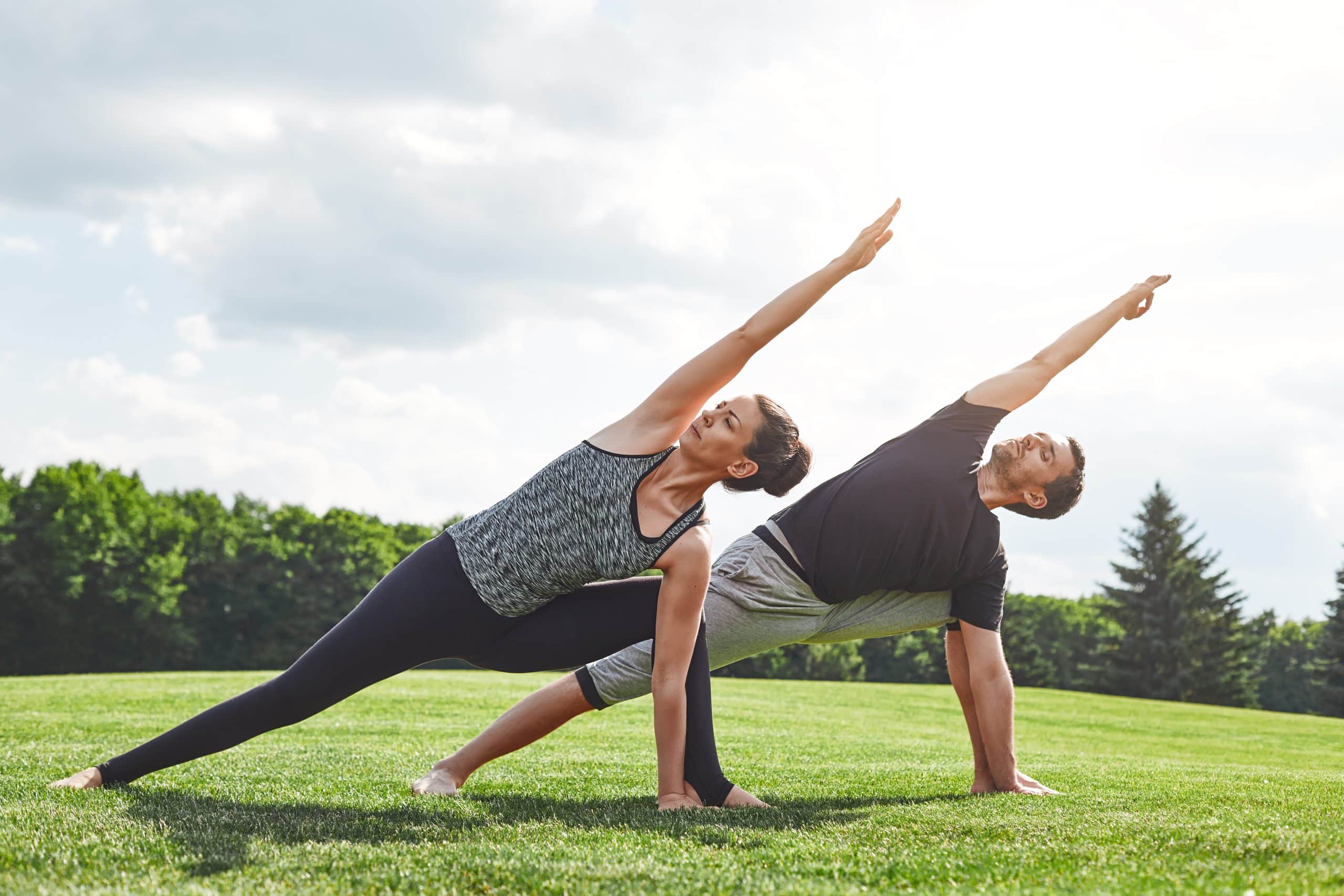
Introduction
Couples yoga is a powerful and meaningful way for two people to connect through movement, breath, and mindfulness. Unlike solo yoga, couples yoga emphasizes cooperation rather than competition, encouraging partners to support, balance, and communicate with one another. Practicing yoga together creates a shared experience that nurtures trust, deepens emotional bonds, and strengthens physical connection. Whether you are romantic partners, close friends, or family members, couple yoga offers an opportunity to slow down, be present, and grow together—both on and off the mat.
In today’s fast-paced world, many relationships suffer from stress, distractions, and lack of quality time. Couples yoga provides a gentle yet effective way to reconnect, offering a space where partners can move in harmony, breathe together, and cultivate mutual awareness. Through consistent practice, couple yoga can become a meaningful ritual that supports overall well-being and relationship health.
What Is Couples Yoga?
Couples yoga, also known as partner yoga, is a form of yoga practiced by two people working together in shared poses, stretches, and breathing exercises. It blends traditional yoga postures with partner-assisted movements, where each person provides support, balance, or gentle resistance to the other. Unlike competitive physical activities, couples yoga focuses on collaboration, trust, and mindful interaction.
In couples yoga, partners may mirror each other’s movements, lean into one another for balance, or assist with deeper stretches in a safe and controlled way. Many poses are adapted versions of classic yoga postures, modified to include physical connection and mutual support. Breath synchronization, eye contact, and verbal communication are often encouraged, making the practice deeply interactive and engaging.
Couples yoga can range from very gentle and restorative practices to more dynamic and strength-based sessions, depending on the couple’s experience level and goals. The emphasis is not on perfection but on connection, awareness, and shared presence.
Why Practice Yoga Together?
Practicing yoga together allows couples to spend intentional, distraction-free time with one another. In a world filled with screens and responsibilities, couples yoga creates a space for partners to truly focus on each other without external interruptions. This shared practice encourages teamwork and cooperation, helping partners learn how to move, breathe, and adapt together.
Yoga also teaches patience, empathy, and non-judgment—qualities that are essential for healthy relationships. When partners support each other through challenging poses or moments of imbalance, they develop a deeper understanding of each other’s strengths and limitations. This can translate into improved communication and emotional resilience in daily life.
Additionally, practicing yoga together can be fun and playful. Laughter often arises when trying new poses or finding balance together, helping couples relax and enjoy each other’s company. Over time, this shared experience can strengthen the bond between partners and create positive shared memories.
Physical, Emotional, and Spiritual Benefits
Physical Benefits
Couples yoga improves flexibility, strength, balance, and posture while allowing partners to support one another physically. Partner-assisted poses can help deepen stretches safely and improve body awareness. Working together in poses also enhances core strength, coordination, and joint mobility. Practicing regularly can reduce muscle tension, improve circulation, and promote overall physical well-being.
Emotional Benefits
Emotionally, couples yoga fosters trust, intimacy, and open communication. Physical touch combined with mindful movement can release emotional tension and create a sense of safety and closeness. Sharing breath and movement helps partners feel more connected and emotionally attuned to one another. Couples yoga can also reduce stress and anxiety, allowing both partners to feel calmer and more emotionally balanced.
Spiritual Benefits
On a spiritual level, couples yoga encourages mindfulness, presence, and shared intention. Practicing together can help partners align their values and deepen their sense of unity. Breathwork, meditation, and moments of stillness allow couples to cultivate gratitude, compassion, and awareness—not only toward themselves but also toward each other. This shared spiritual experience can strengthen the feeling of partnership and mutual growth.
Who Can Practice Couples Yoga?
Couples yoga is suitable for people of all ages, fitness levels, and relationship types. Romantic partners, married couples, long-term partners, friends, siblings, and even parent–child pairs can benefit from practicing yoga together. No prior yoga experience is required, as many poses can be easily modified to suit beginners.
Couples yoga is especially beneficial for beginners who may feel more comfortable practicing with someone they trust. It is also valuable for experienced yogis who want to explore deeper connection and advanced partner poses. Seniors and individuals with limited mobility can practice gentle and restorative versions of couples yoga, focusing on breathing, stretching, and relaxation.
The most important requirement for couples yoga is willingness—willingness to communicate, support, and be present with one another. With mutual respect and mindful practice, couples yoga can be adapted to suit almost anyone seeking a deeper connection and shared well-being.
The Benefits of Yoga for Couples
Practicing yoga together offers couples a unique opportunity to grow physically, emotionally, and mentally while strengthening their relationship. Unlike many shared activities, couples yoga emphasizes cooperation, presence, and mutual support rather than performance or competition. Over time, this shared practice can positively influence how partners communicate, manage stress, and connect with one another in daily life.
Improving Communication and Trust
Couples yoga naturally encourages open and honest communication. Many partner poses require verbal cues, gentle guidance, and clear expression of comfort levels. Partners learn to ask for support, offer feedback respectfully, and listen attentively—skills that are essential for healthy communication off the mat as well.
Trust is developed as partners rely on one another for balance, support, and safety. Leaning into a partner during a pose or allowing them to assist with a stretch builds confidence in each other’s presence and intentions. Over time, this physical trust translates into emotional trust, helping couples feel more secure and supported in their relationship.
Yoga also teaches patience and acceptance. When a pose doesn’t go as planned, couples learn to adapt together rather than blame or criticize. This shared problem-solving approach strengthens mutual respect and deepens trust.
Building Emotional Intimacy
Emotional intimacy grows when couples share meaningful experiences with full awareness and presence. Couples yoga creates a calm and supportive environment where partners can connect beyond words. Eye contact, synchronized breathing, and gentle touch help partners feel seen, understood, and emotionally connected.
The practice encourages vulnerability in a safe and non-judgmental space. As partners move through poses together, they may become more aware of each other’s emotions, energy, and needs. This heightened awareness can lead to deeper empathy and emotional closeness.
Regular practice also provides a dedicated time for connection, free from distractions. This intentional togetherness helps couples nurture emotional bonds and reinforces the importance of prioritizing their relationship.
Enhancing Physical Connection
Physical connection is an important aspect of many relationships, and couples yoga strengthens this connection in a mindful and respectful way. Partner poses often involve coordinated movement, shared balance, and supportive touch, helping couples feel more physically attuned to one another.
Through yoga, partners become more aware of their own bodies as well as their partner’s movements and boundaries. This awareness improves coordination, sensitivity, and mutual respect. Gentle physical support during poses can increase confidence and create a sense of unity and teamwork.
Couples yoga can also enhance overall physical health, leading to increased energy, flexibility, and strength—factors that contribute to a more active and connected lifestyle together.
Reducing Stress Together
Stress can negatively impact relationships, often leading to tension, miscommunication, and emotional distance. Couples yoga provides a shared method for managing stress in a healthy and supportive way. Breathwork, slow movements, and relaxation techniques help calm the nervous system and release physical and mental tension.
Practicing relaxation together creates a sense of shared calm and emotional safety. When both partners learn how to regulate stress through yoga, they are better equipped to support each other during challenging times. This shared coping mechanism can reduce conflict and promote emotional balance.
Over time, couples may find that they respond to stressful situations with greater patience and understanding, both on and off the mat.
Strengthening Relationship Harmony
Harmony in a relationship comes from balance, understanding, and shared growth. Couples yoga helps cultivate these qualities by encouraging partners to move in sync, support one another, and respect individual differences. The practice reinforces the idea that both partners contribute equally to the relationship’s strength and stability.
Yoga philosophy also emphasizes mindfulness, compassion, and non-attachment—principles that can enhance relationship harmony. Couples learn to let go of unrealistic expectations, appreciate the present moment, and approach challenges with kindness and awareness.
By practicing regularly, couples can create a sense of rhythm and balance in their relationship, fostering long-term harmony and mutual growth.
Preparing for Couples Yoga Practice
Proper preparation helps ensure that couples yoga is safe, enjoyable, and meaningful. Creating the right environment and mindset allows partners to fully benefit from the practice while minimizing discomfort or risk.
Creating a Safe and Comfortable Space
Choose a quiet, clean, and clutter-free area where both partners feel relaxed and at ease. The space should be large enough for two yoga mats placed side by side with room to move freely. Soft lighting, natural light, or candles can help create a calming atmosphere.
Ensure the floor is stable and non-slip to prevent accidents. If practicing at home, consider using a yoga mat or soft surface to support joints and improve comfort. A peaceful environment helps couples stay focused and present during the practice.
Choosing the Right Time and Mood
Select a time when both partners are relaxed and not rushed. Practicing yoga when one or both partners are stressed, tired, or distracted can reduce the quality of the experience. Early mornings or evenings often work well, as these times naturally support calmness and reflection.
Set a positive and open mood before beginning. Taking a few moments to breathe together or share intentions can help both partners transition into the practice with a sense of presence and cooperation.
Setting Shared Intentions
Setting a shared intention helps align both partners mentally and emotionally. This intention could be something simple, such as “practicing patience,” “deepening connection,” or “supporting each other.” Shared intentions create a sense of unity and purpose throughout the practice.
Intentions do not need to be serious or complex. They can also focus on fun, relaxation, or exploration. The key is to agree on an intention that resonates with both partners and supports a positive experience.
Required Equipment and Props
Couples yoga does not require much equipment, but a few basic props can enhance comfort and safety. Yoga mats provide cushioning and prevent slipping. Blocks, cushions, or bolsters can support poses and make them more accessible, especially for beginners.
A blanket can be useful for warmth during relaxation or to support joints during seated poses. Comfortable clothing that allows free movement is essential for both partners.
Safety Guidelines and Contraindications
Safety is essential in couples yoga. Partners should always communicate openly about comfort levels, physical limitations, and any existing injuries or health conditions. Poses should never cause pain or strain, and modifications should be used whenever necessary.
Avoid forcing stretches or relying too heavily on a partner for support. Each person should maintain control of their own body at all times. If either partner feels discomfort, dizziness, or pain, the pose should be stopped immediately.
Individuals with medical conditions, recent injuries, or during pregnancy should consult a qualified healthcare professional or experienced yoga instructor before practicing couples yoga. Prioritizing safety ensures that the practice remains supportive, enjoyable, and beneficial for both partners.
Communication and Trust in Couples Yoga
Communication and trust are the foundation of couples yoga. Unlike individual practice, partner yoga requires constant awareness of another person’s body, emotions, and boundaries. Through mindful interaction, couples learn how to support one another physically and emotionally, creating a deeper sense of connection and safety that extends beyond the mat.
The Role of Eye Contact and Touch
Eye contact is a powerful tool in couples yoga. Holding gentle eye contact during poses or breathing exercises helps partners feel seen and emotionally connected. It encourages presence and reduces distractions, allowing both partners to focus fully on each other. Even brief moments of eye contact can strengthen trust and deepen intimacy.
Touch in couples yoga should always be mindful, respectful, and intentional. Supportive touch—such as holding hands, supporting the back, or offering balance—helps create a sense of safety and reassurance. Touch also increases body awareness and helps partners communicate comfort or discomfort without words. When practiced with consent and sensitivity, touch becomes a bridge for connection rather than a source of pressure.
Verbal and Non-Verbal Communication
Clear communication is essential in partner yoga. Verbal communication allows partners to express needs, set boundaries, and give gentle guidance during poses. Simple phrases like “Is this okay?” or “Let me know if you need support” help maintain safety and comfort.
Non-verbal communication is equally important. Body language, breathing patterns, and subtle shifts in movement provide valuable information about a partner’s comfort level. Learning to read these cues helps partners respond with empathy and adjust poses accordingly. Over time, couples develop a deeper understanding of each other’s signals, enhancing both trust and connection.
Practicing Patience and Mutual Respect
Couples yoga teaches patience by reminding partners that everyone has different strengths, limitations, and learning curves. One partner may be more flexible, while the other may have better balance or strength. Respecting these differences fosters acceptance and reduces frustration.
Mutual respect means honoring boundaries and never forcing a pose or movement. Couples learn to move at a shared pace, offering encouragement rather than pressure. This respectful approach helps create a supportive environment where both partners feel valued and safe.
Letting Go of Competition
Competition can weaken connection in couples yoga. Comparing abilities or striving to “perform” a pose perfectly shifts the focus away from shared experience. Couples yoga invites partners to let go of ego and embrace cooperation instead.
By focusing on connection rather than achievement, couples learn to celebrate small successes together. Laughter, playfulness, and curiosity replace judgment and pressure. Letting go of competition allows the practice to become a space of trust, joy, and mutual growth.
Warm-Up Poses for Couples
Warming up together prepares the body and mind for deeper poses while reinforcing connection and awareness. A thoughtful warm-up reduces the risk of injury and helps couples ease into the practice with presence and intention.
Breath Awareness and Partner Breathing
Breath awareness is a gentle and effective way to begin couples yoga. Partners can sit facing each other or back-to-back, focusing on slow, steady breathing. Partner breathing involves synchronizing inhalations and exhalations, creating a shared rhythm.
This practice calms the nervous system, improves focus, and strengthens emotional connection. Breathing together helps partners feel grounded and aligned, setting a peaceful tone for the session.
Seated Stretching Together
Seated stretches are ideal for warming up the spine, hips, and shoulders. Partners can sit facing each other with legs extended, gently holding hands or wrists to support forward folds or side stretches. These stretches improve flexibility while encouraging cooperation and communication.
Seated stretching together promotes awareness of alignment and shared movement. Partners can adjust the intensity by leaning back or forward, ensuring comfort and safety for both.
Gentle Joint Mobilization
Gentle joint movements help lubricate joints and prepare the body for more dynamic poses. Couples can perform slow neck rolls, shoulder circles, wrist rotations, and ankle movements together. Practicing these movements in sync enhances coordination and mindfulness.
Joint mobilization reduces stiffness, increases range of motion, and helps prevent strain. Doing these exercises together encourages attentiveness and shared pacing.
Synchronizing Movement and Breath
Synchronizing movement with breath is a key element of couples yoga warm-ups. Simple movements like arm raises, gentle twists, or side bends can be coordinated with inhalations and exhalations. Moving together in rhythm builds harmony and balance.
This synchronization strengthens focus and encourages partners to stay present with each other. It also sets the foundation for more advanced partner poses by reinforcing teamwork, timing, and mutual awareness.
Conclusion
Couples yoga is more than a physical activity—it is a shared journey of connection, awareness, and growth. By practicing together, partners create space for trust, communication, and mutual support to flourish. Each session becomes an opportunity to slow down, be present, and reconnect in a meaningful way. Over time, couples yoga can transform not only how partners move together on the mat, but also how they relate to one another in everyday life.
The Long-Term Benefits of Couples Yoga
With regular practice, the benefits of couples yoga extend far beyond flexibility and strength. Physically, partners may experience improved posture, balance, coordination, and overall health. Emotionally, couples often notice increased patience, empathy, and emotional resilience. Yoga’s calming effects on the nervous system help partners manage stress more effectively, reducing tension and conflict in the relationship.
Long-term practice also strengthens trust and communication. As partners learn to listen to each other’s needs and respond with care, they build a deeper sense of security and understanding. Couples yoga can become a stable foundation that supports personal growth while nurturing the relationship as a whole.
Deepening Connection Through Shared Practice
Shared practice creates shared meaning. Couples yoga encourages partners to move, breathe, and relax together, reinforcing a sense of unity and partnership. The rituals of setting intentions, supporting each other in poses, and resting together in stillness help deepen emotional and spiritual connection.
Over time, this shared experience fosters greater awareness of each other’s energy, emotions, and boundaries. Partners become more attuned to one another, both on and off the mat. This deeper connection often leads to improved communication, greater compassion, and a stronger emotional bond.
Encouragement to Practice Regularly
Consistency is key to experiencing the full benefits of couples yoga. Regular practice—whether once a week or several times a week—helps partners build rhythm and familiarity. Even short sessions can be meaningful when practiced with presence and intention.
Couples are encouraged to approach the practice with openness and flexibility. Some days may feel more challenging, while others may feel light and joyful. Embracing these variations without judgment allows couples yoga to remain supportive and sustainable. With time, it can become a cherished ritual that strengthens both individual well-being and the relationship.
Frequently Asked Questions (FAQs)
Can Beginners Practice Couples Yoga?
Yes, beginners can absolutely practice couples yoga. Many couples yoga poses are simple and adaptable, making them suitable for those new to yoga. Beginners are encouraged to start with gentle stretches, basic partner poses, and breathing exercises. Clear communication and mindful movement are more important than flexibility or strength.
Is Couples Yoga Only for Romantic Partners?
No, couples yoga is not limited to romantic relationships. It can be practiced by friends, siblings, parents and children, or any two people who share mutual trust and respect. The focus is on connection, communication, and shared experience rather than romance alone.
How Often Should Couples Practice Together?
The frequency of practice depends on individual schedules and goals. Practicing once or twice a week can provide noticeable benefits, while more frequent sessions may deepen connection and physical progress. Even occasional practice can be valuable if approached with intention and consistency. The most important factor is finding a rhythm that feels enjoyable and sustainable for both partners.