 By DailyYogafactsblog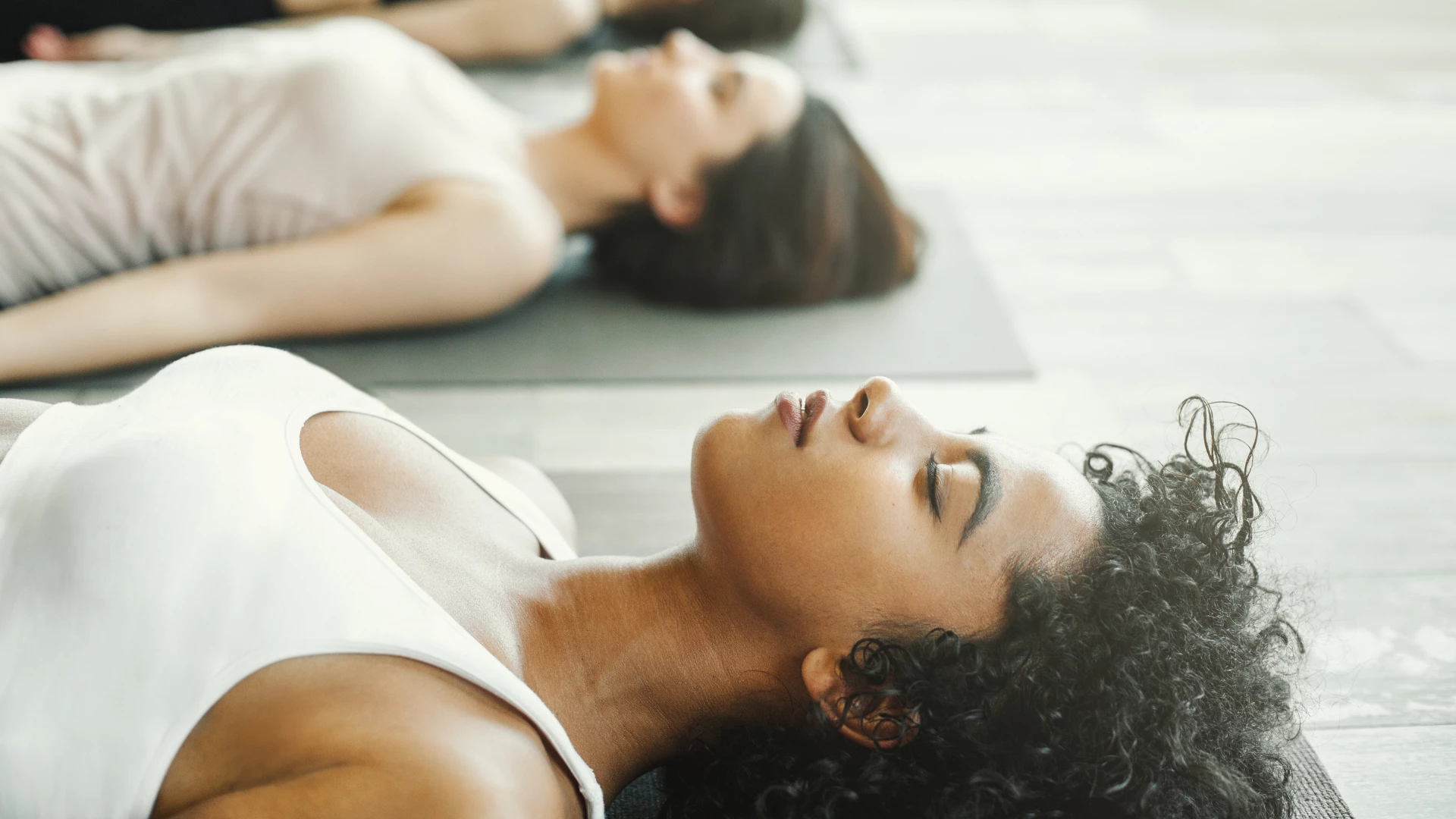
Introduction
Sleep is meant to be the body’s most natural form of healing, yet for millions of people today, true rest feels increasingly out of reach. Long days, overstimulating screens, constant mental pressure, and emotional overload have created a world where exhaustion is common—but deep, restorative sleep is rare. In this landscape, ancient practices are resurfacing with renewed relevance. One such practice is Yoga Nidra, a guided sleep meditation that offers profound rest without effort, struggle, or physical exertion.
Yoga Nidra invites you into a state of conscious relaxation where the body sleeps, but awareness remains gently awake. It is not about “trying” to fall asleep; instead, it teaches the nervous system how to let go. For those who feel wired but tired, mentally restless, or emotionally drained, Yoga Nidra offers a doorway back to natural rest and inner balance.
Understanding the Modern Sleep Crisis
Modern life is fundamentally misaligned with our biological need for rest. Artificial lighting disrupts circadian rhythms, digital devices overstimulate the nervous system, and chronic stress keeps the body locked in survival mode. Even when we lie down at night, the mind often continues racing—replaying conversations, planning tomorrow, or worrying about the future.
Sleep deprivation has become normalized, yet its consequences are serious. Poor sleep is linked to anxiety, depression, weakened immunity, hormonal imbalance, impaired focus, and chronic pain. Many people turn to sleeping pills, caffeine cycles, or late-night scrolling, which only deepen the problem rather than resolve it.
At the core of the modern sleep crisis is nervous system dysregulation. The body no longer knows how to shift naturally from “doing” into “being.” Yoga Nidra addresses this root issue by activating the parasympathetic nervous system—the body’s rest-and-repair mode—allowing sleep and healing to arise organically.
What Is Yoga Nidra?
Yoga Nidra is a systematic, guided meditation practiced while lying down in complete stillness, usually in Savasana. The practitioner is led through stages of awareness that relax the body, calm the breath, and gently withdraw the senses from the external world. Unlike seated meditation, Yoga Nidra requires no concentration, posture control, or mental discipline.
The practice guides awareness through:
- Conscious relaxation of the physical body
- Observation of breath and sensations
- Visualization and subconscious imagery
- Deep states of mental stillness
During Yoga Nidra, the body enters a state similar to deep sleep, while the mind remains quietly aware. This unique state allows profound restoration to occur in a relatively short time. Just 20–30 minutes of Yoga Nidra can feel as refreshing as hours of conventional sleep.
Importantly, Yoga Nidra is accessible to everyone—regardless of age, flexibility, or meditation experience. All you need to do is lie down, listen, and allow.
Why Yoga Nidra Is Called “Yogic Sleep”
The term Yoga Nidra literally translates to “yogic sleep.” However, this is not ordinary sleep. In regular sleep, awareness disappears; in Yoga Nidra, awareness is preserved. This conscious sleep state allows the practitioner to rest deeply while remaining mentally present.
From a neurological perspective, Yoga Nidra guides the brain into slower wave patterns—alpha, theta, and even delta waves—associated with deep relaxation, creativity, and healing. These are the same brain states experienced during the most restorative phases of sleep, but without losing consciousness.
This is why Yoga Nidra is so powerful:
- The body experiences deep rest
- The mind releases unconscious tension
- The subconscious becomes receptive to positive change
In yogic philosophy, this state is considered a gateway to inner transformation. By resting in awareness, the practitioner reconnects with a sense of wholeness that lies beneath stress, fatigue, and mental noise. Yoga Nidra doesn’t just help you sleep better—it teaches you how to rest deeply while awake, a skill that carries into every aspect of life.
The Origins and Philosophy of Yoga Nidra
Yoga Nidra is not a modern wellness trend—it is a profound practice rooted in ancient yogic wisdom. For thousands of years, yogic traditions have explored states of consciousness beyond waking, dreaming, and deep sleep. Yoga Nidra emerges from this exploration as a bridge between ordinary awareness and deeper layers of the mind, offering rest, insight, and transformation.
In classical yoga philosophy, true rest is not merely physical; it is a release from mental fluctuations and subconscious tension. Yoga Nidra was developed as a method to systematically access these deeper layers, allowing practitioners to experience stillness while remaining conscious. This balance of effortlessness and awareness lies at the heart of the practice.
Ancient Roots in Yogic Tradition
The foundations of Yoga Nidra can be traced back to ancient texts such as the Upanishads, Tantras, and later yogic teachings that describe nyasa—a ritual of consciously placing awareness on different parts of the body. This practice of rotating awareness became a cornerstone of Yoga Nidra.
In tantric philosophy, sleep is viewed as a sacred doorway rather than a loss of consciousness. Yogis observed that the moments just before sleep and just after waking held immense spiritual potential. Yoga Nidra evolved as a way to consciously enter these liminal states without falling unconscious.
In the 20th century, Yoga Nidra was systematized and popularized by modern yoga masters, making the practice accessible to householders rather than only ascetics. While the structure became more approachable, the essence remained the same: deep rest combined with heightened awareness.
Yoga Nidra and the State Between Wakefulness and Sleep
Yoga Nidra guides practitioners into a unique state that exists between waking and sleeping—a threshold where the mind becomes quiet, yet awareness remains intact. This is often referred to as the hypnagogic state, where the usual boundaries of conscious thought dissolve.
In this state:
- The physical body is deeply relaxed and motionless
- The thinking mind softens and slows
- The subconscious becomes accessible
Because mental defenses are lowered, deeply held patterns, emotions, and beliefs can surface gently and release without force. This is why Yoga Nidra can feel emotionally soothing, even transformative, without requiring effort or analysis.
Yogic philosophy teaches that this threshold state allows us to reconnect with our natural wholeness—free from identity, stress, and constant doing. Yoga Nidra offers a safe and guided way to visit this inner space regularly.
Sankalpa: The Power of Intention
At the heart of Yoga Nidra lies Sankalpa, a short, positive intention or resolve planted during the most receptive state of awareness. Unlike a goal or affirmation made from the thinking mind, a Sankalpa arises from the deeper self and is felt rather than forced.
Because Yoga Nidra accesses the subconscious, the Sankalpa has the power to:
- Rewire limiting beliefs
- Support emotional healing
- Strengthen inner resilience and clarity
Traditional teachings emphasize choosing a Sankalpa that reflects your highest truth—something already present within you, waiting to be awakened. When repeated regularly in Yoga Nidra, this intention gently reshapes your inner landscape, influencing thoughts, actions, and emotional responses in daily life.
How Yoga Nidra Works
Yoga Nidra works by guiding the body and mind into a state of profound relaxation while maintaining conscious awareness. This combination activates the body’s natural healing mechanisms and quiets the mental noise that blocks deep rest.
Rather than “doing” relaxation, Yoga Nidra allows relaxation to happen naturally by aligning awareness with the body’s innate intelligence.
Brain Waves and the Relaxation Response
During Yoga Nidra, brain activity gradually shifts from active beta waves (associated with thinking and stress) into alpha, theta, and sometimes delta waves, which are linked to creativity, deep rest, and healing.
These slower brain waves:
- Reduce cortisol and stress hormones
- Improve memory and motional regulation
- Promote physical repair and immune function
This neurological shift explains why a short Yoga Nidra session can feel deeply refreshing, often comparable to several hours of sleep.
The Nervous System: Shifting From Stress to Rest
One of Yoga Nidra’s most powerful effects is its ability to regulate the nervous system. Modern stress keeps the body in a constant sympathetic (fight-or-flight) state. Yoga Nidra gently activates the parasympathetic (rest-and-digest) response.
As the nervous system settles:
- Heart rate slows
- Blood pressure decreases
- Muscles release long-held tension
Over time, regular practice retrains the nervous system to recover more quickly from stress, leading to better sleep, emotional stability, and overall resilience.
Conscious Awareness During Deep Relaxation
What sets Yoga Nidra apart from ordinary sleep is conscious awareness. Even as the body enters a deeply relaxed, sleep-like state, a thread of awareness remains present. This awareness acts as a witness—observing sensations, breath, and mental imagery without attachment.
This witnessing quality:
- Prevents unconscious emotional buildup
- Encourages self-understanding and clarity
- Creates space between experience and reaction
Through repeated practice, this awareness begins to extend beyond Yoga Nidra sessions, helping practitioners navigate daily life with greater calm, presence, and ease.
Benefits of Yoga Nidra
Yoga Nidra offers far more than relaxation—it provides a comprehensive reset for the body, mind, and nervous system. Because it works at both physiological and subconscious levels, its benefits extend into sleep quality, emotional wellbeing, mental performance, and physical health. With consistent practice, Yoga Nidra becomes a powerful tool for long-term healing and resilience.
Improving Sleep Quality and Insomnia Relief
One of the most well-known benefits of Yoga Nidra is its ability to improve sleep naturally. Unlike sleep aids or forced relaxation techniques, Yoga Nidra addresses the root causes of insomnia—mental overstimulation and nervous system imbalance.
Regular practice helps:
- Calm racing thoughts before bedtime
- Reduce nighttime awakenings
- Improve sleep depth and continuity
Yoga Nidra also retrains the body to recognize what deep rest feels like. For those who struggle with chronic insomnia, even brief daytime sessions can reduce sleep debt and ease nighttime anxiety around “trying” to sleep. Over time, the body begins to transition into sleep more effortlessly.
Reducing Stress, Anxiety, and Burnout
Chronic stress keeps the nervous system in a constant state of alertness, gradually leading to emotional exhaustion and burnout. Yoga Nidra interrupts this cycle by creating a safe internal environment where the body can finally let go.
Through guided relaxation and breath awareness, Yoga Nidra:
- Lowers cortisol levels
- Reduces symptoms of anxiety and overwhelm
- Encourages emotional release without reactivity
Because the practice requires no effort or concentration, it is especially helpful for people who feel too exhausted or anxious to meditate in traditional ways. Yoga Nidra allows rest to happen without pressure, making it deeply soothing for overstimulated minds.
Enhancing Mental Clarity and Emotional Balance
Mental fatigue often arises not from too much work, but from a lack of genuine rest. Yoga Nidra clears mental clutter by allowing the mind to settle into slower, more coherent brain states.
With regular practice, many people experience:
- Improved focus and concentration
- Greater emotional regulation
- Increased creativity and intuition
By accessing the subconscious in a relaxed state, Yoga Nidra helps release suppressed emotions and habitual thought patterns. This creates emotional balance and a sense of inner steadiness that carries into daily life.
Supporting Physical Healing and Immune Health
Deep relaxation is essential for physical repair. During Yoga Nidra, the body enters a state where healing processes are naturally prioritized. Blood flow improves, muscles release tension, and the immune system becomes more active.
Research and experiential evidence suggest that Yoga Nidra may:
- Support recovery from chronic fatigue and pain
- Improve immune response
- Aid healing during illness or injury
While Yoga Nidra is not a replacement for medical treatment, it acts as a powerful complementary practice by creating optimal conditions for the body to heal itself.
Yoga Nidra vs. Traditional Meditation
Although Yoga Nidra and traditional meditation share common roots, their approaches and experiences differ significantly. Understanding these differences helps practitioners choose the practice best suited to their needs and life circumstances.
Key Differences in Practice and Experience
Traditional meditation often involves:
- Sitting upright
- Maintaining focus on the breath or a mantra
- Actively returning attention when the mind wanders
Yoga Nidra, in contrast:
- Is practiced lying down
- Requires no effort or concentration
- Uses guided awareness rather than self-directed focus
While seated meditation strengthens discipline and mindfulness, Yoga Nidra emphasizes surrender and deep rest. The practitioner is guided rather than self-managing the experience, making it accessible even during times of exhaustion or emotional difficulty.
Why Yoga Nidra Is Ideal for Beginners
For many beginners, traditional meditation can feel frustratin or intimidating. The pressure to “clear the mind” or sit still often creates resistance. Yoga Nidra removes these barriers entirely.
Yoga Nidra is ideal for beginners because:
- There is no “right” or “wrong” experience
- Falling asleep is not considered failure
- The guidance provides continuous support
This ease allows beginners to experience meditation’s benefits quickly, building confidence and trust in the practice.
When to Choose Yoga Nidra Over Seated Meditation
Yoga Nidra is especially beneficial when:
- You are physically or mentally exhausted
- Anxiety makes stillness difficult
- Sleep issues are present
- Emotional healing is needed
Seated meditation may be more suitable for cultivating alert presence and insight, while Yoga Nidra excels in restoring balance and nervous system health. Many practitioners find that combining both practices creates a well-rounded approach to inner wellbeing.
If you’d like, I can continue with preparing for a Yoga Nidra practice, write a step-by-step guided session, or expand this section with scientific studies and references for a more research-focused article
Scientific Research and Modern Applications
Once regarded primarily as a spiritual or yogic practice, Yoga Nidra is now gaining recognition in scientific and clinical settings. Advances in neuroscience, psychology, and sleep research have begun to validate what yogic traditions have long understood: deep, conscious rest has measurable effects on the brain, nervous system, and overall health. As a result, Yoga Nidra is increasingly integrated into healthcare, mental wellness programs, and performance-focused environments.
What Science Says About Yoga Nidra
Scientific studies have shown that Yoga Nidra induces a distinct physiological and neurological state that differs from ordinary relaxation or sleep. Brain-imaging and EEG research reveal that practitioners move into slower brain wave patterns—alpha, theta, and delta waves—associated with deep rest, memory consolidation, and healing.
Key research-backed findings include:
- Reduced stress hormones such as cortisol
- Improved heart rate variability, a marker of nervous system balance
- Enhanced emotional regulation and resilience
- Improved sleep latency and sleep quality, especially for individuals with insomnia
Yoga Nidra has also been shown to positively affect the hypothalamic-pituitary-adrenal (HPA) axis, which governs the body’s stress response. By calming this system, Yoga Nidra helps prevent the long-term damage caused by chronic stress, including fatigue, anxiety, and burnout.
Unlike passive relaxation, Yoga Nidra maintains a thread of awareness, which appears to enhance neuroplasticity—the brain’s ability to reorganize and form new connections. This makes the practice particularly effective for mental and emotional transformation.
Yoga Nidra in Healthcare and Mental Wellness
Healthcare professionals are increasingly turning to Yoga Nidra as a complementary therapy due to its non-invasive, low-cost, and accessible nature. It is now used in hospitals, rehabilitation centers, and mental health programs worldwide.
In clinical and therapeutic contexts, Yoga Nidra has been applied to:
- Trauma and PTSD recovery, helping patients feel safe within their bodies
- Chronic pain management, by reducing pain perception and muscle tension
- Anxiety and depression support, through nervous system regulation
- Cancer care and chronic illness recovery, to improve rest and emotional wellbeing
Yoga Nidra’s strength lies in its ability to create a sense of internal safety. For individuals who struggle with hypervigilance or emotional overwhelm, the guided and predictable structure of the practice provides grounding without forcing emotional processing.
Mental health professionals often integrate Yoga Nidra alongside psychotherapy, as it prepares the nervous system for healing by reducing resistance and increasing emotional receptivity.
Workplace and Performance Benefits
In high-pressure environments, productivity is often prioritized at the expense of rest. However, modern performance science is revealing that strategic rest enhances focus, creativity, and decision-making. Yoga Nidra is now being adopted by organizations, athletes, and leaders as a performance-enhancing recovery tool.
In workplace and performance settings, Yoga Nidra has been shown to:
- Improve concentration and cognitive flexibility
- Reduce mental fatigue and decision burnout
- Enhance emotional intelligence and stress tolerance
- Support faster recovery from mental and physical exertion
Many companies now offer short Yoga Nidra sessions during the workday, recognizing that 15–20 minutes of deep rest can restore clarity more effectively than caffeine or passive breaks. Athletes and performers also use Yoga Nidra to accelerate recovery, visualize success, and regulate pre-competition anxiety.
Rather than diminishing performance, Yoga Nidra enhances sustainable productivity by preventing nervous system overload.
Conclusion
Rest as a Form of Self-Healing
In a culture that glorifies busyness, rest is often misunderstood as laziness or weakness. Yoga Nidra reframes rest as a powerful act of self-healing. It reminds us that healing does not always require effort—sometimes it requires permission to stop.
Through conscious rest, the body repairs itself, the mind releases tension, and the nervous system returns to balance. Yoga Nidra teaches that deep healing occurs not through force, but through surrender and awareness.
Reclaiming Deep Sleep Through Yoga Nidra
For those struggling with poorsleep, Yoga Nidra offers more than temporary relief—it restores trust in the body’s natural rhythms. By addressing the root causes of insomnia and restlessness, it helps reestablish sleep as a nourishing, effortless process rather than a nightly struggle.
Even when full sleep is elusive, Yoga Nidra provides profound rest that compensates for sleep loss, making it an invaluable ool in modern life. Over time, this conscious rest often translates into deeper, more consistent sleep patterns.
Embracing Stillness in a Busy World
Yoga Nidra is ultimately an invitation to rediscover stillness—not as an escape from life, but as a foundation for living well. In moments of deep rest, we reconnect with clarity, creativity, and inner strength that are otherwise drowned out by noise and urgency.
By integrating Yoga Nidra into daily or weekly routines, we cultivate a relationship with rest that is intentional and healing. In doing so, we learn that stillness is not the opposite of productivity—it is its source.