 By DailyYogafactsblog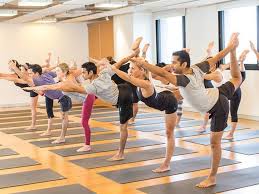
Meta Description:
Learn essential yoga etiquette every yogi should know—from studio behavior and class preparation to mindfulness, respect, and community values. This complete guide helps beginners and experienced practitioners create a positive, respectful yoga environment.
Introduction: Why Yoga Etiquette Matters
Yoga is much more than physical exercise—it is a holistic practice rooted in mindfulness, respect, and self-awareness. While many people focus on learning poses, breathing techniques, and flexibility, understanding yoga etiquette is equally important. Yoga etiquette refers to the unwritten rules and mindful behaviors that create a supportive, calm, and respectful environment for everyone in a yoga class or shared practice space.
Whether you are a beginner stepping onto the mat for the first time or a seasoned yogi with years of experience, knowing proper yoga etiquette helps foster harmony between students and teachers. It ensures that yoga studios remain safe, inclusive, and spiritually aligned spaces. From arriving on time and maintaining personal hygiene to respecting silence and honoring personal boundaries, yoga etiquette encourages mindfulness both on and off the mat.
In this comprehensive guide, we’ll explore everything you need to know about yoga etiquette—studio rules, mat behavior, teacher-student respect, digital etiquette for online yoga, and how to embody yogic values in daily life. By understanding and practicing proper yoga etiquette, you deepen your practice and contribute positively to the yoga community.
Understanding the Philosophy Behind Yoga Etiquette
Yoga etiquette is deeply connected to the philosophical roots of yoga. Traditional yoga teachings emphasize principles such as Ahimsa (non-violence), Satya (truthfulness), Asteya (non-stealing), Brahmacharya (moderation), and Aparigraha (non-possessiveness). These ethical guidelines, known as the Yamas, shape how practitioners interact with others and themselves.
When you follow yoga etiquette, you are essentially practicing these principles in action. For example, avoiding distractions during class demonstrates respect (Ahimsa), while sharing space and props mindfully reflects non-possessiveness (Aparigraha). Etiquette ensures that yoga remains a collective experience rooted in compassion and awareness rather than competition or ego.
Understanding this philosophical foundation helps yogis approach etiquette not as a set of rigid rules, but as conscious choices that support unity, presence, and balance.
Preparing for a Yoga Class: Etiquette Before You Arrive
Arrive on Time
One of the most fundamental rules of yoga etiquette is punctuality. Arriving late can disrupt the class, break the instructor’s flow, and distract fellow yogis who are already settled into a meditative state. Try to arrive 10–15 minutes early so you can check in, set up your mat, and mentally prepare.
If you do arrive late, enter quietly, choose a spot near the door, and avoid stepping in front of others’ mats.
Maintain Personal Hygiene
Yoga involves close proximity and deep breathing, making personal hygiene essential. Shower before class if needed, wear clean clothes, and avoid strong perfumes or colognes. Heavy scents can be distracting or trigger allergies for others.
Trim nails, tie back long hair, and consider bringing a towel if you sweat heavily. Cleanliness is a sign of respect for both yourself and the community.
Dress Appropriately
Wear comfortable, modest yoga attire that allows free movement without being revealing or restrictive. Proper yoga clothing prevents distractions and helps you focus on your practice. Avoid noisy accessories such as bangles or dangling jewelry that could interrupt the calm environment.
Yoga Studio Etiquette: Respecting Shared Spaces
Keep Silence in the Practice Area
Most yoga studios encourage silence or quiet conversation before class. This helps maintain a peaceful atmosphere and allows students to mentally transition into their practice. Save social conversations for outside the studio or designated lounge areas.
Silence Your Phone
Before stepping onto your mat, silence or turn off your phone. Notifications, vibrations, or phone screens can disrupt concentration and break the meditative flow of the class. If you must keep your phone for emergencies, inform the instructor beforehand and keep it on silent.
Respect Studio Rules
Every yoga studio has its own guidelines regarding check-in, props, footwear, and class structure. Always remove shoes at the designated area, return props after use, and follow studio-specific policies. Respecting these rules shows gratitude for the space and those who maintain it.
Proper Yoga Mat Etiquette
Choose Your Spot Mindfully
Avoid placing your mat too close to others unless space is limited. Leave enough room for movements like arm extensions or wide-legged poses. Be mindful of sightlines—don’t block mirrors if others rely on them for alignment.
Stay on Your Mat
Your mat is your personal practice space. Avoid stepping on others’ mats, as this is considered disrespectful. Be aware of where your feet, hands, and belongings are at all times.
Keep Your Area Clean
Wipe down your mat after class, especially in hot or sweaty sessions. A clean practice area is essential for hygiene and reflects mindfulness. Many studios provide cleaning sprays—use them generously.
During Class: Yoga Etiquette on the Mat
Follow the Teacher’s Guidance
While yoga encourages self-awareness, following the instructor’s sequence and cues supports the collective flow of the class. If you need modifications, take them quietly without disrupting others.
Avoid Comparisons and Competition
Yoga is a personal journey. Comparing your practice to others can lead to frustration or injury. Respect yoga etiquette by focusing inward and honoring your body’s limits.
Breathe Mindfully
Breathing techniques are central to yoga, but excessively loud breathing (unless guided, such as in specific pranayama practices) can distract others. Aim for steady, controlled breath awareness.
Limit Unnecessary Movement
Fidgeting, adjusting clothing repeatedly, or leaving the mat frequently can disrupt the energy of the class. If you need to exit early, inform the instructor beforehand and leave quietly before final relaxation.
Respecting the Instructor: Teacher-Student Etiquette
Listen and Be Present
Show respect by paying attention to instructions and not engaging in side conversations during class. Teachers dedicate significant time and energy to guide students—presence is a form of gratitude.
Avoid Correcting Others
Unless you are the instructor, refrain from correcting another student’s posture or form. Unsolicited advice can cause discomfort or injury. Trust the teacher to provide guidance.
Communicate Health Concerns
If you have injuries, medical conditions, or are pregnant, inform the instructor before class. This helps them offer appropriate modifications and ensures your safety.
Yoga Etiquette in Group and Community Settings
Be Inclusive and Non-Judgmental
Yoga is for everyone, regardless of age, gender, flexibility, or experience level. Avoid judgmental attitudes and embrace inclusivity. Smile, be kind, and welcome newcomers.
Share Props and Space
In crowded classes, be willing to share props or adjust your space. Practicing generosity and adaptability reflects yogic values.
Respect Cultural and Spiritual Aspects
Yoga has deep cultural and spiritual roots. Be mindful when chanting, using Sanskrit terms, or participating in rituals. Treat these practices with respect rather than novelty.
Online and Home Practice Yoga Etiquette
With the rise of virtual yoga classes, etiquette has extended into digital spaces.
Create a Quiet Environment
Choose a calm, clutter-free area for online practice. Inform household members and reduce background noise to stay focused.
Dress and Act Respectfully
Even at home, dress appropriately and act as though you are in a studio. This mindset enhances discipline and respect for the teacher and practice.
Mute When Necessary
Keep your microphone muted unless interaction is encouraged. This prevents distractions and ensures a smooth class experience for everyone.
Common Yoga Etiquette Mistakes to Avoid
Many etiquette issues arise unintentionally. Common mistakes include arriving late, talking during class, using phones, pushing beyond physical limits, or leaving without cleaning up. Awareness is key—observe the environment, follow cues, and learn continuously.
Remember, yoga etiquette is not about perfection but intention. Mistakes happen, and mindfulness allows growth.
Applying Yoga Etiquette Off the Mat
Yoga etiquette doesn’t end when class does. Carry the principles into daily life—practice patience, kindness, honesty, and respect in your interactions. The way you treat colleagues, family, and even strangers can reflect your yogic practice.
By embodying yoga etiquette off the mat, you align more deeply with the transformative purpose of yoga.
Benefits of Practicing Proper Yoga Etiquette
Following yoga etiquette enhances your experience in multiple ways. It creates a calm and safe environment, improves concentration, deepens mindfulness, and strengthens community bonds. It also cultivates humility, discipline, and gratitude—qualities that enrich both yoga practice and everyday life.
Frequently Asked Questions About Yoga Etiquette
Is yoga etiquette mandatory for beginners?
While beginners are not expected to know everything, basic awareness and willingness to learn go a long way. Most studios and instructors are welcoming and understanding.
What should I do if someone else breaks etiquette?
Maintain focus on your own practice. If necessary, inform the instructor privately after class rather than confronting others directly.
Can I practice yoga etiquette at home?
Absolutely. Mindfulness, respect, and discipline can be practiced anywhere, making yoga etiquette relevant even in solo sessions.
Conclusion: Embracing Yoga Etiquette as a Way of Life
Yoga etiquette is an essential but often overlooked aspect of the practice. It goes beyond simple rules and reflects the deeper values of mindfulness, respect, and unity that yoga teaches. By understanding and practicing proper yoga etiquette, every yogi—beginner or advanced—helps create a supportive and harmonious environment where growth and transformation can thrive.
When you step onto your mat with awareness, consideration, and humility, you honor not only yourself but the entire yoga community. In doing so, yoga becomes more than a physical routine—it becomes a conscious way of life.