 By DailyYogafactsblog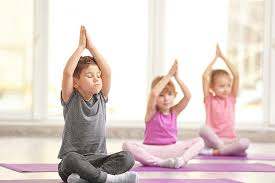
In a world filled with screens, busy schedules, and academic pressure, children today experience stress and overstimulation at a surprisingly young age. Parents and educators are increasingly looking for healthy, engaging activities that support children’s physical development while also nurturing emotional balance and mental focus. Kids yoga offers a joyful and effective solution.
Unlike adult yoga, kids yoga is playful, imaginative, and filled with movement, storytelling, and fun. It supports healthy growth, improves coordination, and helps children learn how to relax and manage their emotions. This article explores the importance of kids yoga, its many benefits, and a variety of fun yoga poses designed especially for children.
What Is Kids Yoga?
Kids yoga is a child-friendly version of traditional yoga that blends physical poses, breathing exercises, mindfulness, and creative play. It focuses less on perfection and more on exploration, imagination, and enjoyment.
In kids yoga, poses are often inspired by animals, nature, or everyday actions, making them easy to understand and exciting to practice. The goal is not flexibility or strength alone, but overall well-being, confidence, and self-awareness.
Kids yoga can be practiced at home, in schools, or in group classes, making it accessible to children of all ages.
Why Yoga Is Important for Children
Children’s bodies and minds are constantly developing. Yoga helps support this development by encouraging healthy movement, focus, and emotional awareness.
Regular yoga practice:
- Strengthens growing muscles and bones
- Improves balance and coordination
- Encourages flexibility and posture
- Supports emotional regulation
- Builds concentration and listening skills
Yoga also teaches children important life skills such as patience, kindness, and self-control in a gentle, age-appropriate way.
Physical Benefits of Yoga for Kids
Kids naturally love to move, and yoga provides a safe and structured way for them to do so. It enhances physical fitness without competition or pressure.
Yoga improves:
- Gross motor skills
- Muscle strength and endurance
- Body awareness
- Balance and coordination
- Flexibility and joint mobility
These physical benefits support healthy growth and help children feel strong and capable in their bodies.
Mental and Emotional Benefits of Kids Yoga
Yoga supports emotional health by teaching children how to recognize and manage their feelings. Through breathing and relaxation, children learn how to calm themselves when they feel upset, anxious, or overwhelmed.
Mental and emotional benefits include:
- Reduced stress and anxiety
- Improved focus and attention
- Better emotional regulation
- Increased self-confidence
- Enhanced self-awareness
These skills are especially valuable in school and social settings.
Kids Yoga and Mindfulness
Mindfulness is the practice of paying attention to the present moment without judgment. Kids yoga introduces mindfulness in a fun and accessible way.
By focusing on breathing, movement, and imagination, children learn to stay present and aware. This helps them develop stronger concentration and emotional intelligence.
Mindfulness through yoga also encourages kindness toward oneself and others.
How Kids Yoga Supports Learning and Academic Performance
Physical movement and mindfulness have a positive impact on learning. Yoga helps children improve focus, memory, and listening skills.
Yoga breaks during school time can:
- Increase attention span
- Reduce restlessness
- Improve classroom behavior
- Enhance creativity
Many schools now include yoga as part of their wellness and physical education programs.
The Importance of Play in Kids Yoga
Play is at the heart of kids yoga. Children learn best when they are having fun, and yoga naturally lends itself to playful exploration.
Using stories, animal movements, songs, and games keeps children engaged and motivated. Playful yoga encourages creativity and imagination while supporting physical and emotional development.
Age-Appropriate Yoga for Children
Kids yoga should always be tailored to age and developmental stage.
- Toddlers benefit from simple movements, songs, and imitation.
- Preschoolers enjoy storytelling and animal poses.
- School-age children can practice longer sequences and basic breathing exercises.
- Preteens benefit from yoga that builds confidence and self-awareness.
Keeping activities age-appropriate ensures safety and enjoyment.
Fun Yoga Poses for Children
Yoga poses for kids are often named after animals, shapes, or objects they already recognize. These fun poses encourage participation and imagination.
Mountain Pose (Standing Tall Pose)
Mountain Pose teaches children to stand strong and grounded. They imagine themselves as tall mountains, helping improve posture and balance.
This pose encourages body awareness and confidence.
Tree Pose
In Tree Pose, children pretend to be trees growing in the forest. This pose improves balance, focus, and leg strength.
Wobbling is part of the fun and teaches children patience and perseverance.
Cat and Cow Poses
These poses involve gentle movement of the spine while pretending to be a cat and a cow. Children love making animal sounds while practicing these poses.
Cat and Cow improve spinal flexibility and coordination while encouraging creativity.
Downward Dog
Children pretend to be playful dogs stretching their bodies. This pose strengthens the arms and legs and improves circulation.
Downward Dog also helps release extra energy and improve focus.
Cobra Pose
In Cobra Pose, kids pretend to be snakes lifting their heads. This pose strengthens the back and improves posture.
It encourages children to open their chest and breathe deeply.
Butterfly Pose
Butterfly Pose involves sitting with the soles of the feet together and gently flapping the knees like butterfly wings.
This pose stretches the hips and helps children relax and slow down.
Child’s Pose
Child’s Pose is a resting pose that helps children calm their bodies and minds. They curl up like a cozy ball or a sleeping animal.
This pose is excellent for relaxation and emotional regulation.
Star Pose
Star Pose encourages children to stretch their arms and legs wide, imagining themselves as shining stars.
It builds body awareness, balance, and confidence while allowing children to release energy.
Breathing Exercises for Kids
Breathing exercises teach children how to manage their emotions and calm their nervous system.
Simple breathing activities include:
- Belly breathing with hands on the stomach
- Pretending to blow up a balloon
- Slow counting breaths
These playful techniques make breathing exercises fun and easy to understand.
Relaxation and Rest in Kids Yoga
Rest and relaxation are essential parts of kids yoga. Children often resist being still, but gentle relaxation teaches them how to slow down.
Short relaxation sessions help children:
- Calm their minds
- Improve sleep quality
- Develop self-soothing skills
Guided imagery, soft music, or storytelling can make relaxation enjoyable.
Yoga and Emotional Intelligence in Children
Yoga helps children recognize and express their emotions in healthy ways. Through movement and breath, they learn that feelings can change and be managed.
Yoga builds emotional intelligence by encouraging self-awareness, empathy, and emotional balance.
Kids Yoga at Home
Practicing yoga at home helps strengthen the parent-child bond. Families can practice together, making yoga a shared experience.
At home, yoga sessions can be short, playful, and flexible. There is no pressure to be perfect—fun and connection are the main goals.
Kids Yoga in Schools
Many schools incorporate yoga into the classroom or physical education programs. School-based yoga supports student well-being and classroom behavior.
Yoga breaks during the day help children reset, refocus, and regulate emotions.
Safety Tips for Practicing Kids Yoga
Safety is important in kids yoga. Always encourage children to move at their own pace and avoid forcing any pose.
Tips for safe practice include:
- Using a non-slip surface
- Wearing comfortable clothing
- Supervising children during practice
- Encouraging breaks when needed
Listening to the body is an essential lesson in kids yoga.
How Often Should Children Practice Yoga
Even short yoga sessions offer benefits. Practicing yoga two to three times per week is ideal, but daily movement is encouraged.
Sessions can range from 10 to 30 minutes depending on age and attention span.
Consistency helps children build healthy habits over time.
Yoga for Special Needs Children
Kids yoga can be adapted for children with special needs. Gentle movements, visual cues, and a supportive environment make yoga accessible to all children.
Yoga encourages inclusion, patience, and acceptance, creating a safe space for every child to participate.
Common Myths About Kids Yoga
Some parents believe yoga is too slow or boring for children. In reality, kids yoga is energetic, imaginative, and fun.
Another myth is that yoga requires flexibility. Kids yoga focuses on movement, play, and awareness, not performance.
Understanding these myths helps parents feel more confident introducing yoga to children.
Long-Term Benefits of Kids Yoga
With regular practice, kids yoga can:
- Improve physical fitness
- Enhance emotional resilience
- Support focus and learning
- Build confidence and self-esteem
- Encourage healthy lifestyle habits
These benefits extend into adolescence and adulthood.
Creating a Positive Yoga Experience for Children
A positive experience is key to keeping children engaged. Encouragement, creativity, and patience help children develop a lifelong love for movement and mindfulness.
Celebrating effort rather than perfection builds confidence and motivation.
Integrating Yoga into Daily Life for Kids
Yoga doesn’t have to be limited to formal practice. Stretching, breathing, and mindful moments can be included throughout the day.
Simple practices help children stay calm, focused, and balanced in everyday situations.
Conclusion: Growing Strong and Calm with Kids Yoga
Kids yoga is more than just exercise—it is a joyful journey that supports physical health, emotional balance, and mental growth. Through fun poses, playful movement, and gentle breathing, yoga helps children connect with their bodies and emotions in positive ways.
By introducing yoga at a young age, we give children tools that last a lifetime—tools for movement, mindfulness, confidence, and inner calm. Whether practiced at home, school, or in a studio, kids yoga helps children grow into strong, balanced, and resilient individuals—one joyful pose at a time.