 By DailyYogafactsblog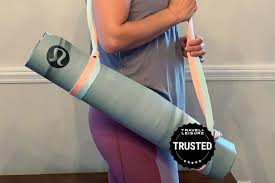
Yoga is one of the most accessible and versatile forms of exercise in the world. It can be practiced anywhere—at home, in a studio, outdoors, or even while traveling. As yoga grows in popularity, beginners often ask a simple but important question: Do you really need a yoga mat to practice yoga?
The answer is not as straightforward as a simple yes or no. While yoga mats are widely used and highly recommended, their necessity depends on several factors, including your yoga style, environment, experience level, and personal comfort.
In this in-depth guide, we’ll explore everything you need to know about yoga mats—their purpose, benefits, alternatives, how to choose the right one, and whether you truly need one to practice yoga effectively and safely.
What Is a Yoga Mat?
A yoga mat is a specially designed, cushioned, and non-slip surface used to support yoga practice. It provides grip, stability, and comfort during poses and movements.
Yoga mats come in a variety of materials, thicknesses, textures, and sizes, each designed to support different needs and yoga styles. Over time, the yoga mat has become a symbol of personal practice and commitment to wellness.
Why Yoga Mats Were Created
Yoga has ancient roots, and traditional practitioners in India originally practiced on natural surfaces such as grass, soil, or animal skins. As yoga spread globally and moved into modern indoor environments, the need for a supportive surface became clear.
Hard floors, slippery tiles, and wooden surfaces presented challenges. The yoga mat was created to solve these problems by offering traction, cushioning, and hygiene.
The Main Purpose of a Yoga Mat
The primary role of a yoga mat is to create a safe, stable, and comfortable foundation for your practice.
A yoga mat helps by:
- Preventing slips and falls
- Cushioning joints and pressure points
- Supporting balance and alignment
- Creating a personal practice space
- Improving overall comfort
While yoga can technically be practiced without a mat, these benefits make a strong case for using one.
Do Beginners Need a Yoga Mat?
For beginners, a yoga mat is highly recommended. When learning new poses, balance, and alignment, stability is essential.
A mat provides grip so your hands and feet don’t slide, especially during weight-bearing poses. It also cushions sensitive joints like knees, wrists, and elbows, making practice more comfortable and less intimidating.
Having a mat also creates a mental association with yoga, helping beginners build consistency and routine.
Do You Need a Yoga Mat for All Types of Yoga?
Not all yoga styles have the same physical demands. Some styles benefit more from a mat than others.
Yoga Styles That Strongly Benefit from a Mat
- Vinyasa Yoga
- Power Yoga
- Ashtanga Yoga
- Hot Yoga
- Hatha Yoga
These styles involve standing poses, transitions, and floor work where grip and cushioning are essential.
Yoga Styles That May Not Require a Mat
- Yin Yoga
- Restorative Yoga
- Chair Yoga
- Yoga Nidra
In slower styles focused on relaxation, blankets or rugs may sometimes replace a mat, although many practitioners still prefer one.
Benefits of Using a Yoga Mat
A yoga mat enhances both physical and mental aspects of practice.
Improved Grip and Stability
One of the biggest benefits of a yoga mat is traction. It prevents hands and feet from slipping, especially during sweaty or dynamic sessions.
Joint Protection and Comfort
Yoga involves kneeling, sitting, and lying on the floor. A mat cushions pressure points and reduces strain on joints and the spine.
Better Alignment and Balance
A stable surface helps maintain proper posture and alignment, reducing the risk of injury.
Hygiene and Personal Space
Using your own mat creates a clean space for practice and reduces contact with shared surfaces, especially in studios.
Mental Focus and Consistency
Rolling out a yoga mat signals the start of practice, helping shift the mind into a focused, mindful state.
Can You Practice Yoga Without a Mat?
Yes, yoga can be practiced without a mat—but with limitations.
Practicing without a mat may work if:
- You are practicing outdoors on grass or sand
- You are doing gentle or seated yoga
- You have a carpeted floor
However, without a mat, you may experience slipping, discomfort, or reduced stability, particularly during standing poses.
Yoga Mat Alternatives
If you don’t have a yoga mat, several alternatives can be used temporarily.
Towels
A thick towel provides some cushioning but lacks grip and stability.
Carpet or Rug
Carpets offer cushioning but may stretch or move during poses.
Blankets
Useful for seated or restorative poses but not ideal for standing yoga.
Bare Floor
Practicing directly on the floor increases the risk of slipping and joint discomfort.
While these alternatives work in some situations, they are not ideal substitutes for long-term practice.
Yoga Mats and Injury Prevention
Safety is a major reason yoga mats are recommended.
A quality yoga mat reduces:
- Slips during transitions
- Strain on knees and wrists
- Pressure on the spine and tailbone
For people with joint sensitivity or previous injuries, a yoga mat can make a significant difference in comfort and safety.
Types of Yoga Mats Explained
Yoga mats vary widely. Understanding the differences helps you make an informed choice.
Standard Yoga Mats
These are about 4–5 mm thick and suitable for most practices.
Thick Yoga Mats
Thicker mats provide extra cushioning and are ideal for beginners or joint sensitivity.
Thin Travel Mats
Lightweight and portable, designed for travel rather than long sessions.
Eco-Friendly Yoga Mats
Made from natural rubber, cork, or jute, ideal for environmentally conscious practitioners.
Yoga Mat Materials and Their Benefits
Different materials affect grip, durability, and sustainability.
- PVC: Durable and affordable but less eco-friendly
- Natural Rubber: Excellent grip and eco-friendly
- TPE: Lightweight and recyclable
- Cork: Naturally antimicrobial and non-slip
- Jute: Textured and natural
Choosing the right material depends on priorities like grip, comfort, and environmental impact.
Yoga Mat Thickness: Does It Matter?
Yes, thickness significantly affects comfort and stability.
- Thin mats offer better balance for standing poses
- Thick mats offer cushioning for knees and joints
Most practitioners find a medium-thickness mat offers the best balance.
Yoga Mats for Different Body Types
Body size and weight influence mat choice.
Heavier practitioners may prefer denser mats for durability. Taller individuals should look for longer mats to support full-body stretches.
Comfort and proper coverage improve overall practice quality.
Yoga Mats for Hot Yoga and Sweat
Hot yoga requires special consideration. Sweat can make mats slippery unless they are designed for moisture grip.
Non-slip mats or towel overlays are commonly used in hot yoga to maintain traction.
Is a Yoga Mat Necessary for Home Practice?
While practicing yoga at home gives flexibility, a mat is still beneficial. Home floors are often hard or slippery, and a mat provides consistency and comfort.
Having a dedicated mat also helps create a routine and personal yoga space at home.
Yoga Mats and Studio Etiquette
In yoga studios, bringing your own mat is standard practice. While studios may offer rental mats, personal mats are more hygienic and comfortable.
Your mat also reflects your commitment and personal style.
How Often Should You Replace a Yoga Mat?
Yoga mats wear out over time. Signs it’s time for a replacement include:
- Loss of grip
- Peeling or cracking
- Persistent odor
Regular practice may require replacing a mat every one to two years
Cleaning and Maintaining Your Yoga Mat
Proper cleaning extends the life of your mat.
Basic care tips:
- Wipe down after use
- Deep clean weekly
- Let it dry fully before rolling
A clean mat improves hygiene and performance.
Do Advanced Yogis Need a Yoga Mat?
Even experienced practitioners rely on yoga mats. Advanced poses place greater demands on grip, balance, and joint support.
Many advanced yogis invest in high-quality mats that match their practice style.
Minimalist Yoga: Less Equipment, Same Benefits
Some yogis prefer a minimalist approach. While yoga doesn’t require expensive gear, a mat remains one of the most practical and helpful tools.
Minimalism doesn’t mean discomfort—it means choosing essentials that enhance experience.
Psychological Benefits of Using a Yoga Mat
A yoga mat is more than a physical tool. It becomes a personal sanctuary.
Rolling out a mat creates a ritual, separating practice time from daily distractions. This mental cue supports consistency, focus, and mindfulness.
Do You Need a Yoga Mat to Start Yoga?
Technically, no—but practically, yes.
While yoga can be practiced anywhere, a mat removes many barriers that beginners face, making practice safer, more comfortable, and more enjoyable.
A yoga mat is one of the simplest investments you can make in your wellness journey.
Choosing the Right Yoga Mat for You
The best yoga mat is one that suits your body, practice style, and environment.
Consider:
- Type of yoga you practice
- Comfort and joint sensitivity
- Grip and stability needs
- Sustainability preferences
There is no one-size-fits-all mat, but the right one enhances your experience.
Common Myths About Yoga Mats
Some believe yoga mats are only for advanced yogis or studio classes. Others think they are unnecessary accessories.
In reality, yoga mats support safety, comfort, and consistency for practitioners of all levels.
Final Verdict: Do You Really Need a Yoga Mat?
While yoga is about inner awareness and movement, the surface you practice on matters. A yoga mat is not mandatory, but it significantly enhances safety, comfort, and focus.
For beginners and experienced practitioners alike, a yoga mat offers stability, protection, and a sense of personal space that elevates the entire practice.
Conclusion
So, do you need a yoga mat? If you’re serious about practicing yoga regularly, the answer is yes, it’s highly beneficial. A yoga mat supports your body, protects your joints, and helps you stay balanced—physically and mentally.
Yoga is about connection, awareness, and well-being. A yoga mat doesn’t define your practice, but it can greatly enhance it. Whether you practice at home, in a studio, or outdoors, investing in a good yoga mat is a simple step that supports a safer, more comfortable, and more consistent yoga journey.
Yoga begins where you are—and a yoga mat helps you stay grounded every step of the way 🧘♀️