 By DailyYogafactsblog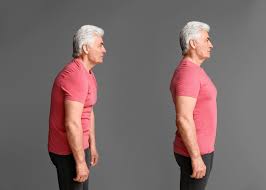
Introduction: Why Posture Matters More Than Ever
In today’s digital world, poor posture has become extremely common. Long hours spent sitting at desks, looking down at phones, and working on computers have led to rounded shoulders, forward head posture, stiff hips, and chronic back pain. Many people accept bad posture as normal, not realizing how deeply it affects overall health.
Good posture is not just about appearance—it impacts breathing, digestion, circulation, joint health, energy levels, and even confidence. Yoga is one of the most effective and sustainable ways to improve posture because it addresses both the physical and mental habits that create misalignment.
This article explores how yoga improves posture, why posture deteriorates, which muscles are involved, and how a regular yoga practice can help you stand, sit, and move with ease.
What Is Posture?
Posture refers to the alignment of the body while sitting, standing, or moving. Good posture means the body is balanced so that muscles and joints experience minimal strain.
Characteristics of Good Posture
- head aligned over shoulders
- shoulders relaxed and open
- spine maintaining its natural curves
- core engaged
- hips stacked over knees and ankles
Yoga focuses on restoring these natural alignments through mindful movement and awareness.
Common Posture Problems in Modern Life
Most posture problems are caused by repetitive habits.
Common Postural Issues
- forward head posture
- rounded shoulders
- hunched upper back
- excessive lower back arch
- tight hip flexors
- weak core muscles
Yoga addresses these issues by strengthening weak muscles and releasing tight ones.
Why Poor Posture Develops Over Time
Poor posture doesn’t happen overnight—it develops gradually due to daily habits.
Main Causes
- prolonged sitting
- lack of movement
- weak postural muscles
- stress and tension
- poor body awareness
Yoga retrains both the body and the brain to recognize and maintain healthy alignment.
The Science Behind Yoga and Postural Alignment
Posture depends on the coordination of muscles, joints, and the nervous system. Yoga improves posture by:
- strengthening deep stabilizing muscles
- improving joint mobility
- increasing proprioception (body awareness)
- correcting muscular imbalances
Research shows yoga improves spinal alignment, reduces chronic pain, and enhances muscular endurance in postural muscles.
How Yoga Improves Posture Naturally
Yoga improves posture through a holistic approach.
1. Strengthens Postural Muscles
Yoga strengthens muscles that support proper posture, including:
- spinal extensors
- deep core muscles
- glutes
- upper back muscles
Strong muscles maintain posture without strain.
2. Releases Tight and Overworked Muscles
Yoga gently stretches muscles shortened by sitting and stress.
Key Muscles Yoga Releases
- hip flexors
- chest muscles
- hamstrings
- neck and shoulders
Balanced flexibility allows the body to return to natural alignment.
3. Improves Spinal Mobility
A stiff spine limits posture correction. Yoga keeps the spine flexible and healthy.
Benefits
- maintains natural spinal curves
- improves circulation to spinal discs
- reduces stiffness
Spinal movements in yoga promote long-term spinal health.
Yoga and Core Strength: The Foundation of Posture
A strong core is essential for good posture.
How Yoga Strengthens the Core
- engages deep abdominal muscles
- improves pelvic stability
- supports the spine
Unlike gym exercises, yoga develops functional core strength used in daily movement.
The Role of Breath in Posture
Breathing deeply supports posture.
How Breath Helps
- activates core muscles
- reduces upper-body tension
- aligns rib cage over pelvis
Yoga teaches proper breathing patterns that naturally support upright posture.
Mindfulness: The Missing Link in Posture Correction
Poor posture is often unconscious. Yoga develops awareness.
Mindfulness Benefits
- improves posture habits
- reduces slouching
- encourages self-correction
By paying attention to the body, yoga makes posture improvement sustainable.
Yoga Poses That Improve Posture
Certain yoga poses specifically target postural muscles.
Standing Poses
- Mountain Pose
- Warrior I & II
- Chair Pose
These poses teach proper alignment and body awareness.
Seated Poses
- Seated Forward Bend (with straight spine)
- Easy Pose with spinal lift
- Seated Twist
These improve sitting posture and spinal mobility.
Back Strengthening Poses
- Cobra Pose
- Locust Pose
- Bridge Pose
They strengthen the upper and lower back.
Chest-Opening Poses
- Camel Pose
- Fish Pose
- Puppy Pose
These counteract slouching and rounded shoulders.
Yoga for Desk Workers and Poor Posture
Desk workers benefit greatly from yoga.
Yoga Helps Desk Workers By
- undoing sitting-related tension
- strengthening weak muscles
- improving ergonomic awareness
Regular yoga reduces posture-related pain significantly.
Yoga vs. Braces and Posture Correctors
Posture devices provide temporary support, but they don’t fix the root problem.
Why Yoga Is Better
- builds natural strength
- improves awareness
- creates lasting change
Yoga teaches the body to support itself.
Yoga and Neck Alignment
Forward head posture is common.
Yoga Helps By
- strengthening neck muscles
- releasing tension
- improving head position awareness
Gentle neck movements reduce strain and stiffness.
Yoga and Shoulder Position
Rounded shoulders contribute to poor posture.
Yoga Corrects This By
- strengthening upper back
- releasing chest tightness
- improving shoulder mobility
Balanced shoulders improve overall alignment.
Yoga for Lower Back Posture
Lower back pain is often posture-related.
Yoga Benefits
- strengthens spinal support muscles
- improves pelvic alignment
- reduces compression
Yoga encourages healthy lumbar curvature.
How Long Does It Take to See Posture Improvement?
Posture improvement is gradual.
What to Expect
- awareness improves in weeks
- strength improves in months
- lasting changes with consistency
Yoga rewards patience and regular practice.
How Often Should You Practice Yoga for Better Posture?
Consistency is key.
Recommended Frequency
- 3–5 sessions per week
- include strength and flexibility
- focus on alignment
Even short daily practice yields benefits.
Yoga for Posture at Different Ages
Yoga adapts to every life stage.
Benefits by Age
- young adults: prevents posture habits
- middle age: corrects imbalances
- seniors: maintains alignment and balance
Yoga grows with you.
Mental and Emotional Impact of Good Posture
Improved posture affects mental well-being.
Psychological Benefits
- increased confidence
- reduced stress
- improved mood
Yoga connects posture with emotional stability.
Posture and Energy Levels
Slouching restricts breathing and circulation.
Yoga Improves Energy By
- opening the chest
- improving oxygen flow
- reducing fatigue
Better posture means better vitality.
Common Mistakes When Using Yoga for Posture
Avoid these:
- forcing alignment
- ignoring pain
- practicing without awareness
- inconsistency
Yoga should feel supportive, not rigid.
Integrating Yoga Posture Awareness Into Daily Life
Yoga helps posture beyond the mat.
Daily Habits Yoga Encourages
- mindful sitting
- conscious standing
- balanced movement
Posture becomes natural over time.
Yoga as a Long-Term Posture Solution
Yoga is not a quick fix.
Why Yoga Works Long-Term
- builds strength gradually
- retrains habits
- adapts to body changes
It offers sustainable posture correction.
Conclusion: Stand Tall With Yoga
Yoga is one of the most effective ways to improve posture because it treats posture as a whole-body and whole-mind practice. By strengthening postural muscles, releasing tension, improving spinal mobility, and developing awareness, yoga restores natural alignment without force.
Good posture is not about holding yourself rigid—it is about moving with balance, ease, and confidence. With regular yoga practice, standing tall becomes effortless, pain decreases, and both body and mind feel more aligned.
Yoga doesn’t just change how you stand—it changes how you carry yourself through life 🧘♀️