 By DailyYogafactsblog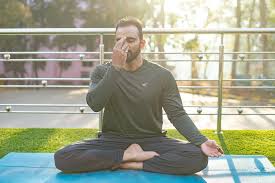
Introduction: Why Breath Is the Heart of Yoga
Breath is the foundation of yoga. Long before yoga postures became popular, ancient yogis focused on controlling the breath to calm the mind, balance the body, and expand awareness. In yoga, breathing is not automatic or unconscious—it is a conscious practice called pranayama, which means the expansion and regulation of life force energy.
Many modern practitioners focus heavily on poses while overlooking the power of breath. Yet without proper breathing, yoga becomes physical exercise rather than a holistic mind-body practice. Breathing techniques improve concentration, reduce stress, increase lung capacity, and support emotional well-being. This article explores the essential breathing techniques every yoga practitioner should know, how they work, and when to practice them for maximum benefit.
What Is Pranayama in Yoga?
Pranayama is the yogic practice of breath regulation. The word comes from two Sanskrit roots:
- Prana – life force or vital energy
- Ayama – expansion or control
Pranayama teaches you how to breathe with awareness, rhythm, and intention. Unlike unconscious breathing, pranayama influences the nervous system, internal organs, and mental state.
Traditional yoga considers breath as the bridge between the body and the mind. When the breath is calm, the mind becomes steady.
Why Breathing Techniques Are Essential in Yoga
Breathing techniques are essential because they affect almost every system in the body.
Benefits of Yogic Breathing
- reduces stress and anxiety
- improves lung capacity
- supports digestion
- balances the nervous system
- enhances focus and clarity
- deepens meditation
- improves posture and movement
Breath control helps practitioners move safely, maintain balance, and experience yoga beyond physical poses.
The Science Behind Breathing and the Nervous System
Modern science supports what yogis discovered centuries ago.
How Breath Affects the Body
- slow breathing activates the parasympathetic nervous system (rest and relax)
- shallow or rapid breathing activates stress responses
- deep breathing lowers heart rate and blood pressure
- controlled breathing improves oxygen delivery
Pranayama helps regulate the vagus nerve, which plays a major role in emotional stability and overall health.
The Relationship Between Breath and Mind
Breath and mind are deeply connected.
- Anxious mind → shallow, fast breathing
- Calm breath → calm mind
Yoga uses breath awareness to interrupt stress patterns and create mental clarity. By learning breathing techniques, you learn how to influence emotions, reactions, and energy levels.
Foundational Yogic Breathing Techniques Everyone Should Learn
1. Diaphragmatic Breathing (Abdominal Breathing)
This is the most basic and essential breathing technique.
What It Is
Breathing deeply into the belly rather than the chest, allowing the diaphragm to expand fully.
Benefits
- reduces stress
- improves oxygen intake
- relaxes muscles
- supports digestion
When to Practice
- during warm-ups
- in relaxation poses
- during meditation
- before sleep
Diaphragmatic breathing is the foundation for all other pranayama practices.
2. Ujjayi Breathing (Victorious Breath)
Ujjayi breathing is commonly used in yoga flows.
What It Is
A slow, controlled breath through the nose with a slight constriction in the throat, creating a soft ocean-like sound.
Benefits
- improves focus
- builds internal heat
- supports endurance
- calms the nervous system
When to Practice
- during vinyasa yoga
- in standing poses
- when holding challenging postures
Ujjayi breathing anchors movement and breath together.
3. Nadi Shodhana (Alternate Nostril Breathing)
One of the most powerful balancing breathing techniques.
What It Is
Breathing alternately through each nostril using the fingers to close one nostril at a time.
Benefits
- balances left and right brain
- reduces anxiety
- improves concentration
- promotes emotional balance
When to Practice
- before meditation
- after a stressful day
- in the morning or evening
Nadi Shodhana is ideal for mental clarity and relaxation.
4. Kapalbhati (Skull-Shining Breath)
A cleansing breathing technique involving forceful exhalations.
What It Is
Rapid, active exhalations followed by passive inhalations using abdominal muscles.
Benefits
- cleanses lungs
- improves digestion
- boosts metabolism
- increases alertness
When to Practice
- in the morning
- on an empty stomach
- before asana practice
Kapalbhati energizes the body and clears stagnant energy.
5. Bhastrika (Bellows Breath)
An energizing breathing technique for vitality.
What It Is
Strong, rhythmic inhalations and exhalations through the nose.
Benefits
- increases oxygen supply
- boosts energy
- strengthens respiratory muscles
- improves circulation
When to Practice
- when feeling sluggish
- before physical activity
- in colder weather
Bhastrika should be practiced mindfully and avoided during illness.
6. Sama Vritti (Equal Breathing)
A calming and stabilizing technique.
What It Is
Inhaling and exhaling for equal counts.
Benefits
- calms mental fluctuations
- improves focus
- stabilizes emotions
- supports meditation
When to Practice
- during stress
- before sleep
- during meditation
Sama Vritti is excellent for emotional balance and mental clarity.
7. Bhramari (Humming Bee Breath)
A deeply soothing practice.
What It Is
Inhaling normally and exhaling slowly while making a humming sound.
Benefits
- reduces anxiety
- relieves anger
- improves concentration
- soothes the nervous system
When to Practice
- before sleep
- during emotional stress
- after a long day
Bhramari is particularly beneficial for calming the mind.
Breath Awareness During Yoga Poses
Breathing should guide movement—not the other way around.
Key Principles
- inhale during expansion
- exhale during folding or effort
- never hold breath unintentionally
- maintain smooth, steady rhythm
Conscious breathing improves stability, flexibility, and safety during poses.
Common Breathing Mistakes in Yoga
Many beginners unknowingly breathe incorrectly.
Mistakes to Avoid
- shallow chest breathing
- holding breath during effort
- breathing too fast
- forcing breath control
Correct breathing should feel natural, smooth, and relaxed.
Breathing Techniques for Stress and Anxiety
Yoga breathing is one of the most effective natural stress relievers.
Best Techniques for Stress Relief
- diaphragmatic breathing
- nadi shodhana
- sama vritti
- bhramari
These practices lower cortisol levels and calm the nervous system.
Breathing Techniques for Energy and Focus
Some breathing methods are stimulating.
Best Techniques for Energy
- kapalbhati
- bhastrika
- ujjayi
These increase alertness, circulation, and vitality.
Breath and Meditation in Yoga
Breathing techniques prepare the mind for meditation.
How Breath Supports Meditation
- reduces mental chatter
- anchors attention
- creates inner stillness
Pranayama is traditionally practiced before meditation to deepen awareness.
How Often Should You Practice Pranayama?
Consistency is more important than duration.
Recommended Practice
- daily for 5–15 minutes
- preferably on an empty stomach
- in a quiet, comfortable space
Even short daily practice produces powerful results.
Who Should Be Cautious With Breathing Techniques
Some breathing practices require care.
Avoid or Modify If You Have
- high blood pressure
- heart conditions
- pregnancy
- respiratory issues
Gentle breathing techniques are safe for most people.
Breath as a Tool for Emotional Regulation
Breathing gives you control during emotional moments.
Benefits
- reduces impulsive reactions
- improves emotional awareness
- increases resilience
Yoga teaches you to breathe through discomfort—physically and emotionally.
Breathing Techniques for Daily Life
Pranayama extends beyond the yoga mat.
Use Breath To
- manage work stress
- calm public anxiety
- improve sleep
- enhance focus
Conscious breathing transforms everyday experiences.
Breath, Balance, and Posture
Proper breathing supports alignment and stability.
How Breath Helps
- stabilizes core muscles
- improves balance
- supports spinal health
Good posture and breath work together naturally.
Building a Sustainable Breathing Practice
Start simple and progress gradually.
Tips for Success
- practice daily
- stay patient
- avoid force
- listen to your body
Pranayama is a lifelong practice, not a performance.
Conclusion: Master the Breath, Transform Your Yoga
Breathing techniques are the essence of yoga. Without breath awareness, yoga remains incomplete. By learning and practicing pranayama, you gain a powerful tool to calm the mind, energize the body, and deepen your connection to yourself.
Whether you are a beginner or an experienced practitioner, breathing techniques transform yoga from physical movement into a holistic practice of balance and awareness. Mastering the breath means mastering the present moment—and that is the true goal of yoga 🧘♂️