 By DailyYogafactsblog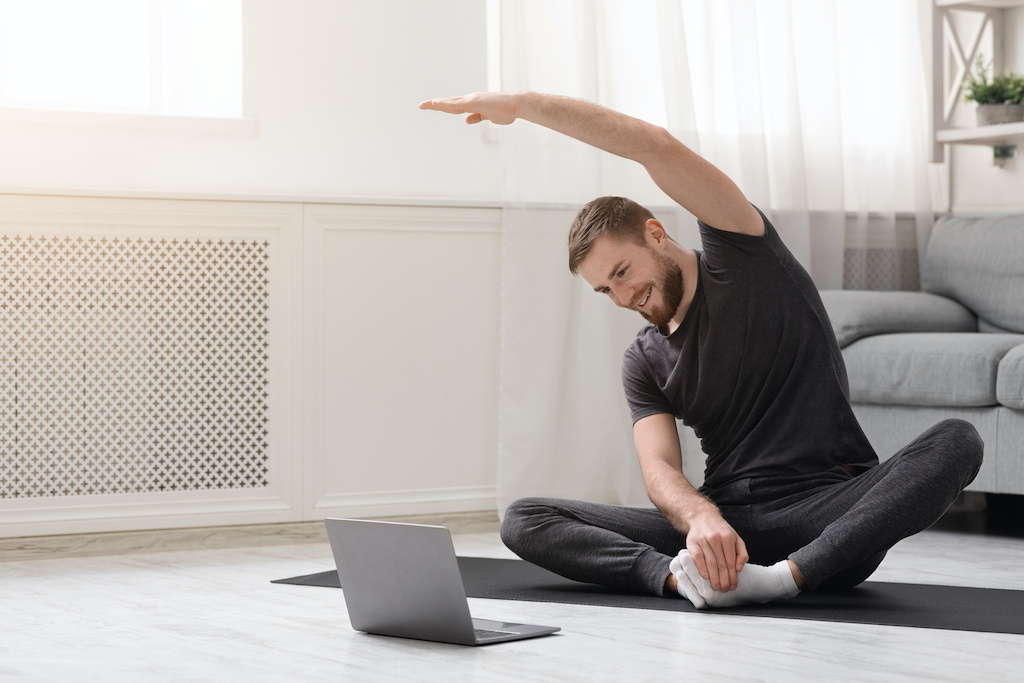
Starting yoga at home is one of the best decisions you can make for your physical and mental well-being. Whether you want to build strength, improve flexibility, relieve stress, or simply cultivate a peaceful daily routine, practicing yoga from the comfort of your home is convenient, flexible, and beginner-friendly. In this comprehensive guide, we will walk you through everything you need to know—from setting up your space to choosing the right poses, routines, and equipment. By the end, you’ll have all the tools and confidence needed to begin your home yoga journey with ease.
What Makes Yoga at Home So Effective?
Practicing yoga at home gives you full control over your environment, schedule, and goals. Many beginners hesitate to join a yoga studio because they feel inexperienced or worry about not keeping up with others. Home practice removes this pressure entirely, allowing you to learn at your own pace. Additionally, home yoga allows you to tune in to your body’s needs and practice whenever you feel the urge—morning, afternoon, or even before bedtime. With no commuting time or class fees, it’s also a budget-friendly way to maintain a consistent wellness routine.
Another key benefit is privacy. You can experiment with new poses, meditation techniques, or breathing exercises without feeling self-conscious. This freedom makes it easier to develop a deeper connection with your body and mind, ultimately helping you gain more from your yoga practice. Over time, the familiar environment of your home becomes a personal sanctuary where you recharge, stretch, and build strength.
How to Set Up the Perfect Yoga Space at Home
Creating a dedicated yoga space at home doesn’t require a lot of room or expensive décor. What matters most is having a quiet, comfortable spot where you can practice without interruptions. Begin by choosing a location with enough space to stretch your arms and legs freely. This could be a corner of your bedroom, living room, or even a balcony or terrace. Natural light is ideal, as it creates a calming atmosphere and helps you feel energized.
Declutter the area so your mind remains relaxed and focused. You may also want to include simple additions like plants, candles, essential oils, or a small speaker for calming music. Keep your yoga mat, blocks, strap, and any other props nearby so your practice is always convenient and accessible. The key is consistency—when you designate a specific place for yoga, your mind quickly associates the space with peace and mindfulness, making it easier to get into the flow every time you practice.
Choosing the Right Yoga Mat and Props
A good yoga mat enhances your practice by providing stability, comfort, and traction. For beginners, a thicker mat—around 6mm—is ideal as it offers more cushioning for your knees and joints. If you tend to sweat or plan to practice more dynamic styles like Vinyasa, choose a mat with a textured grip to prevent slipping.
Yoga props are not mandatory but are incredibly helpful, especially for beginners. Yoga blocks support proper alignment in standing poses, while straps assist with stretching in flexibility-focused poses like seated forward fold or hamstring stretches. A bolster or pillow can help you relax deeply during restorative poses. Having these props at home makes your practice safer, more comfortable, and more enjoyable.
Understanding the Different Types of Yoga for Beginners
Before starting your home yoga routine, it’s important to understand the different yoga styles. Each type offers unique benefits, and exploring them helps you identify what best suits your goals.
1. Hatha Yoga
Hatha yoga is perfect for beginners because it focuses on slow, mindful movements and deep breathing. It introduces foundational poses and helps improve balance and flexibility. This style is ideal if you want a gentle, relaxing practice.
2. Vinyasa Yoga
Vinyasa is a dynamic, flow-based style where movements sync with breath. It’s slightly more intense and great for building strength, stamina, and flexibility. Practicing Vinyasa at home helps you stay active, burn calories, and maintain a toned body.
3. Yin Yoga
Yin yoga involves long-held passive stretches targeting deep connective tissues. It’s excellent for improving flexibility, reducing stress, and calming the nervous system. If you have a busy or stressful schedule, incorporating Yin yoga can bring balance to your routine.
4. Restorative Yoga
Restorative yoga focuses on relaxation and recovery. Poses are supported with props and held for several minutes. This style is ideal before bedtime or whenever you need deep rest.
5. Ashtanga Yoga
Ashtanga is a disciplined, structured practice with a specific sequence of poses. It is more physically demanding, so beginners may want to build foundational strength before attempting full sequences.
Understanding these types allows you to mix styles depending on how you feel each day. Some days you may prefer a slow Hatha session, while other days you might enjoy a more energetic Vinyasa flow.
How to Build a Consistent Home Yoga Routine
Creating a consistent routine is one of the biggest challenges for beginners. Without a studio schedule or instructor guiding you, it’s easy to skip sessions. However, building consistency is simpler when you start small and focus on manageable goals.
Begin with just 10 to 15 minutes a day. As you grow more comfortable, increase your practice time to 20, 30, or even 45 minutes. Choose a specific time of day—morning for energy or evening for relaxation—and stick to it. Setting reminders or placing your yoga mat in sight helps reinforce the habit.
Additionally, plan your weekly routine in advance. For example:
- Monday: Beginner strength & balance flow
- Wednesday: Flexibility sequence
- Friday: Restorative or Yin session
- Sunday: 30-minute full-body flow
Tracking your progress in a journal helps you stay motivated, as you’ll notice improvements in flexibility, strength, and mood over time.
Warm-Up Poses for a Safe Home Practice
Warming up is essential before diving into more complex stretches or flows. A proper warm-up prepares your muscles, reduces injury risk, and improves circulation. Begin with simple movements such as shoulder rolls, neck stretches, and gentle twists. Cat-Cow pose is excellent for waking up the spine, while Downward Dog stretches the hamstrings, calves, and shoulders.
Taking even two to three minutes to warm up enhances your practice significantly. As a beginner, never skip this step, especially when practicing at home without an instructor to guide your form.
Beginner-Friendly Yoga Poses to Practice at Home
Here are some essential beginner yoga poses perfect for at-home practice:
1. Mountain Pose (Tadasana)
Mountain Pose seems simple, but it teaches alignment and grounding. Stand tall with your feet together, engage your core, and relax your shoulders. This pose sets the foundation for many standing poses.
2. Downward-Facing Dog (Adho Mukha Svanasana)
This iconic pose stretches your shoulders, hamstrings, and calves while strengthening your arms. It also improves circulation and energizes the body.
3. Child’s Pose (Balasana)
A relaxing, restorative pose perfect for rest breaks. It gently stretches the lower back, hips, and thighs while calming the mind.
4. Warrior I & II (Virabhadrasana I & II)
These powerful poses build lower body strength, improve balance, and boost confidence. They’re excellent for beginners who want to build stamina.
5. Tree Pose (Vrikshasana)
A fundamental balancing pose that strengthens your core and improves concentration. It’s ideal for practicing mindfulness and focus.
6. Cobra Pose (Bhujangasana)
This backbend stretches your chest and spine while strengthening your back muscles. It’s especially helpful for people who sit for long hours.
7. Seated Forward Fold (Paschimottanasana)
A calming stretch for the hamstrings and lower back. Use a yoga strap if you’re not flexible enough to reach your feet.
A Complete 20-Minute Beginner Yoga Sequence at Home
Below is a simple yet effective sequence you can practice anytime:
- Mountain Pose – 1 minute
- Forward Fold – 30 seconds
- Halfway Lift – 30 seconds
- Downward Dog – 1 minute
- Cat-Cow – 1 minute
- Warrior I – 1 minute each side
- Warrior II – 1 minute each side
- Tree Pose – 45 seconds each side
- Seated Forward Fold – 2 minutes
- Cobra Pose – 45 seconds
- Child’s Pose – 2 minutes
- Final Relaxation (Savasana) – 3 minutes
Practicing this routine regularly can help you build a strong foundation and gradually prepare you for more advanced flows.
How to Avoid Common Beginner Mistakes
Many beginners make similar mistakes when practicing yoga at home, such as pushing too hard, copying advanced poses from social media, or skipping warm-ups. The most important thing to remember is that yoga is not a competition. You should listen to your body and never force a stretch or pose.
Maintain proper alignment by watching tutorial videos or using a mirror. Start with beginner classes, and don’t attempt advanced poses like headstands or deep backbends until you build adequate strength and flexibility. Always move with intention and breathe deeply. Breathwork is as important as the poses themselves—it helps you stay calm, focused, and connected to your practice.
Using Online Resources to Enhance Your Home Practice
One of the greatest advantages of practicing yoga at home today is the abundance of online resources. YouTube is filled with free beginner yoga classes that guide you step-by-step. Apps like Down Dog, Daily Yoga, and Yoga for Beginners offer personalized routines based on your goals.
If you prefer structured learning, online yoga courses or membership platforms provide multi-level programs that help you progress gradually. Guided sessions from experienced instructors also reduce your risk of practicing with poor form.
Breathing Techniques Every Beginner Should Learn
Breathing, or pranayama, is a fundamental part of yoga. It enhances focus, reduces stress, and supports physical poses. Here are two essential beginner-friendly breathing techniques:
1. Diaphragmatic Breathing
Also known as belly breathing, this technique encourages deep, slow breaths. Place a hand on your belly, inhale through your nose, and feel your abdomen rise. Exhale gently. This calms your nervous system and prepares your mind for practice.
2. Ujjayi Breath
Known as “ocean breath,” this technique warms your body from the inside. Slightly constrict your throat as you inhale and exhale through your nose, creating a soft, wave-like sound. It’s commonly used in Vinyasa practices.
How to Stay Motivated in Your Home Yoga Journey
Staying consistent can be challenging, but motivation grows when you start seeing results. Track your progress by noting improvements in flexibility, strength, or stress levels. Celebrate small milestones, such as holding a pose longer or waking up early to practice.
Consider joining online yoga communities or following yoga challenges to stay inspired. Personalize your practice by creating playlists, lighting candles, or practicing at sunrise or sunset. Most importantly, enjoy the journey—yoga is about inner growth, not perfection.
Final Thoughts: Your Journey Begins Today
Starting yoga at home is a rewarding decision that transforms your body, mind, and lifestyle. With the right setup, mindset, and routine, you can build a sustainable practice that fits seamlessly into your daily life. Take your time, listen to your body, and allow your yoga practice to evolve naturally. Whether you aim to relieve stress, stay active, or embark on a deeper spiritual journey, yoga is a companion that will support you every step of the way.